Real Estate & Lifestyle Posts in WNC

June 7, 2026

Living in Glenville, NC: The Complete Guide to Lake Glenville (2026)

Living in Glenville, NC: The Complete Guide to Lake Glenville (2026)

By Jon Tharp, Broker  ·  June 7, 2026

Quick Answer: Glenville is a small unincorporated community of about 155 year-round residents in Jackson County, North Carolina, wrapped around Lake Glenville, the highest major lake east of the Mississippi River at roughly 3,494 feet. It sits on NC-107 about five miles north of Cashiers, and its market is built on the lake: inexpensive land and lake-view lots at one end, premium lakefront estates well into the millions at the other. Because Glenville is unincorporated, buyers pay no town property tax, only the Jackson County rate plus a small fire-district levy.

Glenville at a Glance

Year-round population About 155 (2020 Census); heavily seasonal and second-home
The lake Lake Glenville, ~1,470 acres, 26 miles of shoreline, the highest major lake east of the Mississippi
Elevation Community ~3,500 ft; lake surface ~3,494 ft
Median home price ~$319,000 sold over the past year; mean ~$665,000 (lakefront estates pull it up, to $4.4M+); active median list ~$239,500, up to $7.65M (as of June 2026)
On NC-107 ~5 miles north of Cashiers; ~18 miles south of Sylva
Property tax Jackson County $0.31 per $100 (2025-26), no town tax (unincorporated), plus a small Cashiers-Glenville fire-district levy
Locally famous for Lake Glenville, boat-access waterfalls, and cool-summer high-elevation lake living

What is it actually like to live in Glenville?

Living in Glenville means living on or around Lake Glenville, a cool, clear, high-elevation reservoir that defines the community, the lifestyle, and the real estate. It is a quiet, heavily seasonal lake place a few minutes north of the Cashiers village scene.

At roughly 3,494 feet, Lake Glenville is one of the highest major lakes in the eastern United States, which means cold, clean water, cool summers, and a boating-and-fishing culture that draws second-home owners, many from Florida and Georgia escaping the heat. The year-round population is tiny, about 155, so this is a place defined by the lake and the seasons rather than a conventional town. The market mirrors that: a wide spread from affordable off-water land to multimillion-dollar lakefront estates (as of June 2026). Because Glenville is unincorporated, there is no town property tax, only the Jackson County rate and a small fire-district levy.

This guide is written for the lake buyer: how lakefront, lake-access, and lake-view really differ, how Duke Energy controls docks and shoreline, the market, the seasonality, and who Glenville fits. Getting the lake details right is the whole game here.

Table of Contents

- What is Lake Glenville? - What kind of place is Glenville? - What is the Glenville real estate market like? - Lakefront vs lake-access vs lake-view: what is the difference? - Can you build a dock on Lake Glenville? - What is there to do in Glenville? - How far is Glenville from Cashiers, Sylva, and the feeder cities? - What internet and utilities can you get in Glenville? - How did Hurricane Helene affect Glenville? - What should out-of-state buyers know about property here? - What are the property taxes in Glenville? - What are the schools and healthcare like? - How does Glenville compare to nearby towns? - Is Glenville right for you? - Frequently Asked Questions

What is Lake Glenville?

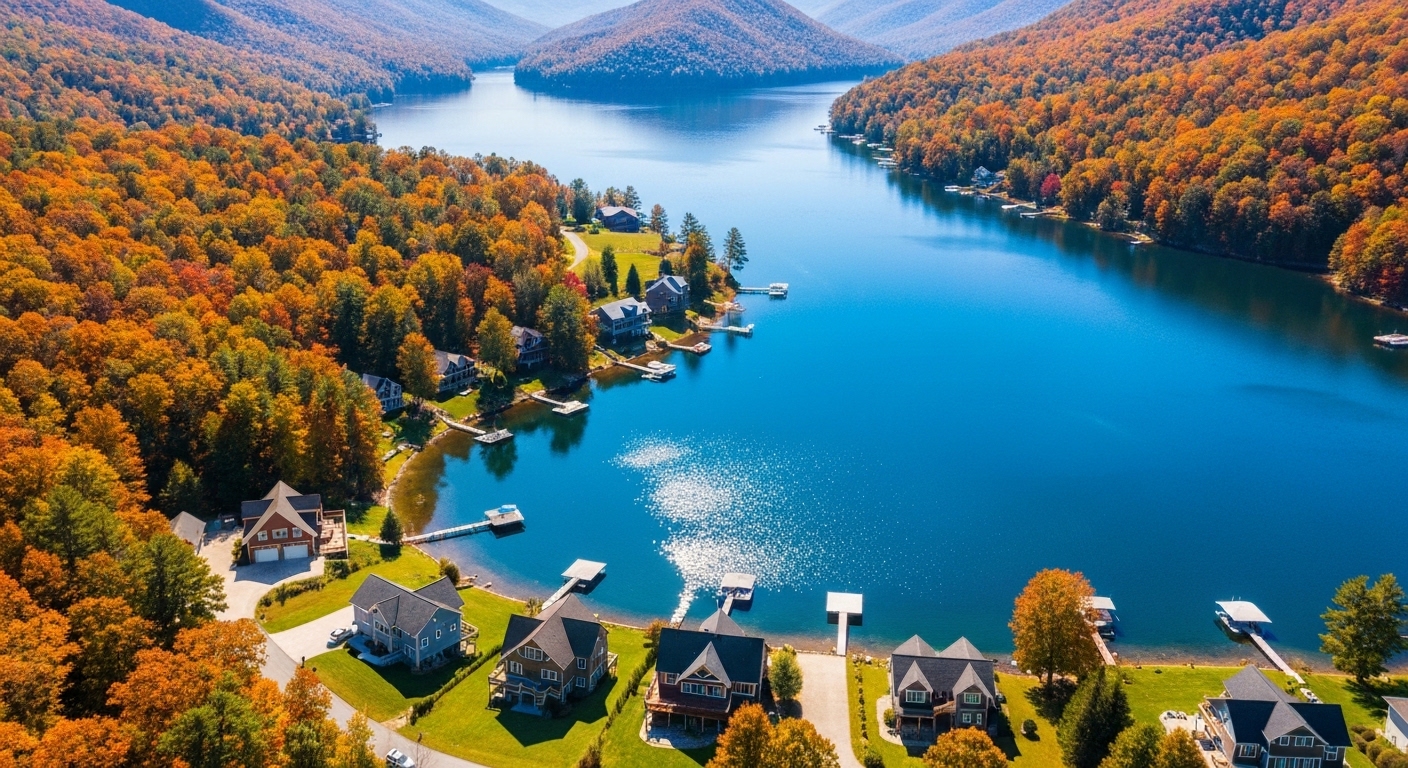
Lake Glenville is a roughly 1,470-acre Duke Energy reservoir with 26 miles of shoreline, sitting at about 3,494 feet, which makes it the highest major lake east of the Mississippi River. That elevation and the clean, cold, deep water are the whole draw.

The lake was completed in late 1941 by damming the West Fork of the Tuckasegee River, originally built by Nantahala Power and Light for hydroelectric power tied to wartime aluminum production; it was officially named Thorpe Reservoir from 1951 until 2002, when it was renamed Lake Glenville, while the dam and hydro project are still called Thorpe. Today Duke Energy operates it. The water is deep, more than 130 feet at its maximum and 80-plus feet a short distance off some shorelines, and cold and clear enough to support bass, lake trout, walleye, and crappie. A signature feature: four waterfalls flow directly into the lake and are reachable only by boat or kayak, Hurricane Falls (the most popular), Mill Creek Falls, Norton Falls, and a hidden cove falls, and guided waterfall cruises run in season.

A bit of history that explains the place: the original settlement here, called Hamburg, was flooded in 1941 when the dam went in, displacing homes and farms, and the area redeveloped as the lake-and-second-home community it is today.

See what is on the market in Glenville

See Homes for Sale in Glenville

What kind of place is Glenville?

Glenville is a small, unincorporated, heavily seasonal lake community, not an incorporated town, strung along NC-107 on the east side of Lake Glenville between Cashiers and the Sylva area. Its character is quiet, scenic, and lake-centered.

With only about 155 year-round residents, Glenville has no town government and no municipal tax, just Jackson County governance and a local fire district. There is no real downtown; the village scene, shops, and dining are about five miles south in Cashiers, while Sylva to the north has the county seat services and the full-service hospital. What Glenville offers instead is the lake, the marinas, the public swim beach and boat ramps at the north end, and a tight seasonal community that swells in summer and quiets dramatically in winter. Public access is genuinely good for a lake this exclusive: the Pines Recreation Area on the north shore has a sandy swim beach, fishing pier, and picnic facilities, plus two public boat ramps, none requiring a permit.

Day to day, life here is boating, fishing, paddling to the waterfalls, and cool-evening lake living from late spring through fall, then a much smaller, quieter community through the winter months.

What is the Glenville real estate market like?

The Glenville market is sharply bimodal: inexpensive off-water land and lots at one end, premium lakefront estates into the millions at the other, with the lake driving everything. That split is why the median and the average diverge so much, and why a single "Glenville price" is misleading.

Over the past year roughly 146 homes sold with a median near $319,000 but an average around $665,000 and a high above $4.4 million, while the active market shows about 186 listings with a median list near $239,500 and a high around $7.65 million (as of June 2026). The low end is mostly raw land and off-water lots; the high end is lakefront and lake-access homes. Days on market run around 100-plus, normal for a seasonal lake market with a lot of land. So what you are really shopping is a position relative to the water, which is the single biggest price driver here.

Shopping Lake Glenville? Lakefront and waterfront homes or Land and lots.

Because the gap between a true lakefront lot with dock potential and a "lake-view" lot with no water rights can be enormous, the water-rights details matter more than the house. Start with current Glenville listings, and consider nearby Cashiers homes for sale just south on the plateau.

Lakefront vs lake-access vs lake-view: what is the difference?

This is the single most important thing to understand before buying at Lake Glenville, because "lakefront," "lake-access," and "lake-view" mean very different things, carry very different rights, and command very different prices. Confusing them is the most common and costly mistake buyers make here.

Here is the plain-English breakdown. Lakefront means the property runs to the lake (to the Duke Energy project boundary) and may have dock potential, the most valuable and most expensive category. Lake-access means you do not own waterfront but have shared or community access, a slip, or an easement to use the lake, common in lake communities and far less expensive than true lakefront. Lake-view means exactly that, a view of the water with no ownership or rights to it, the most affordable and the easiest to misread from a listing photo. A listing's price often makes sense only once you know which of the three it is, so verify the water rights on every property, because a "lakefront" headline does not by itself guarantee you can put in a dock (that is the next question).

Can you build a dock on Lake Glenville?

Not automatically. Duke Energy controls the shoreline of Lake Glenville, and any dock, boathouse, or shoreline work requires a Duke Energy permit, so owning a "lakefront" lot does not by itself guarantee dock rights. This is essential to confirm before you buy if a dock matters to you.

Duke owns the land inside the project boundary (sometimes called the "3110 line") and administers docks and shoreline activity under its Nantahala Area Shoreline Management Guidelines, so whether a given lot can have a dock, and what kind, depends on Duke's permitting and the project boundary, not just the deed. Some lots have existing permitted docks, some can qualify for one, and some cannot. The practical step: before committing to a lakefront property where a dock is the point, verify the dock status or permit potential with Duke Energy Lake Services, which I help buyers do as part of due diligence. Getting this confirmed up front is the difference between the lake home you imagined and an expensive surprise.

What is there to do in Glenville?

The lake is the headline, but Glenville also puts you minutes from the broader Cashiers-Highlands plateau's hiking, waterfalls, golf, and village scene. It is a compact base for a big slice of the mountains.

On the water, Lake Glenville offers boating, kayaking, paddleboarding, swimming, and strong fishing, with Signal Ridge Marina and other operators for rentals, gas, and launching, plus the boat-only waterfall cruises to Hurricane and Mill Creek falls. Off the water, the village of Cashiers five miles south adds upscale dining, galleries, and shops, and the surrounding plateau brings Whiteside Mountain, Silver Run Falls, Panthertown Valley (the "Yosemite of the East"), and nearby golf. The setting is wrapped in Nantahala National Forest land, and the four-season climate, with cool summers as the regional selling point, drives the whole seasonal lifestyle.

How far is Glenville from Cashiers, Sylva, and the feeder cities?

Glenville sits about five miles north of Cashiers and eighteen miles south of Sylva on NC-107, with Asheville and Greenville-Spartanburg both well over an hour away. Plan for slower-than-the-map travel on the mountain roads.

From Glenville to Distance Drive time
Cashiers, NC ~5-7 mi ~10-15 min
Cullowhee / WCU ~16 mi ~25-30 min
Sylva, NC (Harris Regional Hospital) ~18 mi ~30-35 min
Highlands, NC ~15 mi ~30 min
Asheville, NC (and AVL airport) ~50 mi ~1 hr 20 min
Greenville-Spartanburg, SC (GSP) ~70 mi ~1 hr 30 min
Atlanta, GA ~150 mi ~2 hr 50 min
Charlotte, NC ~155 mi ~3 hr

(Distances and times as of June 2026, via mapping calculators; some are approximate.) Greenville-Spartanburg and Atlanta are the major feeder airports for second-home buyers here, with Asheville Regional closer but smaller. The full-service hospital and everyday shopping are about half an hour north in Sylva, while the critical-access Highlands-Cashiers Hospital is closer to the south.

What internet and utilities can you get in Glenville?

Internet in Glenville is rural and uneven: there is no universal fiber, DSL reaches part of the area, and satellite is the dependable fallback, so confirm service at the exact address before counting on it for remote work.

Provider Type Coverage in Glenville Top speed Notes (as of mid-2026)
Frontier DSL ~one-third of area up to ~115 Mbps the main wired option in many spots
Skyrunner / BalsamWest Fiber / fixed wireless limited pockets (~12%) up to ~1 Gbps strongest where built; thins fast
Viasat Satellite available ~150 Mbps legacy satellite
Starlink Satellite anywhere ~25-100 Mbps typical the realistic default for most rural lots

(Coverage from broadband aggregators, mid-2026; treat as directional.) On utilities, many properties are on private wells and septic rather than municipal service, though some communities like Trillium have community systems, so confirm water and sewer per parcel and budget for a well test and septic inspection on non-community lots. As anywhere at elevation, cell coverage varies and power can be vulnerable in major storms.

How did Hurricane Helene affect Glenville?

Glenville sits in the southern part of Jackson County that took the brunt of Hurricane Helene in September 2024, with road closures, power outages, and flooding, though the county overall fared far better than the hardest-hit areas to the east. Lake Glenville's Thorpe Dam held.

When Helene hit early on September 27, 2024, the southern Jackson communities (Cashiers, Sapphire, Glenville, and Blue Ridge) took the worst of it, with around 10,000 power outages and more than 40 road closures countywide, overflowing creeks and rivers, and a boil-water advisory; the Cashiers-Glenville Fire Department served as a community command center with free water. NC-107 north and south was passable again by that Monday, while US-64 near Sapphire stayed closed longer. At the lake itself, the Thorpe Dam's emergency action plan was elevated during the peak and the reservoir receded to normal within about a day; the dam held. For a buyer, the lesson is the same as across the plateau: southern Jackson can temporarily lose road, power, and water access in a major storm, so weigh a property's access-road resilience and plan for backup power and water.

What should out-of-state buyers know about property here?

Six things shape a smart Glenville purchase: the lakefront-versus-access distinction, Duke Energy dock permitting, the seasonal rhythm, steep mountain terrain, well-and-septic realities, and storm access. All reward homework before you offer.

The first two are covered above and are the big ones: confirm exactly what water rights a property has, and confirm dock status or permit potential with Duke Energy before assuming a lakefront lot comes with a dock. Beyond that, expect a strongly seasonal community that quiets in winter (many businesses cut hours November through April), steep lots that bring driveway-grade, grading, and access considerations, and many parcels on private wells and septic, so budget for a well test, a septic inspection, and any recorded Road Maintenance Agreement on shared private roads, which lenders require. Finally, factor the plateau's storm-access reality and the small fire-district tax into your carrying-cost math. None of this should discourage a serious lake buyer; it is simply what buying at Lake Glenville responsibly looks like, and I walk buyers through every piece.

What are the property taxes in Glenville?

Glenville buyers pay only the Jackson County rate of $0.31 per $100 (for 2025-26) plus a small Cashiers-Glenville fire-district levy, with no town tax, because Glenville is unincorporated. That makes the total tax bill modest compared with buying inside an incorporated town.

On the county side, Jackson County completed a revaluation effective January 1, 2025 that raised assessed values significantly and cut the county rate from $0.38 to $0.31 to partly offset it, so bills reflect the new values. Because Glenville lies in the Cashiers-Glenville Fire District, a small fire-district tax (historically a few cents per $100) applies on top of the county rate, so confirm the current fire-district figure for a specific parcel, but there is no municipal layer at all. On a $665,000 home the county portion is roughly $2,060 a year, plus that small fire levy.

On the state side, North Carolina is favorable for retirees: Social Security is not taxed, government and military pensions can be exempt under the Bailey settlement, and there is no estate tax. There is no special $35,000 senior exemption (that is a Georgia benefit, not North Carolina); other retirement income is taxed at the state's flat rate (3.99% in 2026). This is general information, not tax advice, so confirm current rates and the fire-district levy with the county and a CPA.

What are the schools and healthcare like?

Glenville is served by Jackson County Public Schools through Blue Ridge School (a pre-K to 6 elementary between Cashiers and Glenville), with high schoolers attending Smoky Mountain High in the Sylva area, and healthcare anchored by two hospitals on and beyond the plateau. For a small lake community, the essentials are within reach.

For schools, Blue Ridge School is the assigned local public elementary (pre-K through 6), the district's smallest, formed in 1975 by consolidating the Glenville and Cashiers schools; older students continue in the Jackson County system at Smoky Mountain High School near Sylva, and the tuition-free Summit Charter School on the Cashiers-Highlands plateau is an alternative. For healthcare, Highlands-Cashiers Hospital is the critical-access hospital on US-64 between Highlands and Cashiers (24/7 ER, acute inpatient, rehab, and long-term care), while the larger full-service hospital, Harris Regional, is in Sylva about half an hour north, with Mission Hospital in Asheville as the regional referral center. Buyers should expect a drive for medical care, with a closer critical-access option and a fuller hospital within reach.

How does Glenville compare to nearby towns?

Glenville is the lake-life option on the plateau, distinct from the village-and-club scene of Cashiers, the high-end Main Street of Highlands, and the year-round affordability of the Sylva area. Here is the honest head-to-head.

- Why buyers choose Glenville over Cashiers: Glenville is about Lake Glenville, boating, fishing, and waterfront living, and it tends to be a bit quieter and sometimes more attainable than the Cashiers village core five miles south, while Cashiers has the upscale shops, dining, and the marquee golf clubs. Many buyers want both; choose Glenville for the lake, Cashiers for the village and clubs. - Why buyers choose Glenville over Highlands: Glenville offers lake life at high elevation, while Highlands is a walkable, luxury resort town with a developed Main Street and no comparable big lake. Choose Glenville for the water, Highlands for the town scene. - Why buyers choose Glenville over Sylva or Cullowhee: Glenville is a seasonal, second-home lake community, while Sylva and Cullowhee to the north are year-round, far more affordable, working communities with full services and a hospital. Choose Glenville for the lake retreat, the Sylva area for value and year-round practicality.

Is Glenville right for you?

Glenville is a strong fit for a second-home buyer or retiree who wants high-elevation lake living, boating and fishing on clean, cool water, and a quieter base a few minutes from the Cashiers village and club scene. If a dock on one of the highest lakes in the East, cool summers, and waterfall cruises out your back door sound right, and you are comfortable with seasonal quiet and luxury-lake pricing for true lakefront, Glenville is hard to beat.

It is not the right fit for someone who needs an affordable year-round home with services at the doorstep (look to Sylva or Cullowhee), a lively winter community (the lake quiets in the off-season), or a guaranteed dock without verifying Duke Energy permitting and water rights first. And steep-terrain and storm-access homework is part of buying here.

If lake life at Lake Glenville is what you are after, reach out and I will help you decode lakefront versus access versus view, confirm dock potential with Duke Energy, and find the right position on the water for how you actually want to live.

Frequently Asked Questions

Is Glenville, NC a good place to live? For a second-home buyer or retiree who wants lake living, yes. Glenville wraps around Lake Glenville, the highest major lake east of the Mississippi at about 3,494 feet, with cool summers, clean water, boating, fishing, and boat-access waterfalls, five miles north of the Cashiers village and club scene. Because it is unincorporated, there is no town property tax, only the Jackson County rate plus a small fire-district levy. The trade-offs are a strongly seasonal rhythm with a quiet winter, rural internet, and luxury pricing for true lakefront, so it fits seasonal and second-home life better than budget-minded year-round living.

How much does it cost to buy a home in Glenville? It is a sharply bimodal lake market. Over the past year about 146 homes sold with a median near $319,000 but an average around $665,000 and a high above $4.4 million, while active listings show a median list near $239,500 and reach about $7.65 million (as of June 2026). The low end is off-water land and lots; the high end is lakefront and lake-access homes. Your price depends almost entirely on your position relative to the water, so ask me for a current, water-rights-specific read before making an offer.

What is special about Lake Glenville? Lake Glenville is a roughly 1,470-acre Duke Energy reservoir with 26 miles of shoreline, sitting at about 3,494 feet, which makes it the highest major lake east of the Mississippi River. The water is deep (over 130 feet at maximum) and cold and clear, supporting bass, lake trout, walleye, and crappie, and four waterfalls flow directly into the lake reachable only by boat or kayak. It was built in 1941 by damming the West Fork of the Tuckasegee and was named Thorpe Reservoir until 2002. Public access is good, with a swim beach and two boat ramps on the north shore that need no permit.

What is the difference between lakefront, lake-access, and lake-view at Lake Glenville? They mean very different things and prices. Lakefront means the property runs to the lake (the Duke Energy project boundary) and may have dock potential, the most valuable category. Lake-access means you do not own waterfront but have shared or community access, a slip, or an easement, far less expensive. Lake-view means a view of the water with no ownership or rights to it, the most affordable and easiest to misread from a photo. Always verify which category a listing actually is, because the price only makes sense once you know.

Can you build a dock on Lake Glenville? Not automatically. Duke Energy controls the shoreline, so any dock, boathouse, or shoreline work requires a Duke Energy permit under its Nantahala Area Shoreline Management Guidelines, and owning a lakefront lot does not by itself guarantee you can put in a dock. Some lots have existing permitted docks, some can qualify, and some cannot, depending on the project boundary and Duke's permitting. If a dock matters, verify its status or permit potential with Duke Energy Lake Services before buying, which I help buyers do.

Does Glenville have a town property tax? No. Glenville is unincorporated, so buyers pay only the Jackson County rate of $0.31 per $100 (2025-26) plus a small Cashiers-Glenville fire-district levy, with no municipal tax on top. Jackson County completed a 2025 revaluation that raised assessed values and cut the county rate from $0.38 to $0.31. Confirm the current fire-district figure for a specific parcel. North Carolina does not tax Social Security and has a flat income tax (3.99% in 2026); there is no $35,000 senior exemption (that is Georgia), though government and military pensions can be exempt under the Bailey settlement.

How far is Glenville from Cashiers and the airports? Cashiers is about five to seven miles south, roughly 10-15 minutes on NC-107, and Sylva with its full-service hospital is about 18 miles and half an hour north. For air travel, Greenville-Spartanburg is about an hour and a half and Atlanta about two hours and 50 minutes, the major feeder airports, with Asheville Regional closer at about an hour and 20 minutes but smaller. Plan for slower-than-the-map travel on the winding mountain roads.

Is Glenville seasonal or year-round? Strongly seasonal. The year-round population is only about 155, and the community swells with seasonal residents and visitors in summer and fall, then quiets dramatically in winter, when many plateau businesses cut hours from November through April. That rhythm is the appeal for a second-home owner, but anyone considering Glenville as a full-time home should experience a winter on the lake first.

Was Glenville hit by Hurricane Helene? Glenville is in the southern part of Jackson County that took the brunt of Helene in September 2024, with power outages, road closures, and flooding, though the county overall fared far better than the hardest-hit areas to the east. NC-107 was passable again within a few days, and at the lake the Thorpe Dam held and the reservoir receded to normal within about a day. The lesson for buyers is that southern Jackson can temporarily lose road, power, and water access in a major storm, so weigh a property's access-road resilience and plan for backup power and water.

About the Author

Jon Tharp is a licensed NC real estate broker with Keller Williams. He's helped buyers and sellers across Western North Carolina for over 10 years, specializing in mountain homes, land, and short-term rental investments, with offices throughout WNC covering all mountainous areas. If something in this post has you thinking about a move, he's easy to reach — (828) 347-9055 or smokymountainhomes4sale.com or Jon@jontharphomes.com.

Ready to Make Western NC Your Home Base?

Whether you're looking to buy, considering a short-term rental investment, or ready to sell, the Jon Tharp Team brings deep local knowledge and marketing that puts your home in front of 50,000+ buyers in the first 30 days.

Search available homes across Western NC or call Jon directly at (828) 347-9055.

Talk to Jon

What Our Clients Say

43 five-star Google reviews  —  read them all on Google

★★★★★

"Jon is hands down the most dedicated and knowledgeable realtor that I have ever worked with. His expertise made the entire process of selling my home and finding a new one a smooth process."

Amy Davis  ·  2025

★★★★★

"Jon & his team are the greatest! Very professional, friendly like your neighbor, and always get back to your texts, phone calls & emails within minutes or same day, not days or weeks."

Cynthia Oelschlager  ·  2025

★★★★★

"I can’t say enough good things about Jon and his team. I was looking for investment properties and Jon spent time researching where would be a good place for an Airbnb — he found 2 beautiful properties."

Diane Cogswell  ·  2025

More from the Blog
The Waterfall on the NC Side of the Smokies That Most Tourists Never Find

The Waterfall on the NC Side of the Smokies That Most Tourists Never Find

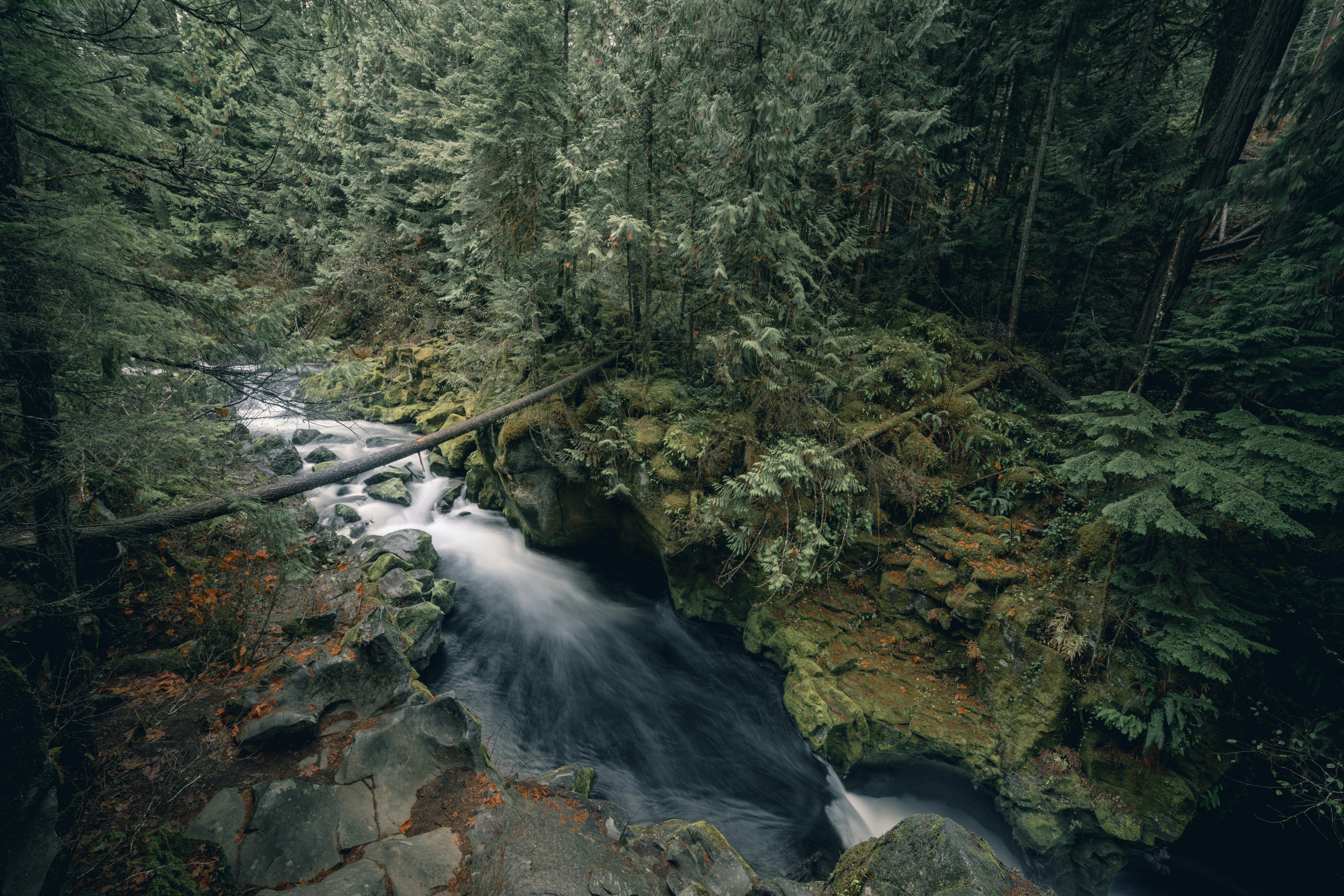
Mouse Creek Falls sits just over two miles up Big Creek Trail and sees a fraction of the foot traffic that Laurel Falls and Abrams Falls draw.

Read More →
Western NC Fishing Guides and Lodges Just Ranked Among the 10 Best in the Country

Western NC Fishing Guides and Lodges Just Ranked Among the 10 Best in the Country

The Tuckasegee, Nantahala, and Davidson rivers draw serious anglers from across the country — and the guides and lodges built around them just got national recognition.

Read More →
Franklin Is Redesigning Main Street and Wants Your Input Before It Happens

Franklin Is Redesigning Main Street and Wants Your Input Before It Happens

The Town of Franklin has two public meetings set for late May where residents can shape a major Main Street transformation plan.

Read More →

Posted in Community Guides
June 7, 2026

Living in Cashiers, NC: The Complete Guide (2026)

Living in Cashiers, NC: The Complete Guide (2026)

By Jon Tharp, Broker  ·  June 7, 2026

Quick Answer: Cashiers is an unincorporated luxury resort village of about 657 year-round residents in southern Jackson County, North Carolina, perched at roughly 3,484 feet on the Cashiers-Highlands plateau, about an hour and a half from both Asheville and Greenville-Spartanburg. It is one of the highest-end second-home markets in the Southeast: the median home sold for about $925,000 over the past year and active listings run to a $1.32 million median and beyond $14 million, anchored by private gated golf-and-lake clubs. Because Cashiers is unincorporated, buyers pay no town property tax, only the Jackson County rate.

Cashiers at a Glance

Year-round population About 657 (2020 Census); the summer peak is commonly estimated above 16,000
Elevation ~3,484 feet at the Crossroads (cool summers, fog, occasional snow)
Median home price ~$925,000 sold over the past year; active listings median ~$1.32M, up to $14.5M (as of June 2026)
Time on market Roughly 90-130+ days (a slow, cash-heavy luxury market)
The Crossroads US-64 meets NC-107 at the village center
Property tax Jackson County $0.31 per $100 (2025-26), and NO town tax (Cashiers is unincorporated)
Drive to GSP / Atlanta ~1 hr 40 min to Greenville-Spartanburg; ~2 hr 40 min to Atlanta
Locally famous for Whiteside Mountain, the Village Green, private clubs like Wade Hampton and High Hampton, and a cool-summer plateau lifestyle

What is it actually like to live in Cashiers?

Living in Cashiers means living in a high-elevation luxury resort village where the lifestyle revolves around private clubs, cool mountain summers, and a small but refined village core, and where most homes are second residences rather than year-round dwellings. It is upscale, seasonal, and unlike anywhere else on this side of the mountains.

At roughly 3,484 feet, Cashiers stays cool when the lowlands bake, which is the whole reason the plateau became a summer retreat more than a century ago. The village itself is small, a walkable cluster of galleries, fine-dining restaurants, and shops around the Crossroads and the Village Green, but the surrounding plateau holds some of the most exclusive gated golf-and-lake communities in the Southeast. The market reflects it: a median sale near $925,000 and active inventory reaching past $14 million (as of June 2026). Because Cashiers is unincorporated, there is no town property tax, only the Jackson County rate, which is a genuine advantage at these price points.

This guide is written for the buyer Cashiers actually attracts, the affluent retiree or second-home owner: the club scene and how access really works, the luxury market, the seasonality, the storm-access realities the plateau learned in 2024, and who Cashiers fits.

Table of Contents

- What kind of place is Cashiers? - What is the Cashiers real estate market like? - What are the private clubs and gated communities in Cashiers? - How do club memberships actually work here? - What is there to do in Cashiers? - How far is Cashiers from Highlands, Asheville, and the feeder cities? - What internet and utilities can you get in Cashiers? - What is the weather and seasonality like? - How did Hurricane Helene affect the Cashiers plateau? - What should out-of-state buyers know about property here? - What are the property taxes in Cashiers? - What are the schools and healthcare like? - How does Cashiers compare to nearby towns? - Is Cashiers right for you? - Frequently Asked Questions

What kind of place is Cashiers?

Cashiers is an unincorporated, high-elevation resort village, not an incorporated town, which shapes both its character and its taxes. It centers on the Crossroads where US-64 meets NC-107 and spreads across the Cashiers-Highlands plateau in a constellation of private communities.

The 2020 census counted 657 year-round residents, but that number tells you almost nothing about a summer day, when seasonal residents and visitors push the plateau population to an estimated 16,000-plus. A town charter granted in 1927 went inactive, so Cashiers is governed through Jackson County (with a dedicated community planning council), and that unincorporated status means no municipal tax layer. The village core is small and refined: galleries, upscale shops, and acclaimed restaurants clustered around the Crossroads and Old Cashiers, with the Village Green meadow and its pavilions as the community's beating heart.

Day to day, life here runs on the plateau's rhythms: golf, lake time on Lake Glenville, hiking Whiteside Mountain, and the social calendar of the clubs in summer and fall, then a quiet, much smaller village in winter. It is a place defined by elevation, exclusivity, and the seasons, more a refined mountain retreat than a conventional town.

See what is on the market in Cashiers

See Homes for Sale in Cashiers

What is the Cashiers real estate market like?

Cashiers is one of the most expensive and second-home-dominated markets in Western North Carolina: the median home sold for about $925,000 over the past year, the average sale was around $1.43 million, and active listings range from raw land into estates above $14 million. It is a slow, cash-heavy luxury market where patience is normal.

Over the past year roughly 273 homes sold, with a median near $925,000, an average around $1.43 million, and a top sale above $11 million, while the active market shows about 161 listings with a median list near $1.32 million and a high around $14.5 million (as of June 2026). Days on market commonly run 90 to 130-plus, which is typical for luxury and land, and a large share of buyers pay cash. The market is widely understood as second-home and seasonal dominant, so inventory, pricing, and absorption all behave differently from a year-round market like Sylva. The range is enormous, from buildable plateau land to club estates, so what you are really shopping is a specific community and tier, not a single "Cashiers price."

Shopping the plateau? Luxury homes ($1M+) or Land and homesites.

With this much price discovery and this many gated communities, working with someone who knows which club is which, and how access works, matters more here than in any other plateau market. Start with current Cashiers listings, explore lakefront and waterfront homes toward Lake Glenville, or look at adjacent Glenville homes for sale just north.

What are the private clubs and gated communities in Cashiers?

The plateau's private golf-and-lake clubs are the backbone of the Cashiers market, and they span a real spectrum from a public-facing historic resort to invitation-only enclaves. Here is an honest map of the major ones in and around the village.

Community Type Access Character
High Hampton Historic resort + golf Public resort; memberships available 1,400 acres, founded 1922; Tom Fazio course reopened 2021; public lodging and dining
Wade Hampton Golf Club Private golf By invitation, member sponsorship Top-ranked Fazio course on ~600 acres; the marquee private club
Mountaintop Golf & Lake Club Private golf + lake By invitation Fazio course (2006), golf plus lake and outdoor recreation
Trillium Links & Lake Club Private golf + lake Primarily through property ownership Gated golf-and-lake community
Lonesome Valley Private gated Gated, ownership/membership ~800 acres minutes from the Crossroads; nature-focused
The Chattooga Club Private club + residential Private membership Family-oriented; lodge, dining, spa, croquet, tennis, pickleball
Country Club of Sapphire Valley Private country club Private (more accessible tier) Just east in Sapphire; relatively more attainable
Burlingame Country Club Member-owned golf Private, member-owned ~500 acres in Sapphire; Tom Jackson course
Sapphire Valley Resort / Sapphire National Resort/golf Public-leaning The accessible end of the plateau market

A few honest notes: the famous Cullasaja Club, Wildcat Cliffs, and Highlands Country Club are in or near Highlands, not Cashiers, so do not confuse them with the Cashiers clubs. The Sapphire communities just east on US-64 are generally the more attainable tier of the plateau, while Wade Hampton and Mountaintop sit at the exclusive top. Which community fits depends entirely on whether you want golf, lake, or nature, and on how membership works, which is the next question.

How do club memberships actually work here?

This is the single most misunderstood thing about buying in Cashiers: at most of the top clubs you cannot simply buy a membership, and buying a home in or near a community does not automatically grant golf or club access. Getting this right before you fall in love with a house saves real heartbreak.

The clubs fall into a few access models. High Hampton is a public-facing resort with memberships available, so it is the most open. Trillium and several others are tied primarily to property ownership, meaning buying within the community is the path to membership. And the most exclusive, Wade Hampton and Mountaintop among them, are by invitation, typically requiring member sponsorship, so access is earned through relationships, not a checkbook alone. Initiation and dues figures vary by club and change over time, so treat any number you see secondhand with caution and verify directly. The practical takeaway: decide what amenities you actually want, then let me confirm the specific club's current membership path and costs as part of evaluating a home, because in Cashiers the membership question is often more decisive than the house itself.

What is there to do in Cashiers?

Beyond the clubs, Cashiers offers some of the best public outdoor recreation in the mountains plus a refined village scene of dining, galleries, and events. You do not need a club membership to enjoy much of what makes the plateau special.

The outdoor headliner is Whiteside Mountain, whose dramatic cliffs and roughly two-mile loop trail deliver some of the region's best views. Silver Run Falls, a short walk south of the village on NC-107, is an easy waterfall and swimming hole, and Panthertown Valley, often called the "Yosemite of the East," offers backcountry hiking and waterfalls. Lake Glenville just north is the area's largest lake, with boating, fishing, swimming, and pontoon rentals, and Gorges State Park lies toward Sapphire and Brevard. In the village, the Village Green hosts around 80 events a year on its meadow, the seasonal farmers market and high-end galleries draw crowds, and the Cashiers Historical Society's late-August Designer Showhouse is a signature annual event. Dining and shopping cluster walkably around the Crossroads.

How far is Cashiers from Highlands, Asheville, and the feeder cities?

Cashiers sits about ten miles from Highlands and roughly an hour and a half from both Asheville and Greenville-Spartanburg, which is the key feeder airport for affluent plateau buyers. Its mountain-road location means drive times run longer than the mileage suggests.

From Cashiers to Distance Drive time
Sapphire, NC ~8 mi ~12-15 min
Lake Glenville ~7 mi ~12 min
Highlands, NC ~10 mi ~25 min
Cullowhee / WCU ~22 mi ~35 min
Sylva, NC (Harris Regional Hospital) ~28 mi ~40 min
Brevard, NC ~28 mi ~40 min
Asheville, NC (and AVL airport) ~61 mi ~1 hr 25 min
Greenville-Spartanburg, SC (GSP) ~72 mi ~1 hr 40 min
Atlanta, GA ~141 mi ~2 hr 40 min
Charlotte, NC ~150 mi ~3 hr

(Distances and times as of June 2026, via mapping calculators; some are approximate.) For affluent second-home buyers, Greenville-Spartanburg and Atlanta are the major feeder airports, with Asheville Regional closer but smaller. The plateau roads (US-64 and NC-107) are winding mountain highways, so plan for slower-than-the-map travel, especially in fog or winter weather.

What internet and utilities can you get in Cashiers?

Connectivity on the plateau is better than many mountain markets, with fiber reaching roughly 70 percent of Cashiers addresses, but it is highly address-specific, so confirm service at the exact parcel, especially inside gated communities that sometimes have their own arrangements.

Provider Type Coverage in Cashiers Top speed Notes (as of mid-2026)
BalsamWest FiberNET Fiber ~57% up to ~1 Gbps the largest fiber footprint
Skyrunner Fixed wireless + fiber ~73% up to ~1 Gbps strong plateau coverage
Frontier Fiber Fiber ~10% (south/southwest) up to 2 Gbps limited footprint
Vyve Broadband Cable ~10% (south/east) high limited footprint
Starlink Satellite anywhere ~25-100 Mbps typical the fallback for remote parcels

(Coverage from broadband aggregators, mid-2026; treat as directional.) On utilities, plateau properties may be on community water systems or private wells and septic depending on the community, so confirm per parcel and budget for a well test and septic inspection on non-community-served lots. As anywhere at elevation, cell coverage varies, and power can be vulnerable in major storms.

What is the weather and seasonality like?

Cashiers has cool summers, vivid falls, and real winters at 3,484 feet, plus a pronounced seasonal rhythm: the village is busy and full from late spring through fall and quiet, with many businesses closed or on reduced hours, in winter. Understanding that swing is essential before you buy.

The elevation that draws summer residents also means frequent fog, cooler temperatures year-round, and occasional snow and ice, and the plateau is one of the wettest places in the eastern United States, averaging around 87 inches of precipitation a year. The practical effects for a homeowner: mountain roads can be slick in winter, some restaurants and club amenities close or cut hours from late fall into spring, and the year-round population drops to a few hundred. For a summer-and-fall second-home owner that rhythm is the entire appeal; for someone considering Cashiers as a full-time, year-round home, it is worth spending a January here before committing.

How did Hurricane Helene affect the Cashiers plateau?

Southern Jackson County, including Cashiers, was the hardest-hit part of the county during Hurricane Helene in September 2024, and the storm exposed a real vulnerability: the plateau's access roads can be cut by landslides and washouts, temporarily isolating the area. Any plateau buyer should understand this.

During Helene the worst county damage was concentrated around Cashiers and Blue Ridge in the south, with many rural roads left impassable, roughly 10,000 power outages and more than 40 road closures countywide, overflowing rivers and creeks, a boil-water advisory, and a loss of cell and internet service for several days. There were no storm-related deaths in Jackson County, and recovery has progressed, but the access lesson stuck: the county is investing about $3 million in an additional transfer station in the Cashiers area specifically because the community is frequently cut off by landslides during storms. For a buyer, the takeaway is concrete, evaluate the condition and resilience of a property's access road and any steep slopes during due diligence, and recognize that isolation during major storms is a real, if occasional, plateau reality.

What should out-of-state buyers know about property here?

Five things shape a smart Cashiers purchase: how club membership really works, the second-home carrying costs, steep-slope and access-road due diligence, water systems, and the long, cash-heavy sales timeline. None are dealbreakers, but all reward preparation.

First, membership: confirm a specific club's access path and current fees before assuming you can golf or use amenities, because buying nearby does not grant access (see the membership section above). Second, carrying costs: second-home ownership here typically means HOA or club dues, professional property management or caretaking for an absentee owner, winterization, and insurance considerations on forested, steep-slope lots. Third, the land itself: many plateau parcels are steep and wooded, so evaluate the access road, driveway grade, building site, and any recorded Road Maintenance Agreement on shared private roads, which lenders require.

Fourth, water: properties may be on a community water system or a private well depending on the community, so confirm per parcel and inspect wells and septic where applicable. Fifth, the timeline: this is a slow market with days on market commonly past 90, wide price discovery, and a cash-heavy buyer pool, so both buying and reselling here move at a luxury-market pace. I walk buyers through every one of these, because the difference between a great plateau purchase and a frustrating one is almost always the homework done up front.

What are the property taxes in Cashiers?

Cashiers has an unusually clean tax picture for a luxury market: because it is unincorporated, buyers pay only the Jackson County rate of $0.31 per $100 (for 2025-26), with no town tax on top. At plateau price points, skipping a municipal rate is a meaningful saving.

For perspective, on a $1 million home the county tax is roughly $3,100 a year, plus any applicable fire or service district levy, and there is no municipal layer the way there would be inside an incorporated town like Sylva. Jackson County completed a revaluation effective January 1, 2025 that raised assessed values significantly and cut the county rate from $0.38 to $0.31 to partly offset it, so bills reflect the new values. Special districts (such as fire protection) can add a modest per-$100 amount on parts of the plateau, so confirm the specific districts for a given parcel with the Jackson County Tax Office.

On the state side, North Carolina is favorable for retirees: Social Security is not taxed, government and military pensions can be exempt under the Bailey settlement, and there is no estate tax. There is no special $35,000 senior exemption (that is a Georgia benefit, not North Carolina); other retirement income is taxed at the state's flat rate (3.99% in 2026). This is general information, not tax advice, so confirm current rates and any district levy with the county and a CPA.

What are the schools and healthcare like?

Cashiers is served by Jackson County Public Schools through the unusual Blue Ridge School, a K-12 campus right in the village, and by Highlands-Cashiers Hospital, a critical-access hospital on US-64 between the two towns. For a small mountain community, both are notable.

For schools, Blue Ridge School is a public K-12 school in Cashiers (established 1975), and the same campus also houses Blue Ridge Early College for grades 7-12, an unusual combination on one plateau campus; Western Carolina University in Cullowhee, about 35 minutes north, adds higher education and cultural options. For healthcare, Highlands-Cashiers Hospital is a 24/7 critical-access facility (with a Highlands mailing address) sitting on US-64 between Highlands and Cashiers, offering emergency, acute inpatient, rehabilitation, and long-term care through the Eckerd Living Center, and it is part of the Mission Health system. The larger full-service hospital, Harris Regional, is in Sylva about 40 minutes north, and Mission Hospital in Asheville is the regional referral center about an hour and a half away. For an affluent buyer, a critical-access hospital minutes away plus larger facilities within reach is solid coverage at this elevation.

How does Cashiers compare to nearby towns?

Cashiers is the high-end, club-driven, second-home plateau market, distinct from its sister resort Highlands, the year-round affordability of the Sylva area, and its own quieter satellites at Glenville and Sapphire. Here is the honest head-to-head.

- Why buyers choose Cashiers over Highlands: The two are sister resorts ten miles apart, both upscale and seasonal. Cashiers feels a touch more low-key and club-and-lake oriented, with Wade Hampton, Mountaintop, and Lake Glenville nearby, while Highlands has a more developed, walkable luxury Main Street with shopping and dining. Many buyers tour both; choose Cashiers for the club-and-lake plateau lifestyle, Highlands for a more bustling village. - Why buyers choose Cashiers over Sylva or Cullowhee: Cashiers offers the elevation, the clubs, and the prestige second-home setting, while Sylva and Cullowhee to the north are year-round, far more affordable, working communities with a hospital, university, and everyday services. Choose Cashiers for the luxury plateau retreat, the Sylva area for value and year-round practicality. - Why buyers choose Cashiers over Glenville or Sapphire: Cashiers is the prestige core, while Glenville (with big Lake Glenville) and Sapphire to the east are quieter, often more attainable satellites of the same plateau. Choose Cashiers for the village and the top clubs, Glenville for lake life, Sapphire for relatively more accessible pricing.

Is Cashiers right for you?

Cashiers is a strong fit for an affluent retiree or second-home buyer who wants a cool-summer mountain retreat, a private club-and-lake lifestyle, and a prestige plateau setting, and who is comfortable with luxury-market pricing, seasonality, and the carrying costs of a second home. If you want golf at a great club, lake time on Lake Glenville, world-class hiking out the back door, and a refined village scene from spring through fall, Cashiers is one of the best addresses in the Southeast for it.

It is not the right fit for someone seeking an affordable year-round home with full services at the doorstep (look to Sylva or Cullowhee), a lively winter town (the plateau quiets dramatically), or guaranteed club access without doing the membership homework. And anyone buying here should weigh the plateau's storm-access realities and steep-slope due diligence.

If the plateau lifestyle is what you are after, reach out and I will help you sort the clubs and their real membership paths, evaluate access and resilience on specific properties, and find the right tier of this remarkable market for how you actually want to live.

Frequently Asked Questions

Is Cashiers, NC a good place to live? For an affluent retiree or second-home buyer, it is one of the best in the Southeast. Cashiers is a cool-summer luxury resort village at about 3,484 feet on the Cashiers-Highlands plateau, built around private golf-and-lake clubs, world-class hiking like Whiteside Mountain, Lake Glenville, and a refined village scene. Because it is unincorporated, there is no town property tax, only the Jackson County rate. The trade-offs are luxury-market pricing (a ~$925,000 median sale), a pronounced seasonal swing with a quiet winter, and the plateau's storm-access vulnerability, so it fits seasonal and second-home life better than budget-minded year-round living.

How much does it cost to buy a home in Cashiers? It is a high-end market. Over the past year about 273 homes sold with a median near $925,000, an average around $1.43 million, and a top sale above $11 million, while active listings show a median list near $1.32 million and reach past $14 million (as of June 2026). The range runs from buildable plateau land to club estates, and days on market commonly exceed 90, with many buyers paying cash. What you pay depends heavily on which community and tier you choose, so ask me for a current, community-specific read before making an offer.

Do you have to join a club to live in Cashiers? No, you can absolutely live on the plateau without a club, and much of what makes Cashiers special (Whiteside Mountain, Silver Run Falls, the Village Green, Lake Glenville, the village dining and galleries) is open to everyone. But if golf or club amenities matter to you, understand that access varies: High Hampton is a public-facing resort with memberships available, some communities tie membership to property ownership, and the most exclusive clubs like Wade Hampton and Mountaintop are by invitation with member sponsorship. Buying a nearby home does not automatically grant golf access, so confirm the specific club's path and fees first.

Does Cashiers have a town property tax? No. Cashiers is unincorporated, so buyers pay only the Jackson County rate of $0.31 per $100 (2025-26), with no municipal tax on top, a meaningful advantage at luxury price points. On a $1 million home that is roughly $3,100 a year in county tax, plus any applicable fire or service district levy. Jackson County completed a 2025 revaluation that raised assessed values and cut the county rate from $0.38 to $0.31. Confirm any special-district levy for a specific parcel with the Jackson County Tax Office.

How far is Cashiers from Highlands and the airports? Highlands is about 10 miles and 25 minutes away via US-64, its sister resort on the same plateau. For air travel, Greenville-Spartanburg (GSP) is about an hour and 40 minutes and Atlanta about two hours and 40 minutes, the two major feeder airports for affluent buyers, with Asheville Regional closer at about an hour and 25 minutes but smaller. Sylva and its hospital are about 40 minutes north, and Brevard about 40 minutes east. Plan for slower-than-the-map travel on the winding plateau roads.

Was Cashiers hit hard by Hurricane Helene? Yes, southern Jackson County including Cashiers was the hardest-hit part of the county in September 2024, with many rural roads left impassable, thousands of power outages, overflowing rivers and creeks, and several days without cell or internet service, though there were no storm-related deaths in the county. The episode highlighted that the plateau's access roads can be cut by landslides and washouts, temporarily isolating the area; the county is even building an additional transfer station in the Cashiers area because it gets cut off in storms. For buyers, the lesson is to evaluate a property's access road and steep slopes carefully during due diligence.

Is Cashiers a year-round community or seasonal? It is strongly seasonal. The year-round population is only a few hundred, but the summer-and-fall plateau population is estimated above 16,000 as seasonal residents and visitors arrive. From late spring through fall the village is full and lively; in winter many shops, restaurants, and some club amenities close or cut hours and the community grows very quiet. That rhythm is the whole appeal for a second-home owner, but anyone considering Cashiers as a full-time home should experience a plateau winter first.

What is the weather like in Cashiers? Cool and wet, by mountain standards. At about 3,484 feet, Cashiers has comfortable summers that escape the lowland heat, brilliant falls, and real winters with frequent fog, cooler temperatures year-round, and occasional snow and ice, and the plateau is among the wettest places in the eastern United States at roughly 87 inches of precipitation a year. Mountain roads can be slick in winter, and storms can be intense, so factor elevation, exposure, and access into any property decision.

Is Cashiers better than Highlands? They are sister resorts ten miles apart and most buyers consider both. Cashiers feels a bit more low-key and oriented to clubs and lakes, with Wade Hampton, Mountaintop, and Lake Glenville nearby, while Highlands has a more developed, walkable luxury Main Street of shopping and dining. Neither is objectively "better"; choose Cashiers for the club-and-lake plateau lifestyle and a quieter village, Highlands for a more bustling upscale town. I can show you both and help you feel the difference.

About the Author

Jon Tharp is a licensed NC real estate broker with Keller Williams. He's helped buyers and sellers across Western North Carolina for over 10 years, specializing in mountain homes, land, and short-term rental investments, with offices throughout WNC covering all mountainous areas. If something in this post has you thinking about a move, he's easy to reach — (828) 347-9055 or smokymountainhomes4sale.com or Jon@jontharphomes.com.

Ready to Find Your Mountain Home Near Cashiers?

Whether you're looking to buy, considering a short-term rental investment, or ready to sell, the Jon Tharp Team brings deep local knowledge and marketing that puts your home in front of 50,000+ buyers in the first 30 days.

Search available homes across Western NC or call Jon directly at (828) 347-9055.

Talk to Jon

What Our Clients Say

43 five-star Google reviews  —  read them all on Google

★★★★★

"Jon is hands down the most dedicated and knowledgeable realtor that I have ever worked with. His expertise made the entire process of selling my home and finding a new one a smooth process."

Amy Davis  ·  2025

★★★★★

"Jon & his team are the greatest! Very professional, friendly like your neighbor, and always get back to your texts, phone calls & emails within minutes or same day, not days or weeks."

Cynthia Oelschlager  ·  2025

★★★★★

"I can’t say enough good things about Jon and his team. I was looking for investment properties and Jon spent time researching where would be a good place for an Airbnb — he found 2 beautiful properties."

Diane Cogswell  ·  2025

More from the Blog
The Waterfall on the NC Side of the Smokies That Most Tourists Never Find

The Waterfall on the NC Side of the Smokies That Most Tourists Never Find

Mouse Creek Falls sits just over two miles up Big Creek Trail and sees a fraction of the foot traffic that Laurel Falls and Abrams Falls draw.

Read More →
Western NC Fishing Guides and Lodges Just Ranked Among the 10 Best in the Country

Western NC Fishing Guides and Lodges Just Ranked Among the 10 Best in the Country

The Tuckasegee, Nantahala, and Davidson rivers draw serious anglers from across the country — and the guides and lodges built around them just got national recognition.

Read More →
Franklin Is Redesigning Main Street and Wants Your Input Before It Happens

Franklin Is Redesigning Main Street and Wants Your Input Before It Happens

The Town of Franklin has two public meetings set for late May where residents can shape a major Main Street transformation plan.

Read More →

Posted in Community Guides
June 7, 2026

Living in Webster, NC: The Complete Guide (2026)

Living in Webster, NC: The Complete Guide (2026)

By Jon Tharp, Broker  ·  June 7, 2026

Quick Answer: Webster is a small, quiet, almost entirely residential town of about 372 people in Jackson County, North Carolina, sitting on the Tuckasegee River about two miles south of Sylva and three miles north of Cullowhee. It was Jackson County's original county seat from 1853 until 1913, and today it is a historic bedroom community with six landmarks on the National Register, excellent trout fishing, and one of the lowest combined tax rates of the county's incorporated towns. The market is small and barbell-shaped: inexpensive land at one end, homes that mostly sell in the $400,000s to $600,000s at the other.

Webster at a Glance

Population About 372 (2020 Census, town); a quiet residential community
History Jackson County's original county seat, 1853 to 1913 (seat moved to Sylva)
Market Small and barbell-shaped: cheap land on the active shelf, sold homes mostly ~$400K-$600K (as of June 2026)
Next to Sylva (~2 miles) for the hospital, shopping, and dining; Cullowhee/WCU (~3 miles)
Drive to Asheville ~50-55 miles, ~1 hour east via US-23/74 to I-40
Property tax Jackson County $0.31 + Town of Webster $0.15 = $0.46 per $100 (2025-26), second-lowest combined rate of the county's towns
Locally famous for Being the historic original county seat and a quiet, walkable, residential town on a prized trout stretch of the Tuckasegee

What is it actually like to live in Webster?

Living in Webster means living in a peaceful, historic residential town with almost no commercial bustle, two miles from everything you need in Sylva. It trades shops and restaurants for quiet, character, and one of the best trout stretches of the Tuckasegee River right at the edge of town.

Webster was the original heart of Jackson County, the county seat for sixty years, and that history still shows in its old churches and homes even though the courthouse era is long gone. Today there is essentially no retail core; residents drive five to ten minutes to Sylva for groceries, the hospital, dining, and jobs, or to Cullowhee and Western Carolina University just to the south. What Webster offers instead is a tight, walkable, established neighborhood feel, a river known to fly anglers, and a notably low tax bill for an incorporated town.

This guide lays out that reality honestly: the small barbell-shaped market, the taxes, the flood facts along the river, and exactly who Webster fits.

Table of Contents

- What kind of town is Webster? - What is the Webster real estate market like? - Where do people actually buy in and around Webster? - What is there to do in Webster? - How far is Webster from Sylva, Asheville, and other towns? - What internet and utilities can you get in Webster? - How serious is the flood risk in Webster? - What should out-of-state buyers know about property here? - What are the property taxes in Webster? - What are the schools and healthcare like? - How does Webster compare to nearby towns? - Is Webster right for you? - Frequently Asked Questions

What kind of town is Webster?

Webster is a small, historic, almost entirely residential town, notable as Jackson County's original county seat and today one of the quietest places to live in the Sylva area. Its whole character is calm, established, and residential.

Webster became the county seat in 1853, when an 18-acre tract was bought to establish it, and it served in that role for roughly sixty years until 1913, when, after a major fire and the railroad routing through Sylva instead, the seat moved to Sylva and most commerce went with it. The town was incorporated in the late 1850s, lost its municipal government for decades, and reactivated its charter in 1953. That history is still visible: Webster has six properties on the National Register of Historic Places, including the Webster Methodist Church (about 1887), the Webster Baptist Church (1900), the WPA-built Webster Rock School (1936-38), and three historic homes. The 1888 courthouse itself was demolished in 1935, so there is no surviving courthouse building to visit.

Day to day, Webster is a quiet bedroom community of individual homes and a few surrounding acreage parcels, with no real retail, no nightlife, and a strong residential-and-historic feel. For buyers who want calm and character over convenience-at-the-doorstep, that is exactly the draw; everything else is a short drive away in Sylva.

See what is on the market in Webster

See Homes for Sale in Webster

What is the Webster real estate market like?

The Webster market is small and barbell-shaped: the active listings skew heavily toward inexpensive land and acreage, while the homes that actually sell trend much higher, roughly the $400,000s to $600,000s. That split makes a single "median" misleading, so it pays to understand both ends.

Recent activity in and around town showed only about seven sales over the past year with a median near $475,000 (ranging from about $60,000 for land up to around $600,000), while the active for-sale shelf was dominated by cheap lots and tracts, pulling the active median down near $20,000 with a top around $585,000 (as of June 2026). In other words, you see a lot of raw land priced low and a smaller number of real houses priced solidly, with little conventional inventory in between. Sold homes have moved reasonably quickly when priced right.

Looking in Webster? Webster homes or Homes under $500K.

Because the market is this thin and this barbell-shaped, the smart approach is a standing alert for the rare in-town home plus a clear sense of whether you are shopping land or houses. Start with current Webster listings, and widen into the nearby Sylva and Cullowhee markets, which have deeper inventory just minutes away.

Where do people actually buy in and around Webster?

Webster is a lot-by-lot, no-subdivisions market, so buyers either land an individual in-town home, buy raw land or acreage on the edges, or widen into the surrounding county and the Sylva-Cullowhee corridor. There are essentially no named modern subdivisions here.

Inside the small town footprint (about one square mile), housing is established single-family homes on individual lots, including some historic ones, on quiet residential streets. Around the edges and in Webster's extraterritorial area you find raw land, acreage tracts (some marketed with water and sewer for development potential), and riverfront parcels along the Tuckasegee. For buyers who want a turnkey home with selection, the practical move is to pair a Webster search with the broader market a few minutes away. For land and homesites, browse homes and land under $500K in Webster or widen into nearby Dillsboro and Sylva.

What is there to do in Webster?

Webster's appeal is quiet and outdoor rather than commercial: the headline is the Tuckasegee River, which carries a prized delayed-harvest (catch-and-release) trout section right at the edge of town. For anglers and people who want calm, that is the draw.

The Tuckasegee River here is a destination for fly fishing, and some Webster parcels offer river frontage. Beyond the water, the appeal is the historic, walkable residential character: a stroll past the old churches and National Register homes, and the kind of quiet streets where neighbors know each other. For everything else, shops, breweries, restaurants, festivals, Webster leans on Sylva two miles away, with its celebrated Main Street, and on Cullowhee and Western Carolina University three miles south, which adds a full university's worth of arts, athletics, and continuing education that many residents, including retirees, take advantage of. The wider region opens up quickly too, with the Blue Ridge Parkway, the Smokies, and Cherokee all a short drive off.

How far is Webster from Sylva, Asheville, and other towns?

Webster sits about two miles from Sylva and three from Cullowhee, with Asheville roughly an hour east. Its position on the US-23/74 corridor keeps everything close for such a small town.

From Webster to Distance Drive time
Sylva, NC ~2 mi ~7 min
Cullowhee / WCU ~3 mi ~10 min
Dillsboro, NC ~4 mi ~8 min
Cherokee, NC ~18 mi ~25 min
Waynesville, NC ~20 mi ~30 min
Asheville, NC (and AVL airport) ~52 mi ~1 hr
Greenville-Spartanburg, SC (GSP) ~115 mi ~2 hr
Charlotte, NC ~160 mi ~3 hr
Atlanta, GA ~160 mi ~3 hr

(Distances and times as of June 2026, via mapping calculators; metro figures are approximate.) Asheville Regional (AVL) is the nearest commercial airport at about an hour, with Greenville-Spartanburg, Charlotte, and Atlanta as the larger feeder metros two to three hours out. Groceries, the hospital, and shopping are all minutes away in Sylva, which is what makes living in a town this quiet practical.

What internet and utilities can you get in Webster?

Internet in Webster is solid for a small mountain town, anchored by a strong local fiber-and-cable provider, though availability still varies by address, so confirm before counting on a given speed for remote work.

Provider Type Coverage in Webster Top speed Notes (as of mid-2026)
Morris Broadband Fiber / cable ~84% of town up to 1,000 Mbps the primary local provider
Spectrum Cable ~21% (limited footprint) high available on some streets
Frontier DSL / some fiber county-wide varies rural fallback
Fixed wireless / 5G Wireless broad varies fills gaps where cable stops
Starlink Satellite anywhere ~25-100 Mbps typical the realistic option for outlying parcels

(Provider availability from broadband aggregators, mid-2026; treat as directional, not guaranteed.) On utilities, some in-town and edge lots have town or county water and sewer, while many surrounding rural and acreage parcels are on private wells and septic, so budget for a well test and septic inspection on rural property, and confirm utilities parcel by parcel. As anywhere in these mountains, cell coverage can be spotty in the coves.

How serious is the flood risk in Webster?

Flood risk in Webster is concentrated along the Tuckasegee River and the low riverside roads, so any riverfront or low-lying parcel needs a careful check, while homes up off the water are a different profile. Hurricane Helene made the point in 2024.

During Helene in late September 2024, the Tuckasegee rose from a normal level of about 4.5 feet to over 17 feet, and Webster's North River Road and South River Road flooded in multiple places and closed, with the county receiving more than eleven inches of rain over three days. The good news for Webster specifically: the town reported no significant structural damage to homes or buildings despite the historic river levels, and Jackson County overall fared far better than the hardest-hit WNC counties. Still, the episode is a real high-water mark. For any riverfront or low-lying property, pull the FEMA flood-zone determination (North Carolina's flood mapping at fris.nc.gov is the tool), confirm whether flood insurance is required and what it costs, and weigh elevation above the river. I run this check with every buyer here.

What should out-of-state buyers know about property here?

Four things catch out-of-state buyers off guard in Webster: the barbell market, flood exposure along the river, well-and-septic on rural parcels, and the town's historic and short-term-rental rules. Knowing them up front saves surprises.

First, the market: active listings skew to cheap land while the homes that sell are higher-priced, so be clear whether you are buying land or a house, and expect to wait or widen the search for a turnkey home. Second, flood: proximity to the Tuckasegee drives flood-zone status, insurance cost, and financing on low-lying parcels, so always pull the flood map for a riverfront property. Third, water and septic: many Webster-area and edge parcels are on private wells and septic rather than municipal service, so budget for a well test, a septic inspection, and permit confirmation, and check road access and any recorded Road Maintenance Agreement on shared private roads, since lenders require it.

Fourth, use and historic rules: Webster has a zoning ordinance (updated in 2021) that regulates short-term rentals and bed-and-breakfasts, so do not assume Airbnb income is freely allowed, confirm the current rules with the Town of Webster and Jackson County Planning. The town also has a Historic Preservation Ordinance, so owners of the older in-town and National Register homes may face review on exterior changes. None of this should scare you off; it is simply what buying here responsibly looks like.

What are the property taxes in Webster?

Webster has one of the lowest combined property tax rates of any incorporated town in Jackson County: the Jackson County rate of $0.31 per $100 plus the Town of Webster rate of $0.15, for $0.46 per $100 combined (2025-26). On a $475,000 home that is roughly $2,185 a year, and it is the second-lowest town total in the county, below Sylva and Dillsboro.

For context, the county completed a revaluation effective January 1, 2025 that raised assessed values significantly and cut the county rate from $0.38 to $0.31 to partly offset it, so bills reflect the new values; Webster held its town rate steady at $0.15. Among the county's towns, the combined rates run from Forest Hills at about $0.44 and Webster at $0.46, up to Dillsboro at $0.54 and Sylva at $0.76, so Webster is on the low end. There is no separate Webster fire-district line, though specific parcels in surrounding county districts may carry their own levy, so confirm the districts for a given address.

On the state side, North Carolina is favorable for retirees: Social Security is not taxed, government and military pensions can be exempt under the Bailey settlement, and there is no estate tax. There is no special $35,000 senior exemption (that is a Georgia benefit, not North Carolina); other retirement income is taxed at the state's flat rate (3.99% in 2026). This is general information, not tax advice, so confirm current rates with the county and a CPA.

What are the schools and healthcare like?

Webster is served by Jackson County Public Schools, with high schoolers attending Smoky Mountain High in Sylva, and healthcare anchored by Harris Regional Hospital just two miles away in Sylva. For such a small town, the essentials are close.

For schools, there is no operating Webster Elementary today (the historic Webster Rock School closed in 1974), so Webster-area elementary and middle students attend other Jackson County schools in the Sylva area, feeding Smoky Mountain High School in Sylva; confirm the exact assigned school for a specific address with the district. Western Carolina University in Cullowhee, about three miles away, adds a full university's worth of culture and continuing education. For healthcare, Harris Regional Hospital in Sylva is the closest acute-care hospital and ER, with Mission Hospital in Asheville about an hour away for advanced or specialty care. A hospital two miles away plus a major medical center within an hour is strong access for a town this size.

How does Webster compare to nearby towns?

Webster is the quiet, historic, low-tax residential option, distinct from its commercial neighbor Sylva, the college town of Cullowhee, and the artsy village of Dillsboro. Here is the honest head-to-head.

- Why buyers choose Webster over Sylva: Webster offers more quiet, more historic residential character, and a notably lower combined tax rate ($0.46 versus Sylva's $0.76), while Sylva has the celebrated Main Street, the hospital, real shopping, and far more housing inventory. Most buyers consider them together since they are two miles apart; choose Webster for calm, history, and lower taxes, Sylva for services and selection. - Why buyers choose Webster over Cullowhee: Webster is a quiet residential town with no university churn, while Cullowhee is a Western Carolina University college town with a student-rental market and more activity. Choose Webster for peace and quiet, Cullowhee for the university or a rental-income play. - Why buyers choose Webster over Dillsboro: Both are tiny historic towns, but Dillsboro is a tourism-and-arts village with shops, restaurants, and a December light festival, while Webster is purely residential with no commercial core and a lower tax rate. Choose Webster for quiet residential living, Dillsboro for the artsy village atmosphere.

Is Webster right for you?

Webster is a strong fit for someone who wants a quiet, historic, residential town with low taxes, who values being two minutes from Sylva's services and three from a university, and who is patient about inventory or open to buying land. Retirees who want calm and character near a hospital, anglers drawn to the Tuckasegee's trout water, and buyers who want an established neighborhood without tourist bustle tend to love it.

It is not the right fit for someone who wants shops, restaurants, and nightlife within walking distance (that is Sylva or Dillsboro), who needs a steady selection of move-in-ready homes right now (widen to Sylva and Cullowhee), or who wants to be away from any river-flood consideration on the low parcels. And buyers of the historic in-town homes should expect preservation rules.

If quiet, historic, low-tax living near Sylva is what you are after, reach out and I will set up a standing alert for the rare in-town home, help you weigh land versus a house, and walk you through which parcels sit safely above the river.

Frequently Asked Questions

Is Webster, NC a good place to live? For the right buyer, yes. Webster is a quiet, historic, almost entirely residential town of about 372 people in Jackson County, two miles from Sylva's hospital and shopping and three from Western Carolina University in Cullowhee. It offers calm, character as the county's original seat, excellent trout fishing on the Tuckasegee, and one of the lowest combined tax rates of any town in the county. The main catch is that it has essentially no retail of its own and a small, barbell-shaped housing market, so residents rely on Sylva for services and buyers often need patience or a wider search.

How much does it cost to buy a home in Webster? It is a small, barbell-shaped market. Over the past year only about seven homes sold, with a median near $475,000 (ranging from about $60,000 for land to around $600,000), while the active listings skew heavily to inexpensive land and acreage, pulling the active median far lower (as of June 2026). So you tend to see cheap raw land and a smaller number of solidly priced houses, with little in between. Ask me for a current, address-specific read before making an offer.

Was Webster the original county seat? Yes. Webster was Jackson County's first county seat, established in 1853, and it served in that role for roughly sixty years until 1913, when the seat moved to Sylva after a major fire and the railroad routing through Sylva instead. Much of the town's commerce followed the courthouse to Sylva, which is why Webster is residential today. The 1888 courthouse was demolished in 1935, but six historic properties remain on the National Register.

What are the property taxes in Webster? Webster has one of the lowest combined rates in the county: the Jackson County rate of $0.31 per $100 plus the Town of Webster rate of $0.15, for $0.46 combined (2025-26), about $2,185 a year on a $475,000 home. That is the second-lowest town total in Jackson County, below Sylva ($0.76) and Dillsboro ($0.54). The county completed a 2025 revaluation that raised assessed values and cut the county rate from $0.38 to $0.31. North Carolina does not tax Social Security and has a flat income tax (3.99% in 2026); there is no $35,000 senior exemption (that is Georgia), though government and military pensions can be exempt under the Bailey settlement.

Does Webster flood? The low-lying areas along the river can. During Hurricane Helene (late September 2024) the Tuckasegee rose from about 4.5 feet to over 17 feet and flooded Webster's North River Road and South River Road, but the town reported no significant structural damage to homes despite the historic levels, and Jackson County overall fared far better than the hardest-hit counties. Flood risk along the river is still real, so for any riverfront or low parcel, pull the FEMA flood-zone determination (fris.nc.gov) and confirm flood-insurance cost before buying. Homes up off the water are a different profile.

Is there anything to do in Webster? Webster's appeal is quiet and outdoor. The Tuckasegee River carries a prized delayed-harvest trout section right at the edge of town, popular with fly anglers, and the town itself is a pleasant historic walk past its old churches and National Register homes. For shops, breweries, restaurants, and festivals, Sylva is two miles away, and Cullowhee and Western Carolina University, with their arts and athletics, are three miles south. The Blue Ridge Parkway, the Smokies, and Cherokee are all a short drive off.

Can I run a short-term rental in Webster? Possibly, but verify first. Webster has a zoning ordinance (updated in 2021) that regulates short-term rentals and bed-and-breakfasts, so do not assume Airbnb income is freely allowed. Confirm the current rules with the Town of Webster and the Jackson County Planning Department before counting on rental income, and note that owners of the town's historic homes may also face a Historic Preservation Ordinance affecting exterior changes. I can point you to the right offices as part of a purchase.

How far is Webster from Asheville? Webster is about 52 miles and one hour east of Asheville via US-23/74 and I-40. Closer in, Sylva is about two miles, Cullowhee and Western Carolina University about three miles, and Dillsboro about four miles. Asheville Regional Airport is the nearest commercial airport at roughly an hour, with Greenville-Spartanburg, Charlotte, and Atlanta as the larger feeder metros two to three hours out.

Is Webster better than Sylva? They serve different buyers, and most people consider them together since they are two miles apart. Webster offers more quiet, more historic residential character, and a much lower combined tax rate ($0.46 versus $0.76), but essentially no retail and a small housing market. Sylva has a celebrated Main Street, the hospital, real shopping, and far more homes for sale, at the cost of more bustle and a higher town tax. Choose Webster for calm, history, and lower taxes, Sylva for services and selection.

About the Author

Jon Tharp is a licensed NC real estate broker with Keller Williams. He's helped buyers and sellers across Western North Carolina for over 10 years, specializing in mountain homes, land, and short-term rental investments, with offices throughout WNC covering all mountainous areas. If something in this post has you thinking about a move, he's easy to reach — (828) 347-9055 or smokymountainhomes4sale.com or Jon@jontharphomes.com.

Ready to Make Western NC Your Home Base?

Whether you're looking to buy, considering a short-term rental investment, or ready to sell, the Jon Tharp Team brings deep local knowledge and marketing that puts your home in front of 50,000+ buyers in the first 30 days.

Search available homes across Western NC or call Jon directly at (828) 347-9055.

Talk to Jon

What Our Clients Say

43 five-star Google reviews  —  read them all on Google

★★★★★

"Jon is hands down the most dedicated and knowledgeable realtor that I have ever worked with. His expertise made the entire process of selling my home and finding a new one a smooth process."

Amy Davis  ·  2025

★★★★★

"Jon & his team are the greatest! Very professional, friendly like your neighbor, and always get back to your texts, phone calls & emails within minutes or same day, not days or weeks."

Cynthia Oelschlager  ·  2025

★★★★★

"I can’t say enough good things about Jon and his team. I was looking for investment properties and Jon spent time researching where would be a good place for an Airbnb — he found 2 beautiful properties."

Diane Cogswell  ·  2025

More from the Blog
The Waterfall on the NC Side of the Smokies That Most Tourists Never Find

The Waterfall on the NC Side of the Smokies That Most Tourists Never Find

Mouse Creek Falls sits just over two miles up Big Creek Trail and sees a fraction of the foot traffic that Laurel Falls and Abrams Falls draw.

Read More →
Western NC Fishing Guides and Lodges Just Ranked Among the 10 Best in the Country

Western NC Fishing Guides and Lodges Just Ranked Among the 10 Best in the Country

The Tuckasegee, Nantahala, and Davidson rivers draw serious anglers from across the country — and the guides and lodges built around them just got national recognition.

Read More →
Franklin Is Redesigning Main Street and Wants Your Input Before It Happens

Franklin Is Redesigning Main Street and Wants Your Input Before It Happens

The Town of Franklin has two public meetings set for late May where residents can shape a major Main Street transformation plan.

Read More →

Posted in Community Guides
June 7, 2026

Living in Dillsboro, NC: The Complete Guide (2026)

Living in Dillsboro, NC: The Complete Guide (2026)

By Jon Tharp, Broker  ·  June 7, 2026

Quick Answer: Dillsboro is a tiny incorporated town of about 213 people in Jackson County, North Carolina, sitting right beside Sylva on the Tuckasegee River and about an hour west of Asheville. It is an artsy crafts-and-dining village best known for Dogwood Crafters, its December Festival of Lights and Luminaries, and as a stop on the Great Smoky Mountains Railroad excursion. As a place to buy a home it is a very small, low-volume market, so most people who say they want to "live in Dillsboro" actually buy in the surrounding county and the Sylva-Cullowhee corridor a few minutes away.

Dillsboro at a Glance

Population About 213 (2020 Census); one of WNC's smallest incorporated towns
Town footprint Roughly a third of a square mile
Market Very low inventory; only a handful of homes trade in town in a typical year, prices range widely from land to $500K+
Next to Sylva (~1.5 miles), the county seat with the hospital and shopping
Drive to Asheville ~52 miles, ~1 hour east via US-23/74 to I-40
Property tax Jackson County $0.31 + Town of Dillsboro $0.23 = $0.54 per $100 (2025-26); just outside town limits you pay only the county rate
Locally famous for Dogwood Crafters, the December Festival of Lights and Luminaries, and the Great Smoky Mountains Railroad excursion layover

What is it actually like to live in Dillsboro?

Living in Dillsboro means living in a walkable, artsy river village of a couple hundred people that punches far above its size as a destination, while leaning on neighboring Sylva for nearly everything practical. It is charming and tiny in equal measure, and buying here takes a realistic eye.

The town packs galleries, craft shops, and good restaurants into a few blocks along the Tuckasegee River, draws day-trippers off the railroad excursion and a big December light festival, and then empties back into a quiet community where most residents know each other. What it does not have is its own grocery store, hospital, or much housing inventory; Sylva, about a mile and a half away, supplies all of that. So the honest way to think about Dillsboro is as a beloved small village inside the larger Sylva-Cullowhee market, not a self-contained town you shop for homes in the way you would a bigger place.

This guide is written for that reality: what the village is, what the (very thin) market actually looks like, the flood and tax facts that matter, and who Dillsboro genuinely fits.

Table of Contents

- What kind of town is Dillsboro? - What is the Dillsboro real estate market like? - Where do people actually buy near Dillsboro? - What is there to do in Dillsboro? - Does the train still run in Dillsboro? - How far is Dillsboro from Sylva, Asheville, and other towns? - What internet and utilities can you get in Dillsboro? - How serious is the flood risk in Dillsboro? - What should out-of-state buyers know about property here? - What are the property taxes in Dillsboro? - What are the schools and healthcare like? - How does Dillsboro compare to nearby towns? - Is Dillsboro right for you? - Frequently Asked Questions

What kind of town is Dillsboro?

Dillsboro is one of the smallest incorporated towns in Western North Carolina, an artsy mountain village of about 213 people built around crafts, galleries, dining, and the Tuckasegee River. Its size is the whole character: intimate, walkable, and tourism-driven.

The town was incorporated in 1889 and named for William Allen Dills, the first postmaster, who built a home overlooking the river in 1882; it grew up around the Murphy Branch Railroad that reached the area in the 1880s. A local point of pride is Gertrude Dills McKee, daughter of the founder and the first woman elected to the North Carolina State Senate. Today the identity is arts and hospitality: a compact commercial core along Front Street, Haywood Road, and Church Street filled with craft shops, galleries, and restaurants, wrapped by the river and the surrounding Jackson County mountains.

Day to day, Dillsboro is quiet with bursts of energy: a steady trickle of railroad-excursion visitors and shoppers, then a packed December for the light festival. It is the kind of place where the appeal is precisely that nothing about it is big. If you want a self-contained town with its own services, that is Sylva next door; Dillsboro is the village.

See what is on the market in Dillsboro

See Homes for Sale in Dillsboro

What is the Dillsboro real estate market like?

The honest answer is that Dillsboro is a very small, low-volume market: only a handful of homes trade in or right around town in a typical year, so you should not expect a steady shelf of listings. When something does come up it can be anything from a modest older cottage to riverfront land to a renovated home well over $500,000, which makes "the median price" almost meaningless on its own.

Recent activity in and immediately around town (within a few miles) showed only about five sales over the past year, with sold prices spanning roughly $37,000 for land up to the high $200,000s, and just a handful of active listings ranging from inexpensive lots to around $550,000 (as of June 2026). Days on market run long simply because volume is so low. The practical takeaway: this is a patience-and-timing market in the village itself, and the right move for most buyers is to widen the search into the surrounding county and the nearby Sylva and Cullowhee markets, which have real inventory.

Looking near Dillsboro? Dillsboro homes or Nearby Sylva homes.

Because inventory is so thin, the best strategy here is a standing search with instant alerts so you see the rare in-town listing the day it hits, paired with a broader look nearby. I set those up for buyers all the time. Start with current Dillsboro listings, then widen to Sylva homes for sale and Cullowhee homes for sale a few minutes away.

Where do people actually buy near Dillsboro?

Most buyers who want the Dillsboro lifestyle end up purchasing just outside the town limits, in the unincorporated county and along the Sylva-Cullowhee corridor, because that is where the inventory and the named communities actually are. Dillsboro itself has essentially no subdivisions.

Inside town limits, housing is mostly older single-family homes, a few duplexes and apartments, and mixed-use buildings in the commercial core, on a footprint of only about a third of a square mile. There are no conventional named subdivisions in town. So the residential search naturally pushes to the surrounding hills and river valleys toward Sylva and Cullowhee, where you find scattered subdivisions, mountain-view and riverfront lots, and acreage. One real estate upside of buying just outside the town line: you pay the Jackson County rate without the Town of Dillsboro municipal add-on (more on taxes below). For land and homesites, browse homes and lots under $300K near Dillsboro or widen into the Sylva market.

What is there to do in Dillsboro?

For its size, Dillsboro offers a surprising amount: a dense little cluster of craft shops, galleries, and restaurants, river recreation on the Tuckasegee, and a marquee December festival. It is genuinely a destination, which is part of the appeal of living here.

The anchor is Dogwood Crafters, an artisan cooperative representing 100-plus local makers (pottery, woodwork, textiles, handmade goods) that marked its 50th year in 2025. The dining scene includes Haywood Smokehouse for barbecue and Forager's Canteen among the newer favorites, with galleries and gift shops filling out the walkable core. The historic Jarrett House, an 1884 landmark inn, is under restoration and expected to reopen around spring 2026, so check its status before planning a meal there.

On the water, the Tuckasegee River runs right along town, and a public river access built upstream of the old dam site gives a parking area, restrooms, and a put-in for tubing, paddling, and fishing on a mellow, family-friendly stretch. The signature event is the Festival of Lights and Luminaries, when roughly 2,500 luminaries line the streets over two December weekends with horse-and-buggy rides, carolers, and cocoa. It is free, and it is the town at its best.

Does the train still run in Dillsboro?

Not the way many people assume. The Great Smoky Mountains Railroad operates out of Bryson City, not Dillsboro, so you cannot board the train in Dillsboro. The railroad's Tuckasegee River Excursion departs Bryson City and includes a layover in Dillsboro to shop and eat before heading back.

So Dillsboro is a stop on the excursion, not a departure point, and the historic Dillsboro depot building remains a landmark rather than the active terminal. For living here, the practical effect is pleasant: trainloads of visitors arrive for a midday layover, browse the shops, grab lunch, and leave, which supports the village economy without the noise of a full terminal. A bit of local color: the famous train-wreck scene in the 1993 film The Fugitive was shot on this rail line near Dillsboro.

How far is Dillsboro from Sylva, Asheville, and other towns?

Dillsboro is essentially next door to Sylva and about an hour from Asheville, with Cullowhee, Cherokee, and Bryson City all a short drive away. Its location on the US-23/74 and US-441 corridor makes it well connected for such a small town.

From Dillsboro to Distance Drive time
Sylva, NC ~1.5 mi a few minutes
Cullowhee / WCU ~7 mi ~12-15 min
Cherokee, NC ~14 mi ~20-25 min
Bryson City, NC ~14 mi ~20-25 min
Waynesville, NC ~20 mi ~25-30 min
Asheville, NC (and AVL airport) ~52 mi ~1 hr
Greenville-Spartanburg, SC (GSP) ~120 mi ~2-2.5 hr
Atlanta, GA ~157 mi ~3 hr
Charlotte, NC ~160 mi ~3 hr

(Distances and times as of June 2026, via mapping calculators; metro figures are approximate.) Asheville Regional (AVL) is the closest commercial airport at about an hour, with Greenville-Spartanburg, Atlanta, and Charlotte as the larger feeder metros. Everyday shopping, the hospital, and groceries are minutes away in Sylva, which is what makes living in a town this small workable.

What internet and utilities can you get in Dillsboro?

Internet options in Dillsboro are reasonable for a small mountain town, with cable, some fiber, DSL, and fixed-wireless all reported, but availability is parcel-by-parcel, so confirm the exact address before counting on a given speed for remote work.

Provider Type Notes (as of mid-2026)
Spectrum / Charter Cable the mainstream option in town
Fiber (where built) Fiber available on some streets; not everywhere
DSL DSL older copper fallback in spots
Fixed wireless / 5G Wireless fills gaps where cable stops
Starlink Satellite the realistic option for outlying parcels

(Provider availability from broadband aggregators, mid-2026; treat as directional, not guaranteed.) On utilities, in-town properties are generally on municipal water and sewer, while homes in the surrounding unincorporated county are often on private wells and septic, so budget for a well test and septic inspection on rural parcels. As anywhere in these mountains, cell coverage can be spotty in the coves, so do not assume full bars on outlying roads.

How serious is the flood risk in Dillsboro?

Flood risk is the single most important thing a Dillsboro buyer needs to check, because both the Tuckasegee River and Scott Creek run through and along the town, and low-lying parcels can be in FEMA flood zones. Hurricane Helene made the point vividly in 2024.

During Helene in late September 2024, Scott Creek overran its banks and spread a shallow flood across nearly all of Front Street, with water damage reported at several businesses including Dogwood Crafters, and at least one residential unit severely damaged. Jackson County overall fared far better than the hardest-hit WNC counties, and the town's anchor businesses have reopened, but the episode is a real-world high-water mark worth respecting. For any property near the river or the creek, pull the FEMA flood-zone determination, confirm whether flood insurance is required and what it costs, and weigh elevation above the water. Homes set up and away from the corridor are a different risk profile entirely. I run this check with every buyer here.

What should out-of-state buyers know about property here?

Four things catch out-of-state buyers off guard in Dillsboro: the flood exposure along the water, how little in-town inventory exists, well-and-septic on surrounding county parcels, and the town-versus-county tax line. Knowing them up front saves disappointment.

First, flood: proximity to the Tuckasegee and Scott Creek drives flood-zone status, insurance cost, and financing on low-lying parcels, so always pull the flood map for a specific riverfront or creek-side property. Second, inventory: true in-town listings are scarce and slow, so plan on a standing alert plus a broader search in the surrounding county and Sylva-Cullowhee corridor. Third, water and septic: many homes just outside town are on private wells and septic rather than municipal service, so budget for a well test, a septic inspection, and permit confirmation, and check road access and any recorded Road Maintenance Agreement on shared private roads, since lenders require it.

Fourth, taxes and use rules: a home inside town limits pays the Town of Dillsboro municipal rate on top of the Jackson County rate, while a comparable home just outside the line skips the town add-on, a real difference worth pricing in. And because Dillsboro is a tourist village with its own zoning ordinance, anyone buying for a bed-and-breakfast, short-term rental, or commercial use should confirm the rules with the Town of Dillsboro and Jackson County Planning before counting on rental income. None of this is a reason to walk away; it is simply what buying here responsibly looks like.

What are the property taxes in Dillsboro?

Property tax inside Dillsboro combines the Jackson County rate of $0.31 per $100 with the Town of Dillsboro rate of $0.23, for $0.54 per $100 combined (2025-26), while a home just outside the town limits pays only the $0.31 county rate. That town-versus-county-line difference, about $0.23 per $100, is the key local tax fact, roughly $700 a year on a $300,000 home.

On the county side, Jackson County completed a revaluation effective January 1, 2025 that raised assessed values significantly and cut the headline rate from $0.38 to $0.31 to partly offset it, so bills reflect the new values. There is no separate town fire-district line shown for in-town parcels, but properties in the unincorporated areas around town may fall in a county fire or service district with its own levy, so verify the districts for a specific parcel.

On the state side, North Carolina is favorable for retirees: Social Security is not taxed, government and military pensions can be exempt under the Bailey settlement, and there is no estate tax. There is no special $35,000 senior exemption (that is a Georgia benefit, not North Carolina); other retirement income is taxed at the state's flat rate (3.99% in 2026). This is general information, not tax advice, so confirm current rates with the county and a CPA.

What are the schools and healthcare like?

Dillsboro is served by Jackson County Public Schools, with the county's high schoolers attending Smoky Mountain High in Sylva, and healthcare anchored by Harris Regional Hospital, just a few minutes away in Sylva. For such a small town, the essentials are close.

For schools, Dillsboro students attend Jackson County Public Schools (district offices in Sylva), feeding the Sylva-area elementary and middle schools and Smoky Mountain High School; confirm the exact assigned elementary for a specific address with the district, since attendance zones shift. Western Carolina University in Cullowhee, about seven miles away, adds a full university's worth of culture, athletics, and continuing-education options that many residents, including retirees, take advantage of. For healthcare, Harris Regional Hospital in Sylva is the closest acute-care hospital and ER, with Mission Hospital in Asheville about an hour away for advanced or specialty care. A hospital minutes away plus a major medical center within an hour is strong access for a village this size.

How does Dillsboro compare to nearby towns?

Dillsboro is the tiny, artsy, river-village option, distinct from its larger neighbor Sylva, the college town of Cullowhee, and the railroad hub of Bryson City. Here is the honest head-to-head.

- Why buyers choose Dillsboro over Sylva: Dillsboro offers a quieter, more intimate village feel and a walkable crafts-and-dining core right on the river, while Sylva has the celebrated brewery-and-bookstore Main Street, the hospital, real grocery shopping, and far more housing inventory. Most buyers actually shop both together, since they are a mile and a half apart; choose Dillsboro for charm and the river, Sylva for services and selection. - Why buyers choose Dillsboro over Cullowhee: Dillsboro is a tourism-and-arts village with no university churn, while Cullowhee is a Western Carolina University college town with a student-rental investment market and no real downtown. Choose Dillsboro for the village lifestyle, Cullowhee for the university or a rental-income play. - Why buyers choose Dillsboro over Bryson City: Both are small railroad-era river towns, but Bryson City is the larger tourism hub (it is where the Great Smoky Mountains Railroad actually departs) at the gateway to the national park, while Dillsboro is smaller, quieter, and tucked beside Sylva. Choose Dillsboro for a calmer village next to full services, Bryson City for park-gateway energy and a deeper tourist economy.

Is Dillsboro right for you?

Dillsboro is a strong fit for someone who wants a small, charming, walkable river village with an arts-and-dining soul, who values being a couple minutes from Sylva's services, and who is patient about inventory or open to buying just outside the town limits. Retirees who want a quiet, characterful base near a hospital and a university, and buyers drawn to a tourism-friendly village (including potential short-term-rental owners who do their zoning homework) tend to love it.

It is not the right fit for someone who needs a steady selection of homes to choose from right now (widen to Sylva and Cullowhee), who wants their own grocery store and big-box shopping in town (that is Sylva's job), or who wants to be away from tourist foot traffic in the commercial core. And anyone looking near the river or Scott Creek must take the flood question seriously.

If the Dillsboro lifestyle is what you are after, reach out and I will set up a standing alert for the rare in-town listing, show you the right pockets just outside the line, and walk you through which parcels sit safely above the water.

Frequently Asked Questions

Is Dillsboro, NC a good place to live? For the right buyer, yes. Dillsboro is a tiny (about 213 people), artsy river village in Jackson County with a walkable crafts-and-dining core, the Tuckasegee River, and a marquee December light festival, sitting about a mile and a half from Sylva's hospital, groceries, and shopping and an hour from Asheville. It suits people who want charm and quiet and don't mind leaning on Sylva for services. The main catch is that in-town housing inventory is very limited, so many buyers purchase just outside the town limits in the surrounding county.

How much does it cost to buy a home in Dillsboro? It is a very low-volume market, so a single median price is misleading. Only about five homes sold in and right around town over the past year, with prices ranging from roughly $37,000 for land to the high $200,000s, while a handful of active listings ran from inexpensive lots up to around $550,000 (as of June 2026). Because inventory is so thin and varied, the smart approach is a standing alert for the rare in-town listing plus a broader search in nearby Sylva and Cullowhee. Ask me for a current, address-specific read before making an offer.

Can you catch the train in Dillsboro? No. The Great Smoky Mountains Railroad departs from Bryson City, not Dillsboro. The Tuckasegee River Excursion leaves Bryson City and includes a layover in Dillsboro so passengers can shop and eat before returning, so Dillsboro is a stop on the trip, not a boarding point. The historic Dillsboro depot remains a town landmark but is not the active terminal.

Does Dillsboro flood? The low-lying areas can. Both the Tuckasegee River and Scott Creek run through and along town, and during Hurricane Helene (late September 2024) Scott Creek flooded across Front Street and damaged several businesses. Jackson County overall fared far better than the hardest-hit counties, and the town has recovered, but flood risk along the water is real. For any riverfront or creek-side property, pull the FEMA flood-zone determination and confirm flood-insurance cost before buying; homes set up and away from the corridor are a different profile.

What are the property taxes in Dillsboro? A home inside town limits pays the Jackson County rate of $0.31 per $100 plus the Town of Dillsboro rate of $0.23, for $0.54 combined (2025-26), while a home just outside the line pays only the $0.31 county rate. The county completed a 2025 revaluation that raised assessed values and cut the county rate from $0.38 to $0.31. North Carolina does not tax Social Security and has a flat income tax (3.99% in 2026); there is no $35,000 senior exemption (that is Georgia), though government and military pensions can be exempt under the Bailey settlement.

Is there much to do in Dillsboro? Yes, for its size. The town centers on arts and dining: Dogwood Crafters (a 100-plus-member artisan cooperative that turned 50 in 2025), restaurants like Haywood Smokehouse and Forager's Canteen, and a cluster of galleries and gift shops. The Tuckasegee River offers tubing, paddling, and fishing from a public access just upstream of the old dam site, and the December Festival of Lights and Luminaries (about 2,500 luminaries over two weekends) is the town's signature free event. Sylva's breweries and Main Street are minutes away for more.

How far is Dillsboro from Asheville? Dillsboro is about 52 miles and one hour east of Asheville via US-23/74 and I-40. Closer in, Sylva is about a mile and a half, Cullowhee and Western Carolina University about seven miles, and Cherokee and Bryson City each about 20-25 minutes. Asheville Regional Airport is the nearest commercial airport at roughly an hour, with Greenville-Spartanburg, Atlanta, and Charlotte as the larger feeder metros two-and-a-half to three hours out.

Can I run a short-term rental in Dillsboro? Possibly, but verify the rules first. Dillsboro is a tourist village with its own zoning ordinance administered alongside Jackson County Planning, and short-term-rental rules can differ inside the town limits versus the surrounding county. Jackson County occupancy tax applies to rentals, and there is no clearly published Dillsboro-specific STR ban, but you should confirm the current rules with the Town of Dillsboro and Jackson County Planning before counting on rental income. I can point you to the right offices as part of a purchase.

Is Dillsboro better than Sylva? They serve different buyers and most people consider them together, since they are a mile and a half apart. Dillsboro offers a quieter, more intimate river-village feel with a walkable crafts-and-dining core, but very little housing inventory and few in-town services. Sylva has a celebrated Main Street, the hospital, real grocery shopping, and far more homes for sale, at the cost of a bit more bustle and a town tax inside its limits. Choose Dillsboro for charm and the river, Sylva for selection and services.

About the Author

Jon Tharp is a licensed NC real estate broker with Keller Williams. He's helped buyers and sellers across Western North Carolina for over 10 years, specializing in mountain homes, land, and short-term rental investments, with offices throughout WNC covering all mountainous areas. If something in this post has you thinking about a move, he's easy to reach — (828) 347-9055 or smokymountainhomes4sale.com or Jon@jontharphomes.com.

Ready to Make Western NC Your Home Base?

Whether you're looking to buy, considering a short-term rental investment, or ready to sell, the Jon Tharp Team brings deep local knowledge and marketing that puts your home in front of 50,000+ buyers in the first 30 days.

Search available homes across Western NC or call Jon directly at (828) 347-9055.

Talk to Jon

What Our Clients Say

43 five-star Google reviews  —  read them all on Google

★★★★★

"Jon is hands down the most dedicated and knowledgeable realtor that I have ever worked with. His expertise made the entire process of selling my home and finding a new one a smooth process."

Amy Davis  ·  2025

★★★★★

"Jon & his team are the greatest! Very professional, friendly like your neighbor, and always get back to your texts, phone calls & emails within minutes or same day, not days or weeks."

Cynthia Oelschlager  ·  2025

★★★★★

"I can’t say enough good things about Jon and his team. I was looking for investment properties and Jon spent time researching where would be a good place for an Airbnb — he found 2 beautiful properties."

Diane Cogswell  ·  2025

More from the Blog
The Waterfall on the NC Side of the Smokies That Most Tourists Never Find

The Waterfall on the NC Side of the Smokies That Most Tourists Never Find

Mouse Creek Falls sits just over two miles up Big Creek Trail and sees a fraction of the foot traffic that Laurel Falls and Abrams Falls draw.

Read More →
Western NC Fishing Guides and Lodges Just Ranked Among the 10 Best in the Country

Western NC Fishing Guides and Lodges Just Ranked Among the 10 Best in the Country

The Tuckasegee, Nantahala, and Davidson rivers draw serious anglers from across the country — and the guides and lodges built around them just got national recognition.

Read More →
Franklin Is Redesigning Main Street and Wants Your Input Before It Happens

Franklin Is Redesigning Main Street and Wants Your Input Before It Happens

The Town of Franklin has two public meetings set for late May where residents can shape a major Main Street transformation plan.

Read More →

Posted in Community Guides
June 7, 2026

Living in Cullowhee, NC: The Complete Guide (2026)

Living in Cullowhee, NC: The Complete Guide (2026)

By Jon Tharp, Broker  ·  June 7, 2026

Quick Answer: Cullowhee is an unincorporated community in Jackson County, North Carolina, home to Western Carolina University and about 52 miles (one hour) west of Asheville. It is a true college town with a bimodal real estate market: inexpensive student condos and land fill the for-sale shelf (active median list around $207,500), while the family and faculty homes that actually sell push the median sale to about $378,750 over the past year (as of June 2026). Because Cullowhee is unincorporated, owners pay no town property tax, only the Jackson County rate. It draws three kinds of buyers: retirees, WCU faculty and staff, and student-rental investors.

Cullowhee at a Glance

Population About 7,682 (2020 Census; inflated by student housing, the permanent community is smaller)
Median home price ~$378,750 sold over the past year, but active listings skew to ~$207,500 student condos/land (bimodal market, as of June 2026)
Time on market Roughly 91 days, median on sold homes (as of June 2026)
Anchor Western Carolina University, ~11,845 students (fall 2025), UNC System
Drive to Asheville ~52 miles, ~1 hour east via US-23/74 to I-40
Property tax Jackson County $0.31 per $100 (2025-26), and NO town tax (Cullowhee is unincorporated)
Water and sewer Tuckaseigee Water & Sewer Authority (TWSA) near campus and town; private wells in the rural creek valleys
Locally famous for Being the home of Western Carolina University and the Catamounts, a college town with no town tax, on the trout-famous Tuckasegee River

What does living in Cullowhee actually mean?

Living in Cullowhee means joining a Western Carolina University college town where the real estate splits cleanly in two: cheap student condos and land at one end, family and faculty homes and acreage at the other, with relatively little in the conventional middle. Understanding that split is the key to buying here well.

The numbers tell the story. Over the past year the median home sold for about $378,750 (as of June 2026), but the active for-sale market has a median list of only about $207,500, because the inventory sitting on the market skews to inexpensive student condos and raw land while the homes that actually close are family and faculty houses. So three very different buyers shop Cullowhee: retirees who want a quiet valley near a university, WCU faculty and staff, and investors buying condos and houses to rent to students.

Cullowhee's quirks are real and worth knowing up front. It is unincorporated, so there is no town property tax (a genuine savings versus nearby Sylva) and no town police, you call the Jackson County Sheriff. There is no traditional downtown; Sylva, five miles north, is the town center for shopping and the hospital. The single highway, NC-107, carries everything and is congested, with a multi-year widening project underway. And the Tuckasegee River that runs through campus and the valley floods, as Hurricane Helene proved in 2024. None of that is a dealbreaker; it is simply the honest picture, and this guide walks through all of it.

Table of Contents

- What is Western Carolina University and how does it shape Cullowhee? - What kind of place is Cullowhee? - How much does it cost to buy a home in Cullowhee? - Is Cullowhee a good place to invest in student rentals? - What are the neighborhoods and areas in Cullowhee? - How far is Cullowhee from Sylva, Asheville, and the feeder cities? - What internet and utilities can you get in Cullowhee? - How serious is the flood risk in Cullowhee? - What should out-of-state buyers know about property here? - What outdoor recreation is around Cullowhee? - What are the schools in Cullowhee? - What is healthcare like near Cullowhee? - What senior living options are near Cullowhee? - What are the property taxes in Cullowhee? - What are the seasons, weather, and elevation like? - How does Cullowhee compare to nearby towns? - Is Cullowhee right for you? - Frequently Asked Questions

What is Western Carolina University and how does it shape Cullowhee?

Western Carolina University is the heart of Cullowhee, a UNC System university of about 11,845 students (fall 2025) that is the valley's dominant employer, cultural anchor, and the engine behind its student-rental economy. Almost everything about living here connects back to it.

WCU was founded in 1889 as Cullowhee High School and grew into a full university, today fielding the Catamounts in NCAA Division I (Southern Conference) and anchoring the region's arts and events scene. The Ramsey Regional Activity Center, a 7,826-seat arena opened in 1986, is the largest in the region outside Charlotte, Atlanta, and Knoxville, and the John W. Bardo Fine and Performing Arts Center brings a 1,000-seat hall and gallery. The campus sits right along the Tuckasegee River.

For a buyer, the university shapes daily life in concrete ways. It creates a structural floor of rental demand (the investor thesis below), a seasonal rhythm of August move-in and May exodus with a quiet summer, and a steady supply of faculty, staff, and retiree buyers on the higher end of the market. It also brings arts, lectures, athletics, and continuing-education options that a town of this size would never otherwise have, which many retirees specifically move here for.

See what is on the market in Cullowhee

See Homes for Sale in Cullowhee

What kind of place is Cullowhee?

Cullowhee is an unincorporated, university-centered community rather than a conventional town, and that distinction drives two things buyers love and a couple they should know. The 2020 census counted 7,682 residents, though that number is inflated by student housing; the permanent community is smaller and tighter.

The big upside of being unincorporated is taxes: there is no municipal property tax in Cullowhee, only the Jackson County rate, a real savings compared with paying both a county and a town rate in Sylva. The trade-offs are that there is no town government, so policing is handled by the Jackson County Sheriff, and there is no real downtown, the old Cullowhee commercial cluster is small, and Sylva five miles north is where residents shop and find the hospital. The one incorporated municipality nearby is the tiny Village of Forest Hills (incorporated 1997, population about 300), a residential faculty-and-retiree enclave directly across NC-107 from campus.

Who lives here is a genuine mix: students and the landlords who house them, WCU faculty and staff, retirees drawn by the university's culture and the low cost, and a growing set of remote workers. A Saturday might be a Catamounts game at the Ramsey Center, fly fishing the Tuckasegee, or a short drive to Sylva's breweries. What Cullowhee is not is a self-contained town with its own downtown and services; it is a university valley that leans on Sylva for the rest. For the right buyer, that is exactly the appeal.

How much does it cost to buy a home in Cullowhee?

Cullowhee is a bimodal market, so the honest answer is two numbers: the median home sold for about $378,750 over the past year (across roughly 202 sales, median 91 days on market), while the active for-sale inventory has a median list of only about $207,500 (across roughly 275 listings), as of June 2026. The gap is not a crash, it is composition.

Here is how the bands break down. Under $250,000 is mostly student condos, small units, and raw land, which is most of what sits on the active market and tends to move slowly as a primary residence. The $300,000 to $500,000 band is the family and faculty single-family heart of the market, and it is what actually sells, which is why the sold median lands near $379,000. Above $500,000 you reach view lots, larger acreage, river and creek frontage, and custom faculty and retiree homes. There is comparatively little conventional inventory in the middle, so what you are shopping depends a lot on which of the three buyer types you are.

Shopping the Cullowhee market? Homes under $300K or Land and lots.

With a median around 91 days on market, this is not a frantic market; price discipline and good due diligence matter. You can browse current Cullowhee homes for sale any time, or look at nearby Sylva homes for sale where the conventional market is deeper.

Is Cullowhee a good place to invest in student rentals?

Cullowhee is one of the few small WNC markets with a genuine student-rental investment case, because roughly 11,845 WCU students create durable, structural rental demand against a limited supply of on-campus beds. It is the reason a distinct investor buyer type shops here.

The demand logic is simple: a university that size, in a small valley, guarantees a baseline of renters every academic year. Investors play it in a few ways, buying older condos and units near campus, or two-to-four-bedroom houses rented by the bedroom to students. Purpose-built, amenity-heavy student complexes like University Suites and the Villas, River Walk on the river, The Helm, The Husk, and Prospect Cullowhee compete at the high end, while smaller investors fill the value tier with older condos and houses.

Go in clear-eyed, though. The market runs on the academic calendar: leases turn in August and demand thins over the summer, so underwrite for seasonal vacancy. Student rentals are management-intensive and harder on a property, and the cheap condo end can carry HOA and condition issues. River-adjacent rentals also carry flood exposure (see below). I do not publish a blanket cap-rate number because the real ones vary by property; if you are buying to invest, I will pull live rent and sale comps for the specific building or street so you are underwriting on real numbers, not a brochure.

What are the neighborhoods and areas in Cullowhee?

Cullowhee is mostly named creek valleys and rural roads plus a cluster of student complexes near campus, not a grid of subdivisions, so the "neighborhoods" are best understood as areas. Here is an infrastructure read on the main ones.

Area Walkability Primary water Risk vector / vibe
Village of Forest Hills Moderate (across NC-107 from campus) TWSA Faculty/retiree enclave; premium; the one incorporated spot
Old Cullowhee (Old Cullowhee Rd) Low (rural road) Mixed TWSA / well River-adjacent, flood-prone (Helene inundated homes here)
Tilley Creek Low (rural) Mostly private well Quiet creek valley
Cane Creek Low (rural) Mostly private well Rural creek valley
Speedwell Low (rural) Mostly private well Historic community name; rural
Little Savannah Low (rural) Mixed Near WCU's Little Savannah Rd corridor
Caney Fork Low (rural) Mostly private well Remote creek valley
University-area complexes (cluster) High (walk/shuttle to campus) TWSA The investor/condo zone; not single-family

The pattern: Forest Hills and the campus-area complexes are the walkable, in-the-action choices (faculty homes and student rentals, respectively), while Tilley Creek, Cane Creek, Speedwell, and Caney Fork are the quiet, rural, mostly-well-water valleys for buyers who want land and privacy. Old Cullowhee along the river is appealing but the most flood-exposed. I did not find a confirmed gated or golf community in Cullowhee proper, if you want that, the search widens toward Sylva and the broader county. For acreage and homesites, browse land and lots around Cullowhee.

How far is Cullowhee from Sylva, Asheville, and the feeder cities?

Cullowhee sits about five miles south of Sylva on NC-107 and roughly an hour west of Asheville. NC-107 is the single spine, so it is worth understanding both the distances and the traffic.

From Cullowhee to Miles Drive time
Sylva, NC ~5 mi ~10 min
Dillsboro, NC ~8 mi ~15 min
Cherokee, NC ~22 mi ~35 min
Cashiers, NC ~28 mi ~45 min
Asheville, NC (and AVL airport) ~52 mi ~1 hr
Greenville-Spartanburg, SC (GSP) ~75 mi ~1 hr 40 min
Atlanta, GA ~155 mi ~3 hr
Charlotte, NC ~160 mi ~2 hr 50 min
Jacksonville, FL ~470 mi ~7 hr

(Distances and times as of June 2026, via mapping calculators; metro figures are approximate.) The catch is that everything funnels onto NC-107, which carries commuter, school, and student traffic and is chronically congested. NCDOT's R-5600 project is widening a 2.62-mile stretch of the corridor (a $152 million job awarded in late 2025, running roughly five years to about 2031, with a modernized "superstreet" design). The long-term result is a better road; the near-term reality is years of construction, which any buyer along the corridor should expect and plan around.

What internet and utilities can you get in Cullowhee?

Internet near campus and the NC-107 corridor is strong, with cable and fiber, while the rural creek valleys thin out to fixed wireless or Starlink. Confirm the exact address before relying on it for remote work.

Provider Type Coverage in Cullowhee Top speed Notes (as of mid-2026)
Spectrum Cable / some fiber most near campus/107 up to 1,000-2,000 Mbps main mainstream option
Morris Broadband Cable / fiber local footprint high local operator with sizable presence
Fiber (near campus) Fiber campus / corridor up to 5,000 Mbps strongest near campus; thins in the coves
Frontier DSL ~63% of area up to 115 Mbps rural fallback, ~$65/mo
Fixed wireless / 5G Wireless broad ~200-300 Mbps good where cable stops
Starlink Satellite anywhere ~25-100 Mbps typical the realistic option for remote ridge/creek parcels

(Coverage from BroadbandNow, mid-2026.) On utilities, the Tuckaseigee Water & Sewer Authority (TWSA) serves the campus area and parts of the valley, while the rural creek valleys (Tilley Creek, Cane Creek, Caney Fork, much of Speedwell) are typically on private wells and septic. One very local quirk worth knowing: cell and GPS coverage can drop in the mountain pockets, so do not assume your phone navigation works everywhere up the coves.

How serious is the flood risk in Cullowhee?

Flood risk in Cullowhee is concentrated along the Tuckasegee River and the creek bottoms: riverfront and low-lying parcels carry real exposure, while homes uphill and in the higher coves are generally clear. Hurricane Helene in 2024 made the risk vivid.

During Helene in late September 2024, the Tuckasegee flooded the valley floor. Dozens of mobile homes along the river were completely inundated, swift-water rescues were needed, and Old Cullowhee Road was closed as water rose near the Cullowhee Dam, with off-campus student housing near the river taking on water. The WCU campus itself was largely spared, with classes resuming October 21, 2024, and Jackson County overall fared far better than Buncombe, but the river and creek flooding was real and local.

For a buyer, the lesson is precise: anything along the Tuckasegee, Old Cullowhee Road, the riverfront student complexes, or the Cullowhee, Cane, and Tilley Creek bottoms deserves a careful flood check, while uphill homes are a different profile. Treat Helene's high-water marks as a real-world stress test, pull the FEMA flood map for the exact parcel, confirm whether flood insurance is required, and weigh elevation above the water. I do this with every buyer here.

What should out-of-state buyers know about property here?

Four things catch out-of-state buyers off guard in Cullowhee: flood zones near the river, well-and-septic on rural parcels, the NC-107 construction, and the unincorporated reality. Knowing them before you offer saves headaches.

Flood zones first: proximity to the Tuckasegee and the creeks drives FEMA flood-zone classification, insurance cost, and financing, while uphill parcels are generally clear, so always pull the flood map for a specific riverfront or creek-bottom property. Second, water and septic: many rural Cullowhee homes (Tilley Creek, Cane Creek, Caney Fork) are on private wells and septic, not TWSA, so budget for a well test, a septic inspection, and permit confirmation. Third, the NC-107 widening means years of corridor construction through about 2031, factor the disruption into anything near the highway.

Fourth, the unincorporated reality: no town services or police (Jackson County Sheriff covers it), and for rural and student-rental properties on shared private roads, you want a recorded Road Maintenance Agreement, because informal arrangements do not satisfy lenders and can limit resale. Add steep-driveway and winter-access checks on mountain lots and you have the homework. None of it should scare you off; it is simply what buying here responsibly looks like, and I walk every buyer through it.

What outdoor recreation is around Cullowhee?

Cullowhee's outdoor signature is the Tuckasegee River, one of the best trout rivers in the East and a centerpiece of the Western North Carolina Fly Fishing Trail, running right through campus and the valley. For anglers and paddlers, it is the headline.

The Tuck ("the Tuck") is famous enough that catching a brook, brown, and rainbow in one day is a local badge called the "Tuck Grand Slam," and the river also offers tubing and whitewater. The East LaPorte River Access Park just south of town gives easy, beginner-friendly river access with picnic areas and stocked water, and WCU maintains trails and a riverside greenway. The Blue Ridge Parkway is reachable via Sylva and Balsam (toward Waterrock Knob), and to the south along NC-107 toward Cashiers lie Panthertown Valley, often called "the Yosemite of the East," and Gorges State Park, with their waterfalls and backcountry. For a buyer who wants river life plus mountain trails, Cullowhee sits in the middle of it.

What are the schools in Cullowhee?

Cullowhee is part of Jackson County Public Schools, with Cullowhee Valley School serving local families and a remarkable depth of higher education nearby. For families and lifelong learners, the education access is a real draw.

Cullowhee Valley School is a PreK-8 school about a mile from WCU, the neighborhood school for Cullowhee families. For high school, students attend Smoky Mountain High School in Sylva (the county's traditional high school), and the Jackson County Early College sits on the community-college campus. For higher education, Southwestern Community College (established 1964) offers two-year degrees and trades nearby in Sylva/Webster, and Western Carolina University is right here, a full university whose courses, library, arts, and athletics many residents, including retirees, take advantage of.

What is healthcare like near Cullowhee?

Healthcare is solid for a community this small because Harris Regional Hospital in Sylva is only about ten minutes away. Cullowhee itself has WCU's student health services, with everything else routing to Sylva or Asheville.

Harris Regional Hospital, an 86-bed acute-care hospital serving the region since 1929, is roughly seven miles and ten minutes north and is the closest ER; it even operates a rehabilitation center in Cullowhee on Little Savannah Road. WCU Health Services covers students on campus, with after-hours care routing to the Harris ER. For advanced or tertiary care beyond Harris's scope, Mission Hospital in Asheville is about an hour east. For retirees, a full hospital ten minutes away plus a major medical center within an hour is strong access for such a small place.

What senior living options are near Cullowhee?

Dedicated senior-living options in Cullowhee itself are limited, which is a genuine consideration for retirees, with the nearest facility in Sylva and the fuller range in Asheville. The flip side is that many active retirees specifically choose Cullowhee to age in place near the university and the hospital.

The nearest facility is Skyland Care Center in Sylva, a 94-bed skilled-nursing community offering short-term rehab, long-term care, hospice and respite, plus listed assisted-living and independent-living options. For a fuller continuing-care continuum or memory care, most look to Asheville, about an hour away, which has larger retirement communities (confirm current options when the time comes). For most active retirees here, the play is to buy a single-family home in Cullowhee or Forest Hills and age in place with Harris Regional close at hand, knowing higher-acuity care means a drive to Sylva or Asheville.

What are the property taxes in Cullowhee?

Cullowhee's tax picture is unusually simple and a real selling point: because it is unincorporated, you pay only the Jackson County rate of $0.31 per $100 (for 2025-26), with no town tax on top. On a $378,750 home that is roughly $1,175 a year in county tax (plus any fire-district levy), notably less than you would pay inside an incorporated town that adds a municipal rate.

A note on the numbers: Jackson County completed a revaluation effective January 1, 2025 that raised assessed values significantly (the rate was cut from the prior $0.38 to $0.31 partly to offset that), so bills reflect the new values. On the state side, North Carolina is favorable for retirees: Social Security is not taxed, government and military pensions can be exempt under the Bailey settlement, and there is no estate tax. There is no special $35,000 senior exemption (that is a Georgia benefit, not North Carolina); other retirement income is taxed at the state's flat rate (3.99% in 2026). This is informational context, not tax advice, so confirm current rates and any fire-district add-on with the county and a CPA.

What are the seasons, weather, and elevation like?

Cullowhee sits on the Tuckasegee valley floor at roughly 2,100 feet, with mountains rising quickly on both sides, so in-town weather is mild while the higher coves and ridges see more snow. Elevation is the key variable for any specific property.

You get four real seasons: comfortable summers that escape the lowland heat, brilliant fall color, and winters that bring modest snow on the valley floor and more up the creek valleys and ridges. Because the valley sits relatively low, everyday winter access near campus and along NC-107 is generally easy, while properties up Tilley Creek, Cane Creek, or Caney Fork can see real snow and steep, sometimes gravel, driveways where four-wheel or all-wheel drive matters. South-facing parcels melt faster and get more winter sun, and the escarpment to the south can wring heavy rain out of storms, which ties back to the flood discussion. Match elevation and exposure to how you plan to live, especially for aging in place.

How does Cullowhee compare to nearby towns?

Cullowhee is the college-town, no-town-tax, investor-friendly option in Jackson County, distinct from its walkable county-seat neighbor Sylva and the high-end resort market to the south. Here is the honest head-to-head.

- Why buyers choose Cullowhee over Sylva: Cullowhee has no town property tax (Sylva adds a municipal rate on top of the county), the energy and amenities of a university, and a real student-rental investment market. The trade-off is that Cullowhee has no walkable downtown of its own, you drive five minutes to Sylva for that, the breweries, and the hospital. Choose Cullowhee for the university, the tax savings, or an investment play; choose Sylva for a walkable downtown. - Why buyers choose Cullowhee over Waynesville: Cullowhee is more affordable on the family-home end and offers the college-town culture and investment angle, while Waynesville is a larger, more polished town closer to Asheville. Choose Cullowhee for value and the university, Waynesville for a bigger downtown and a shorter Asheville commute. - Why buyers choose Cullowhee over Cashiers: Cashiers, about 45 minutes south on NC-107, is a seasonal, ultra-high-end resort market; Cullowhee is a year-round, working university valley at a fraction of the cost. Choose Cullowhee for an affordable full-time home or rental, Cashiers for a luxury seasonal retreat.

Is Cullowhee right for you?

Cullowhee is a strong fit for three buyers: retirees who want a quiet, affordable valley with a university's culture and a hospital nearby, WCU faculty and staff, and investors who want durable student-rental demand. If a college-town atmosphere, no town tax, river access, and value pricing sound right, and you are comfortable leaning on Sylva for downtown life and being about an hour from Asheville, Cullowhee delivers a lot for the money.

It is not the right fit for someone who wants a walkable downtown of their own (choose Sylva or Waynesville), a turnkey luxury resort (Cashiers), or a quiet place with no student-rental churn near campus. And anyone buying along NC-107 should go in expecting years of widening construction.

If you are thinking about buying in Cullowhee, whether to live, retire, or invest, reach out and I will walk you through the bimodal market, which parcels sit safely above the river, and what the real numbers look like for a student rental.

Frequently Asked Questions

Is Cullowhee, NC a good place to live? For the right buyer, yes. Cullowhee suits retirees who want an affordable valley with the culture of Western Carolina University and a hospital ten minutes away in Sylva, WCU faculty and staff, and student-rental investors. It offers no town property tax (it is unincorporated, so you pay only the Jackson County rate of $0.31 per $100), river access on the trout-famous Tuckasegee, and value pricing. The trade-offs are that it has no walkable downtown of its own (Sylva, five miles north, is the town center), it is about an hour from Asheville, the single highway (NC-107) is congested and under multi-year construction, and the river floods in the low-lying areas. People who want college-town culture, tax savings, or an investment play tend to love it.

How much does it cost to buy a home in Cullowhee? It is a bimodal market, so two numbers matter. The median home sold for about $378,750 over the past year (about 202 sales, 91 days on market), while the active for-sale inventory has a median list of only about $207,500 (as of June 2026), because the for-sale shelf skews to inexpensive student condos and land while family and faculty homes drive the sold median. Under $250,000 is mostly condos and land, $300,000 to $500,000 is the family-home heart of the market, and above $500,000 reaches view lots and acreage. Ask me for a current, address-specific read before making an offer.

Is Cullowhee a good place to invest in student rentals? It is one of the few small WNC markets with a real student-rental case, because roughly 11,845 WCU students create durable rental demand against limited on-campus beds. Investors buy older condos and units near campus or two-to-four-bedroom houses rented by the bedroom, while purpose-built complexes (University Suites, the Villas, River Walk, The Helm, The Husk, Prospect) compete at the high end. Go in aware of the academic-calendar seasonality (August leases, summer vacancy), the management intensity, condo HOA/condition issues on the cheap end, and flood exposure on river-adjacent units. I can pull live rent and sale comps for a specific building or street so you underwrite on real numbers.

Does Cullowhee have a town property tax? No. Cullowhee is unincorporated, so there is no municipal property tax, owners pay only the Jackson County rate of $0.31 per $100 (2025-26), plus any fire-district levy. That is a genuine savings versus an incorporated town like Sylva, which adds a town rate on top of the county. The trade-off is no town government or police (the Jackson County Sheriff covers Cullowhee) and no town services like municipal trash pickup. Confirm the applicable fire-district add-on for a specific parcel.

How far is Cullowhee from Asheville? Cullowhee is about 52 miles and one hour east of Asheville via US-23/74 and I-40. Closer in, Sylva (the county seat, with the hospital and shopping) is about five miles and ten minutes north on NC-107, Dillsboro about eight miles, and Cherokee about 35 minutes. Asheville provides the regional airport, Mission Hospital, and a full city's worth of amenities. For feeder-market buyers, Cullowhee is roughly 1 hour 40 minutes to Greenville-Spartanburg, about 3 hours to Atlanta or Charlotte, and about 7 hours to Jacksonville.

Did Cullowhee flood during Hurricane Helene? Yes, in the low-lying areas. During Helene (late September 2024), the Tuckasegee River flooded the valley floor, inundating dozens of mobile homes along the river, prompting swift-water rescues, and closing Old Cullowhee Road near the Cullowhee Dam, with riverfront student housing taking on water. The WCU campus was largely spared and classes resumed October 21, 2024, and Jackson County fared far better than Buncombe overall. The flooding was localized to the river and creek bottoms; uphill homes were a different profile. For any riverfront or creek-bottom property, verify the FEMA flood zone and flood-insurance cost before buying.

What is NC-107 like, and what is the construction? NC-107 is the single main highway through Cullowhee, connecting it north to Sylva and south toward Cashiers, and because it carries all the commuter, school, and student traffic, it is chronically congested. NCDOT's R-5600 project is widening a 2.62-mile stretch of the corridor (a roughly $152 million job awarded in late 2025), adding lanes, sidewalks, and a modernized "superstreet" design, with construction expected to run about five years to roughly 2031. The long-term result is a much-improved road; the near-term reality is years of construction disruption, which buyers along the corridor should plan around.

What is healthcare like near Cullowhee? Good for a small community, thanks to Harris Regional Hospital in Sylva, about ten minutes away. Harris is an 86-bed acute-care hospital (serving the region since 1929) with an ER, surgery, and specialty care, and it even runs a rehabilitation center in Cullowhee on Little Savannah Road. WCU Health Services covers students on campus. For advanced or tertiary care, Mission Hospital in Asheville is about an hour east. A full hospital ten minutes out plus a major center within an hour is strong access for a place this size.

What schools serve Cullowhee? Cullowhee is part of Jackson County Public Schools. Cullowhee Valley School (PreK-8) is the neighborhood school about a mile from WCU, and high schoolers attend Smoky Mountain High School in Sylva. The Jackson County Early College sits on the Southwestern Community College campus. For higher education, SCC offers two-year degrees and trades nearby, and Western Carolina University, right in Cullowhee, is a full university whose arts, athletics, library, and continuing education many residents, including retirees, use.

Is Cullowhee better than Sylva? They serve different buyers. Cullowhee has no town tax (only the Jackson County rate), the culture and amenities of Western Carolina University, and a real student-rental investment market, but no walkable downtown of its own. Sylva, five miles north, has the celebrated brewery-and-bookstore Main Street, the hospital, and the county-seat services, at the cost of a town tax on top of the county. Choose Cullowhee for the university, the tax savings, or an investment play; choose Sylva for a walkable downtown and full town services. Many buyers shop both together.

About the Author

Jon Tharp is a licensed NC real estate broker with Keller Williams. He's helped buyers and sellers across Western North Carolina for over 10 years, specializing in mountain homes, land, and short-term rental investments, with offices throughout WNC covering all mountainous areas. If something in this post has you thinking about a move, he's easy to reach — (828) 347-9055 or smokymountainhomes4sale.com or Jon@jontharphomes.com.

Ready to Find Your Mountain Home Near Cullowhee?

Whether you're looking to buy, considering a short-term rental investment, or ready to sell, the Jon Tharp Team brings deep local knowledge and marketing that puts your home in front of 50,000+ buyers in the first 30 days.

Search available homes across Western NC or call Jon directly at (828) 347-9055.

Talk to Jon

What Our Clients Say

43 five-star Google reviews  —  read them all on Google

★★★★★

"Jon is hands down the most dedicated and knowledgeable realtor that I have ever worked with. His expertise made the entire process of selling my home and finding a new one a smooth process."

Amy Davis  ·  2025

★★★★★

"Jon & his team are the greatest! Very professional, friendly like your neighbor, and always get back to your texts, phone calls & emails within minutes or same day, not days or weeks."

Cynthia Oelschlager  ·  2025

★★★★★

"I can’t say enough good things about Jon and his team. I was looking for investment properties and Jon spent time researching where would be a good place for an Airbnb — he found 2 beautiful properties."

Diane Cogswell  ·  2025

More from the Blog
The Waterfall on the NC Side of the Smokies That Most Tourists Never Find

The Waterfall on the NC Side of the Smokies That Most Tourists Never Find

Mouse Creek Falls sits just over two miles up Big Creek Trail and sees a fraction of the foot traffic that Laurel Falls and Abrams Falls draw.

Read More →
Western NC Fishing Guides and Lodges Just Ranked Among the 10 Best in the Country

Western NC Fishing Guides and Lodges Just Ranked Among the 10 Best in the Country

The Tuckasegee, Nantahala, and Davidson rivers draw serious anglers from across the country — and the guides and lodges built around them just got national recognition.

Read More →
Franklin Is Redesigning Main Street and Wants Your Input Before It Happens

Franklin Is Redesigning Main Street and Wants Your Input Before It Happens

The Town of Franklin has two public meetings set for late May where residents can shape a major Main Street transformation plan.

Read More →

Posted in Community Guides
June 7, 2026

Living in Sylva, NC: The Complete Guide (2026)

Living in Sylva, NC: The Complete Guide (2026)

By Jon Tharp, Broker  ·  June 7, 2026

Quick Answer: Sylva is the Jackson County seat, a town of about 2,600 roughly 50 minutes west of Asheville, where the median home sold for around $290,000 over the past year (as of June 2026). It is one of Western North Carolina's most charming and affordable small downtowns, a brewery-and-bookstore Main Street beneath the most photographed courthouse in the state, a true college town next to Western Carolina University, and a quieter, cheaper alternative to the Asheville and Cashiers markets. The honest caveat is localized flood risk along Scotts Creek and the Tuckasegee River; most of the town and the mountain neighborhoods sit above it.

Sylva at a Glance

Population About 2,600 (Town of Sylva, Jackson County seat)
Median home price Around $290,000 over the past 12 months (as of June 2026)
Time on market Roughly 111 days, median (as of June 2026)
Elevation About 2,080 ft downtown, climbing into the Plott Balsams on the ridges
Drive to Asheville ~48 miles, ~50 minutes east via the Great Smoky Mountains Expressway (US-23/74) to I-40
County + town tax Jackson $0.31 per $100 plus Town of Sylva $0.45, about $0.76 combined in city limits
Water and sewer Tuckaseigee Water & Sewer Authority (TWSA) in town; private wells on the rural coves
Locally famous for The 107-step climb to the most photographed courthouse in North Carolina (now the county library), a brewery-packed Main Street, and being the uncrowded county seat next to Western Carolina University

What does living in Sylva actually mean for a retiree?

For most buyers, Sylva means a walkable, characterful mountain downtown at a real discount to Asheville, with a college-town energy and the services of a county seat. The median home is around $290,000 (as of June 2026), well below Waynesville or the high-end Cashiers market, and you get a Main Street full of breweries, restaurants, and an independent bookstore beneath that landmark courthouse.

Sylva's pitch is "the best of the mountains without the crowds." It is small (about 2,600 people), but as the Jackson County seat it carries weight above its size: a hospital right in town, Western Carolina University five miles away in Cullowhee bringing culture and economic stability, and the arts village of Dillsboro next door. North Carolina's retiree-friendly taxes help too, no tax on Social Security and a low flat income tax, and Jackson County's rate is among the lower ones in the region.

The honest part: Sylva is farther from Asheville than the Haywood towns, about 50 minutes, so it trades big-city proximity for affordability and a tighter, quieter community. And like every river town in these mountains, it has flood exposure, Scotts Creek runs through downtown and flooded Main Street during Hurricane Helene in 2024, while the Tuckasegee River shapes the valley. Most of town and the mountain neighborhoods sit above that, so location matters. This guide covers all of it with real numbers.

Table of Contents

- What is the history of Sylva? - What kind of town is Sylva? - What is there to do downtown in Sylva? - What are the neighborhoods and areas in Sylva? - How much does it cost to buy a home in Sylva? - What outdoor recreation is around Sylva? - How serious is the flood risk in Sylva? - How far is Sylva from Asheville and the feeder cities? - What internet and utilities can you get in Sylva? - What should out-of-state buyers know about mountain property here? - What are the schools and colleges in Sylva? - What is healthcare like in Sylva? - What senior living options are near Sylva? - What are the property taxes in Sylva and Jackson County? - What are the seasons, weather, and elevation like? - What annual events happen in Sylva? - How does Sylva compare to nearby towns? - Is Sylva right for you? - Frequently Asked Questions

What is the history of Sylva?

Sylva became the Jackson County seat in 1913 when the railroad made it the obvious choice over the original seat at Webster, and the courthouse it built then is now the town's icon. That courthouse-town role is why Sylva grew into the hub of the county.

Jackson County was formed in 1851, and the first county seat was Webster, on the Tuckasegee River. When the railroad bypassed Webster and put a station in Sylva, the economic center shifted; Sylva was incorporated in 1889, and a 1913 referendum moved the county seat there. Industrialist C.J. Harris led the push and helped fund the courthouse. The result is the Historic Jackson County Courthouse, built in 1913-14 in Neo-Classical style by the Asheville firm Smith & Carrier, sitting at the head of Main Street with 107 steps climbing from the street to its columned portico, widely called the most photographed courthouse in North Carolina.

The building stopped serving as the working courthouse in 1994 and, since 2011, has housed the Jackson County Public Library along with the historical and genealogical societies and an arts gallery. The broader history runs through railroads and timber, the logging of the Plott Balsams and the Tuckasegee watershed, and a Cherokee heritage that remains close: the Qualla Boundary and Cherokee sit about 16 miles west. Today Sylva has reinvented itself around its walkable downtown, its university neighbor, and a steady in-migration of retirees and remote workers.

See what is on the market in Sylva

See Homes for Sale in Sylva

What kind of town is Sylva?

Sylva is a small, walkable, brewery-and-arts county seat with a genuine college-town pulse, more affordable and more low-key than Asheville or Waynesville. It has been named one of the cutest Main Streets in America, and it lives up to it.

With about 2,600 residents at an elevation of 2,080 feet in the Plott Balsam Mountains, Sylva packs a surprising amount into a compact downtown: three craft breweries, around twenty independent restaurants and bars, an independent bookstore, and a calendar of free outdoor events. The economy and culture lean heavily on Western Carolina University in Cullowhee, five miles southeast, which brings roughly 12,000 students, faculty, and a steady arts and sports calendar, plus the artsy craft village of Dillsboro just down the river.

Who lives here is a real mix: multi-generational locals, WCU faculty and staff, students, retirees, and second-home and remote-work transplants drawn by the price and the pace. A Saturday looks like coffee and a book at a Main Street cafe, a brewery in the afternoon, a Friday concert by the creek in summer, and a hike up to Pinnacle Park. What Sylva is not is a polished resort or a quick drive to a big city, it is about 50 minutes to Asheville. It is for people who want an authentic, affordable, walkable mountain town with some youthful energy and the services of a county seat.

What is there to do downtown in Sylva?

Downtown Sylva is a compact, walkable Main Street known for craft breweries, an independent bookstore, and a strong local restaurant scene, all under the landmark courthouse steps. It is the heart of the town's appeal.

The named anchors are easy to list. Innovation Brewing (414 West Main, opened 2013) helped spark the downtown revival, and Balsam Falls Brewing (506 West Main, opened 2017) added beer, cider, and an eatery; downtown markets itself as a three-brewery town. City Lights Bookstore has been an independent bookshop with an in-store cafe since 1985, complete with a shop cat. For food, locals point to Lulu's on Main (since 1989, farm-to-table), Ilda for Southern Italian, and Bread Heads for a quirky local favorite.

The events calendar is the other draw. Greening Up the Mountains, the town's signature Appalachian heritage festival, draws around 12,000 people to Main Street each spring (April 25 in 2026). Concerts on the Creek bring free Friday-night music to Bridge Park all summer, a series good enough to land on a national best-outdoor-concerts list. For a buyer weighing quality of life, the tell is that a town of 2,600 sustains this much, which is exactly what makes Sylva punch above its weight.

What are the neighborhoods and areas in Sylva?

Sylva's areas run from the walkable downtown to rural creek coves and a few gated mountain communities, and the right one depends on whether you want walkability, privacy, or views, and on your flood tolerance near Scotts Creek and the Tuckasegee. Here is a quick infrastructure read on the main ones.

Sector / Area Walkability Primary water Risk vector / vibe
Downtown Sylva High (Main Street walkable) TWSA public water/sewer Scotts Creek floods low blocks; historic, in-town
Hall Heights Moderate (near US-23 Bus / NC-107) TWSA (in town) Hilltop dry, valley near creek lower; mixed older homes
Scotts Creek corridor Low Mixed TWSA / private well Creek corridor, elevated flood awareness; rural
Fisher Creek Low to moderate Well rural / TWSA nearer town Minutes to downtown, WCU, hospital; near Pinnacle Park trailhead
Cope Creek Low Mostly private well One of the most rural pockets; quiet
Webster Low to moderate Mixed TWSA / well Historic former county seat on the Tuckasegee; quiet
Dillsboro Moderate (walkable village) TWSA / town water Arts village on the river; some riverfront flood exposure
Lovedale / Fairview Low Mixed Near Smoky Mountain High and Fairview Elementary; family area

Beyond these, gated and premium mountain options exist, such as Garnet Ridge Preserve, a gated community of large wooded homesites bordering the Nantahala National Forest with paved roads and underground utilities (confirm the current built-home count and whether it fits your needs). The broad pattern: downtown and the creek corridors are the in-town, more flood-aware choices, while Fisher Creek, Cope Creek, and the gated mountain tracts trade walkability for privacy and views. For more land and acreage, browse land and homesites around Sylva, and because Sylva anchors the Jackson County cluster, buyers often also look at nearby Cullowhee homes for sale and Dillsboro homes for sale.

How much does it cost to buy a home in Sylva?

The median home in Sylva sold for around $290,000 over the past twelve months, with a median of roughly 111 days on market and about 416 active listings at any given time (as of June 2026; aggregated listing data, ask me for a current address-specific read before you offer). The small gap between the median list (~$299,000) and median sold price means sellers are pricing close to where homes actually clear, and the inventory and longer time on market give buyers real room to negotiate.

Sylva is one of the more affordable real towns in the region. Roughly speaking, under $250,000 buys older in-town homes, condos, or fixers; the $250,000 to $400,000 band is the heart of the market for updated homes, newer builds, and modest acreage; $400,000 to $700,000 reaches view homes, larger acreage, and cabins; and above $700,000 you are into premium view estates and top-tier gated lots. What you pay turns on walkability to Main Street, elevation and view, and whether the property sits near the creek or up a cove.

Vetting the Sylva market? Sylva homes under $400K or Mountain land and lots.

For buyers, the appeal is value plus stability: the university anchors the local economy, the town stays lively year-round, and prices remain well below Asheville and a fraction of the Cashiers market an hour south. You can browse current Sylva homes for sale any time, or jump to mountain-view homes.

What outdoor recreation is around Sylva?

Sylva's outdoor signature is Pinnacle Park, a roughly 1,100-acre town-owned tract on the Plott Balsams with about 15 miles of trails, plus the trout-rich Tuckasegee River right at hand. For a town this size, the access is exceptional.

Pinnacle Park, the former municipal watershed, offers strenuous climbs to The Pinnacle (about 3.5 miles, 1,800 feet of gain along an old logging road on Fisher Creek) and Blackrock Mountain, and a 1990s Nature Conservancy purchase connected it across the Plotts to the Blue Ridge Parkway near Waterrock Knob (around 6,292 feet). The Tuckasegee River is a centerpiece for anglers and paddlers: it anchors the Western North Carolina Fly Fishing Trail, and its Delayed Harvest section runs about 5.5 miles from the NC-107 bridge at Webster down to Dillsboro, stocked heavily through the season.

Beyond town, Great Smoky Mountains National Park is about 25 minutes west via Cherokee, and to the south along NC-107 toward Cashiers you reach Gorges State Park and Panthertown Valley, often called "the Yosemite of the East," for waterfalls and backcountry. For hikers, anglers, and paddlers who also want a real town to come home to, Sylva delivers.

How serious is the flood risk in Sylva?

Flood risk in Sylva is localized to Scotts Creek and the Tuckasegee River corridor: low-lying downtown blocks and riverfront parcels carry genuine exposure, while most of town and the mountain neighborhoods sit above it. Jackson County was spared the worst of Helene compared with Asheville, but the 2024 storm still flooded Main Street.

During Hurricane Helene on September 27, 2024, the Tuckasegee River rose from a normal level of about 4.5 feet to over 17 feet, and Scotts Creek overflowed into downtown Sylva, closing Main Street from the El Patron restaurant past the bridge and damaging the creekside skatepark and a public-works retaining wall. There were around 40 road closures countywide and a boil-water advisory, but, importantly, no county fatalities, Jackson fared far better than Buncombe.

For a buyer, the takeaway is precise: any in-town property near Scotts Creek or a riverfront parcel along the Tuckasegee deserves a flood-zone check, while homes uphill and in the coves are generally clear. For any property near the water, verify the FEMA flood zone at the Flood Map Service Center and the North Carolina Flood Risk Information System, and get a flood-insurance quote before you remove due diligence. I walk every buyer through this.

How far is Sylva from Asheville and the feeder cities?

Sylva is about 48 miles and 50 minutes west of Asheville via the Great Smoky Mountains Expressway (US-23/74) to I-40, and it sits at the center of the Jackson County cluster, minutes from Cullowhee, Dillsboro, and Webster. NC-107 is the other key route, running south to Western Carolina University and on toward Cashiers.

From Sylva to Miles Drive time
Dillsboro, NC ~2 mi ~5 min
Cullowhee / WCU, NC ~5 mi ~12 min
Cherokee, NC ~16 mi ~25 min
Waynesville, NC ~18 mi ~25 min
Asheville, NC (and AVL airport) ~48 mi ~50 min
Greenville-Spartanburg, SC (GSP) ~100 mi ~2 hr
Atlanta, GA ~150 mi ~3 hr 10 min
Charlotte, NC ~162 mi ~2 hr 45 min
Jacksonville, FL ~479 mi ~7 hr 30 min

(Distances and times as of June 2026, via mapping calculators; metro figures are approximate.) The practical read: you are about 50 minutes from Asheville's airport, hospital, and culture, a half-day from Charlotte or Atlanta for family, and a single long day from the Florida markets many buyers are leaving. Sylva is car-dependent like all of rural WNC, but the downtown itself is walkable once you are there, and the university corridor on NC-107 carries most daily traffic.

What internet and utilities can you get in Sylva?

Internet in Sylva is strong downtown and weaker up the coves: cable and some fiber serve most in-town addresses, with fixed wireless and Starlink filling in for rural and mountain parcels. Always confirm the exact address before relying on it for remote work.

Provider Type Coverage in Sylva Top speed Notes (as of June 2026)
Spectrum Cable / fiber most of town (~39% fiber) up to 2,000 Mbps main option for in-town addresses
Fixed wireless Wireless broad (~96% of area) up to ~25-100 Mbps SkyRunner and others; backup where cable stops
Brightspeed / DSL DSL legacy footprint lower speeds verify by address
Starlink Satellite anywhere ~25-100 Mbps typical the realistic option for rural coves (Fisher, Cope) and gated mountain lots

(Coverage from BroadbandNow and aggregators, June 2026.) On utilities, the Tuckaseigee Water & Sewer Authority (TWSA) provides public water and sewer in and around town, while rural cove properties (Cope Creek, parts of Scotts Creek and Fisher Creek) are typically on private wells and septic. Wired speed is genuinely good downtown and drops off quickly up the mountains, so a cove or gated-community parcel may be a Starlink address even though Main Street has gigabit cable, verify for the specific property.

What should out-of-state buyers know about mountain property here?

Three things catch out-of-state buyers off guard around Sylva: localized flood zones, well-and-septic on rural coves, and shared private roads up the mountains. Knowing them before you write an offer saves headaches.

Flood zones first: proximity to Scotts Creek (downtown) and the Tuckasegee River drives a property's FEMA flood-zone classification, which drives insurance cost and financing, while most uphill neighborhoods are clear. Always pull the FEMA and North Carolina flood maps for a specific parcel near the water. Second, water and septic: many rural Sylva-area homes in Cope Creek, Fisher Creek, and the coves are on private wells and septic systems rather than TWSA, so budget for a well test, a septic inspection, and confirmation of permits.

Third, road maintenance and steep slopes: mountain and gated-community homes often sit on shared private or gravel roads, and you want a recorded Road Maintenance Agreement, because informal arrangements do not satisfy mortgage lenders and can limit resale. Steep mountain lots also bring driveway-grade and winter-access considerations, and engineering requirements on the steepest parcels. None of this should scare you off Sylva; it is simply the homework mountain property requires, and I walk every buyer through it.

What are the schools and colleges in Sylva?

Sylva is part of Jackson County Public Schools, anchored by Smoky Mountain High School, and it is unusually rich in higher education for a small town, with both a community college and a university nearby. For families and lifelong learners, that is a real draw.

Smoky Mountain High School, on Smoky Mountain Drive, serves the Sylva area in grades 9-12; it was formed in 1988 from the consolidation of the Sylva-Webster and Cullowhee high schools. Jackson County Public Schools runs the area's elementary and middle schools as well. For higher education, Southwestern Community College, established in 1964, has its main campus near Sylva in Webster, with healthcare, business, and public-service programs, and Western Carolina University in Cullowhee, about five miles away, brings a full university with roughly 12,000 students, arts, athletics, and continuing-education options that many retirees take advantage of.

What is healthcare like in Sylva?

Healthcare is a genuine Sylva strength: Harris Regional Hospital is right in town, not a drive away. That is unusual for a town this size and a major reason retirees are comfortable here.

Harris Regional Hospital, a Duke LifePoint hospital established in 1925, is licensed for 86 beds and provides acute and specialty care, an ER, general surgery, orthopedics, cardiology, maternity, gastroenterology, oncology, and primary care, serving Jackson, Swain, Macon, and Graham counties through a network of more than 100 physicians. For advanced or tertiary care beyond its scope, Mission Hospital in Asheville, the region's Level II trauma center, is about 50 minutes east via the expressway and I-40. Having a full hospital in town plus a major medical center within an hour is about as good as healthcare access gets in the western mountains.

What senior living options are near Sylva?

Sylva has skilled-nursing and assisted-living care in town at Skyland Care Center, with the broader range of retirement options spread across the region. The combination of in-town care plus the hospital makes Sylva practical for retirees planning ahead.

Skyland Care Center, on Asheville Highway in Sylva, offers skilled nursing with short-term rehab, long-term care, hospice and respite, and listed assisted-living and independent-living options, with on-site therapy and activities. Beyond it, dedicated independent-living and continuing-care retirement communities are more limited in Sylva proper, so some retirees use Sylva for living and look to Asheville (and its larger CCRCs) for the full continuum of care if needed (confirm current local offerings when the time comes). For most active retirees, the pattern is to buy a home in or near town for the walkable lifestyle, with Harris Regional and Skyland close at hand.

What are the property taxes in Sylva and Jackson County?

Property tax in Sylva combines the Jackson County rate of $0.31 per $100 (2025-26) with the Town of Sylva rate of $0.45 per $100, for roughly $0.76 per $100 combined inside town limits. On a $290,000 home that is about $2,200 a year in town; homes outside town limits pay the county rate plus any fire-district fee. Note that Jackson County completed a revaluation effective January 1, 2025 that raised assessed values significantly (the county rate was cut from the prior $0.38 to $0.31 partly to offset that), so bills reflect the new values.

North Carolina is favorable for retirees, with two clarifications worth making because misinformation is common. The state does not tax Social Security. It has a low flat income tax that has been stepping down, and importantly there is no $35,000 senior retirement-income exemption, that is a Georgia benefit, not a North Carolina one, so 401(k), IRA, and non-exempt pension withdrawals are taxed at the flat rate. Government and military pensions can be fully exempt under the Bailey settlement for those who qualify, and the state has no estate tax. This is informational context, not tax advice, so confirm current rates and your situation with a CPA.

What are the seasons, weather, and elevation like?

Sylva sits at about 2,080 feet downtown, one of the lower-elevation towns in the region, climbing into the Plott Balsams on its ridges, so the in-town weather is milder than the high resort towns while the coves and mountain lots see more snow. Elevation is the key variable for any property.

You get four real seasons: warm-but-comfortable summers that escape the Piedmont and Florida heat, spectacular fall color (October peak), and winters that bring modest snow downtown and more on the higher ground. Because downtown sits relatively low, day-to-day winter access in town is generally easy, while properties up Fisher Creek, Cope Creek, or in the gated mountain communities can see real snow and steep, sometimes gravel, driveways where four-wheel or all-wheel drive matters. The escarpment to the south wrings a lot of rain out of passing systems, which is worth remembering for the flood discussion above. South-facing parcels melt faster and get more winter sun. Match elevation and exposure to how you plan to live, especially for aging in place.

What annual events happen in Sylva?

Sylva's calendar is anchored by Greening Up the Mountains each spring and the free Concerts on the Creek series all summer, two events newcomers quickly organize their year around. For a small town, the cultural rhythm is strong.

Greening Up the Mountains, the town's signature Appalachian heritage festival, fills Main Street in late April (April 25 in 2026) with around 12,000 attendees, roughly 175 vendor booths, music, a 5K, and beverage arts. Concerts on the Creek brings free Friday-night music to Bridge Park from late May through early September, a series that has landed on national best-outdoor-concert lists. Layer in the university's arts and athletics calendar five miles away, the downtown breweries' live music, and the artsy events in neighboring Dillsboro, and Sylva stays culturally busy year-round rather than emptying out after leaf season.

How does Sylva compare to nearby towns?

Sylva is the affordable, walkable, college-town county seat, cheaper than Waynesville and a world apart from the ultra-high-end Cashiers market, with a youthful energy the resort towns lack. Here is the honest head-to-head with the towns buyers cross-shop.

- Why buyers choose Sylva over Waynesville: Sylva is generally a notch more affordable (median around $290,000 versus Waynesville's mid-$300s), with a compact brewery-and-bookstore downtown and the energy of a university next door, though Waynesville offers a larger, more polished Main Street and is closer to Asheville. Choose Sylva for value and college-town life, Waynesville for a bigger downtown and a shorter Asheville commute. - Why buyers choose Sylva over Cashiers: Cashiers, about an hour south on NC-107, is a seasonal, ultra-high-end resort market with median prices well into seven figures; Sylva is a year-round, working town at a fraction of the cost. Choose Sylva for an affordable full-time home, Cashiers for a luxury seasonal retreat. - Why buyers choose Sylva over Cherokee: Cherokee, 16 miles west, is centered on the Eastern Band's Qualla Boundary tribal land, where conventional fee-simple home ownership is limited; Sylva offers a normal, walkable real-estate market nearby. Many buyers who love the Smokies side settle in Sylva for the home market.

You can compare live inventory any time at Waynesville homes for sale and Cherokee homes for sale.

Is Sylva right for you?

Sylva is a strong fit for value-minded retirees, remote workers, and relocation buyers who want an authentic, walkable mountain town with a downtown that actually has life, a hospital and university nearby, and prices well below Asheville, and who are comfortable being about 50 minutes from a city. If a brewery-and-bookstore Main Street, a college-town pulse, Pinnacle Park and the Tuckasegee at hand, and a county seat's services sound right, and you choose your elevation and your distance from the creek wisely, Sylva offers a lot for the money.

It is not the right fit for someone who needs to be 20 minutes from Asheville (look at Canton or Waynesville), a turnkey luxury resort (Cashiers), or a remote off-grid escape. Sylva is a real, lived-in college town, and that is exactly its charm.

If you are thinking about buying in Sylva, reach out and I will walk you through what is available, which neighborhoods fit how you want to live, and which sit safely above Scotts Creek and the Tuckasegee.

Frequently Asked Questions

Is Sylva, NC a good place to retire? Yes, especially for value-minded retirees who want a walkable, lively downtown. Sylva offers a median home price around $290,000 (as of June 2026), well below Asheville and Waynesville, a brewery-and-bookstore Main Street, a hospital right in town (Harris Regional), Western Carolina University five miles away for culture and continuing education, and North Carolina's retiree-friendly taxes (no tax on Social Security). The trade-offs are distance (about 50 minutes to Asheville) and localized flood risk along Scotts Creek and the Tuckasegee, most of town and the mountain neighborhoods sit above the floodplain. Retirees who want an authentic, affordable, walkable town with some energy tend to love Sylva.

How much does it cost to buy a home in Sylva? The median home sold for around $290,000 over the past year, with a median of about 111 days on market and roughly 416 active listings (as of June 2026). Under $250,000 buys older in-town homes and condos; $250,000 to $400,000 is the heart of the market; $400,000 to $700,000 reaches view homes and acreage; and above $700,000 you are into premium estates and top gated lots. Sylva is one of the more affordable real towns in the region, well below Asheville and a fraction of nearby Cashiers. Ask me for a current, address-specific read before making an offer.

How far is Sylva from Asheville? Sylva is about 48 miles and 50 minutes west of Asheville via the Great Smoky Mountains Expressway (US-23/74) to I-40. Asheville provides the regional airport, Mission Hospital, and a full city's worth of amenities. Closer in, Dillsboro is about two miles, Cullowhee and Western Carolina University about five miles, Cherokee about 16 miles, and Waynesville about 18 miles. For feeder-market buyers, Sylva is roughly 2 hours to Greenville-Spartanburg, about 3 hours to Atlanta, and about 2 hours 45 minutes to Charlotte.

Did Sylva flood during Hurricane Helene? Yes, in the low-lying areas. During Helene (September 27, 2024), the Tuckasegee River rose from about 4.5 feet to over 17 feet, and Scotts Creek overflowed into downtown Sylva, closing Main Street from El Patron past the bridge and damaging the creekside skatepark and a public-works wall, with around 40 road closures countywide. Importantly, Jackson County was spared the worst of Helene, with no county fatalities, far better than Buncombe. The flooding was localized to Scotts Creek and the Tuckasegee corridor; most of town and the mountain neighborhoods sit above it. For any property near the water, verify the FEMA and North Carolina flood maps and get a flood-insurance quote before buying.

What is the courthouse in Sylva? The Historic Jackson County Courthouse, built in 1913-14 at the head of Main Street, is the town's icon, a Neo-Classical building reached by 107 steps and widely called the most photographed courthouse in North Carolina. It stopped serving as the working courthouse in 1994 and, since 2011, has housed the Jackson County Public Library along with the historical and genealogical societies and an arts gallery. The climb up the steps for the view over downtown and the mountains is the signature Sylva photo.

What are the property taxes in Sylva? Property tax combines the Jackson County rate of $0.31 per $100 (2025-26) with the Town of Sylva rate of $0.45 per $100, for roughly $0.76 per $100 combined in town, about $2,200 a year on a $290,000 home. Homes outside town limits pay the county rate only plus any fire-district fee. Jackson County completed a 2025 revaluation that raised assessed values (and cut the county rate from $0.38 to $0.31 partly to offset it), so bills reflect new values. North Carolina does not tax Social Security and has a low flat income tax; note there is no $35,000 senior exemption (that is a Georgia benefit), though government and military pensions can be exempt under the Bailey settlement. Confirm current rates with a CPA.

What is there to do outdoors in Sylva? A lot for a small town. Pinnacle Park, a roughly 1,100-acre town-owned tract on the Plott Balsams, offers about 15 miles of trails, including strenuous climbs to The Pinnacle and Blackrock Mountain. The Tuckasegee River anchors the Western North Carolina Fly Fishing Trail and has a popular Delayed Harvest trout section from Webster to Dillsboro, plus tubing. The Blue Ridge Parkway and Waterrock Knob are nearby, Great Smoky Mountains National Park is about 25 minutes west via Cherokee, and Gorges State Park and Panthertown Valley lie south toward Cashiers.

Is Sylva a college town? Effectively yes. While Western Carolina University sits in Cullowhee about five miles southeast, its roughly 12,000 students, faculty, arts, and athletics shape Sylva's economy and culture, and Southwestern Community College has its main campus nearby in Webster. That university presence gives Sylva a year-round energy, cultural and continuing-education options, and economic stability that most small mountain towns lack, a real plus for retirees as well as families. The trade-off is term-time traffic on NC-107 and busy game and move-in weekends.

What is healthcare like in Sylva? Strong for a small town, because Harris Regional Hospital is right in Sylva. It is a Duke LifePoint hospital, established in 1925 and licensed for 86 beds, with an ER, surgery, orthopedics, cardiology, maternity, and oncology, serving four counties. For advanced or tertiary care, Mission Hospital in Asheville is about 50 minutes east. Having a full hospital in town plus a major medical center within an hour is a major reason retirees are comfortable choosing Sylva over more remote mountain towns.

Is Sylva better than Waynesville or Cashiers? They serve different buyers. Sylva is the affordable, walkable, college-town county seat (median around $290,000), with a youthful energy and a hospital in town, about 50 minutes from Asheville. Waynesville, 18 miles east, has a larger, more polished downtown and is closer to Asheville, at somewhat higher prices. Cashiers, about an hour south, is a seasonal, ultra-high-end resort market with prices well into seven figures. Choose Sylva for value and authentic year-round town life, Waynesville for a bigger downtown nearer Asheville, and Cashiers for a luxury seasonal retreat.

About the Author

Jon Tharp is a licensed NC real estate broker with Keller Williams. He's helped buyers and sellers across Western North Carolina for over 10 years, specializing in mountain homes, land, and short-term rental investments, with offices throughout WNC covering all mountainous areas. If something in this post has you thinking about a move, he's easy to reach — (828) 347-9055 or smokymountainhomes4sale.com or Jon@jontharphomes.com.

Ready to Find Your Mountain Home Near Sylva?

Whether you're looking to buy, considering a short-term rental investment, or ready to sell, the Jon Tharp Team brings deep local knowledge and marketing that puts your home in front of 50,000+ buyers in the first 30 days.

Search available homes across Western NC or call Jon directly at (828) 347-9055.

Talk to Jon

What Our Clients Say

43 five-star Google reviews  —  read them all on Google

★★★★★

"Jon is hands down the most dedicated and knowledgeable realtor that I have ever worked with. His expertise made the entire process of selling my home and finding a new one a smooth process."

Amy Davis  ·  2025

★★★★★

"Jon & his team are the greatest! Very professional, friendly like your neighbor, and always get back to your texts, phone calls & emails within minutes or same day, not days or weeks."

Cynthia Oelschlager  ·  2025

★★★★★

"I can’t say enough good things about Jon and his team. I was looking for investment properties and Jon spent time researching where would be a good place for an Airbnb — he found 2 beautiful properties."

Diane Cogswell  ·  2025

More from the Blog

The Waterfall on the NC Side of the Smokies That Most Tourists Never Find

The Waterfall on the NC Side of the Smokies That Most Tourists Never Find

Mouse Creek Falls sits just over two miles up Big Creek Trail and sees a fraction of the foot traffic that Laurel Falls and Abrams Falls draw.

Read More →
Western NC Fishing Guides and Lodges Just Ranked Among the 10 Best in the Country

Western NC Fishing Guides and Lodges Just Ranked Among the 10 Best in the Country

The Tuckasegee, Nantahala, and Davidson rivers draw serious anglers from across the country — and the guides and lodges built around them just got national recognition.

Read More →
Franklin Is Redesigning Main Street and Wants Your Input Before It Happens

Franklin Is Redesigning Main Street and Wants Your Input Before It Happens

The Town of Franklin has two public meetings set for late May where residents can shape a major Main Street transformation plan.

Read More →

Posted in Community Guides
June 7, 2026

Living in Waynesville, NC: The Complete Guide (2026)

Living in Waynesville, NC: The Complete Guide (2026)

By Jon Tharp, Broker  ·  June 7, 2026

Quick Answer: Waynesville is the Haywood County seat, a town of about 10,000 just 30 miles and 40 minutes west of Asheville, where the median home sold for around $351,000 over the past year (as of June 2026). It is the walkable, year-round "real downtown" alternative to Asheville, a celebrated Main Street, a deep arts and festival scene, Lake Junaluska next door, and a hospital ten minutes away, which is why it is one of Western North Carolina's top retirement towns. The honest caveat is localized flood risk along Richland Creek in the Frog Level and Hazelwood areas; most mountain neighborhoods sit well above it.

Waynesville at a Glance

Population About 10,000 (Town of Waynesville, Haywood County seat)
Median home price Around $351,000 over the past 12 months (as of June 2026)
Time on market Roughly 100 days, median (as of June 2026)
Elevation About 2,750 ft downtown, climbing past 4,000-5,000 ft in mountain communities
Drive to Asheville ~31 miles, ~40 minutes east via I-40
County + town tax Haywood $0.55 per $100 plus Town of Waynesville $0.479, about $1.03 combined in city limits
Water and sewer Town of Waynesville public water and sewer in town; private wells and septic in outlying areas
Locally famous for A Main Street voted among America's best, the Folkmoot international folk festival, Lake Junaluska, and being the walkable, year-round alternative to Asheville

What does living in Waynesville actually mean for a retiree?

For most buyers, Waynesville means a real, walkable mountain town that functions year-round, near Asheville but more affordable and more livable day to day. It is the county seat, so it has the downtown, the hospital, the arts, and the services that resort villages lack, and it consistently ranks as one of the best places to retire in the North Carolina mountains.

The draw is the combination. You get a historic Main Street that has been voted among the best in America, the Folkmoot international folk festival every July, Lake Junaluska for lakeside walks minutes from downtown, four real seasons with mild summers at elevation, and a town that stays alive in January instead of emptying out. Add North Carolina's retiree-friendly taxes (no tax on Social Security, a low flat income tax), a 178-bed hospital ten minutes away in Clyde, and a 40-minute drive to Asheville's airport and culture, and you can see why retirees and relocation buyers from Atlanta, Charlotte, Greenville, and Florida keep choosing Waynesville.

The honest part: Waynesville is a popular, established market, so it is not the bargain that nearby Canton is, the median home runs around $351,000 (as of June 2026). And while the town largely escaped the worst of the 2021 flooding, Hurricane Helene in 2024 brought record flooding to the low-lying Richland Creek districts of Frog Level and Hazelwood. The mountain neighborhoods sit safely above that, so location within town matters. This guide walks through all of it with real numbers.

Table of Contents

- What is the history of Waynesville? - What kind of town is Waynesville? - What is there to do downtown, and what is the arts scene like? - What is Lake Junaluska and what is it like to live there? - What outdoor recreation is around Waynesville? - How much does it cost to buy a home in Waynesville? - What are the neighborhoods and areas in Waynesville? - How serious is the flood risk in Waynesville? - How far is Waynesville from Asheville and the feeder cities? - What internet and utilities can you get in Waynesville? - What should out-of-state buyers know about mountain property here? - What are the schools like in Waynesville? - What is healthcare like in Waynesville? - What senior living options are in Waynesville? - What are the property taxes in Waynesville and Haywood County? - What are the seasons, weather, and elevation like? - What annual events happen in Waynesville? - How does Waynesville compare to nearby towns? - Is Waynesville right for you? - Frequently Asked Questions

What is the history of Waynesville?

Waynesville has been the Haywood County seat since the county was formed in 1808, and it was founded the next year by a Revolutionary War veteran who named it for his old commander. That courthouse-town role is why Waynesville grew into the full-service hub of the county.

Haywood County was created on December 23, 1808, named for John Haywood, North Carolina's longtime state treasurer. In 1809, Revolutionary War veteran Col. Robert Love donated land for the courthouse, jail, and public square, and named the new town for General "Mad" Anthony Wayne, his wartime commander. Waynesville has been the county seat ever since, and the gold-domed Haywood County Courthouse remains the landmark anchor of Main Street.

The town grew in two waves. The railroad arrived in the late 1800s, and the Frog Level district sprang up along the rail line and Richland Creek as the commercial and depot quarter, with merchants in dry goods, groceries, and timber. To the southwest, Hazelwood developed as a separate manufacturing town and finally merged into Waynesville in 1995. Over recent decades, as timber and manufacturing faded, Waynesville reinvented itself around tourism, the arts, and retirement, leaning into its "Gateway to the Smokies" identity and its historic downtown, which today is one of the most celebrated small Main Streets in the country.

See what is on the market in Waynesville

See Homes for Sale in Waynesville

What kind of town is Waynesville?

Waynesville is a genuine, year-round small town built around one of the best historic downtowns in America, with a deep arts identity and a large retiree population. It is more lived-in and full-service than the resort villages nearby, and more walkable and authentic than a tourist strip.

The town has been voted the #2 Best Main Street in America in the USA Today 10Best readers' poll, and it shows: a walkable historic Main Street, the Frog Level brewery-and-shops district along the creek, and the Hazelwood retail strip make three distinct walkable centers. With roughly 10,000 residents, Waynesville holds a real mix of multi-generational locals, a large and growing retiree base, and second-home owners, with a strong galleries-and-theater arts culture running through all of it.

A Saturday in Waynesville looks like coffee and shopping on Main Street, a walk around Lake Junaluska, a show at the regional theater, or a beer at a creekside brewery, and the calendar stays full year-round rather than going quiet after leaf season. What Waynesville is not is a cheap market or a remote escape: it is an established, in-demand town where you pay a bit more for the walkability, the services, and the year-round community. For many retirees, that trade is exactly the point.

What is there to do downtown, and what is the arts scene like?

Downtown Waynesville is the heart of the town: a walkable historic Main Street anchored by Mast General Store, a regional theater, galleries, and a celebrated restaurant and brewery scene. The arts and festival calendar is a big part of why people fall for the place.

The named anchors are easy to rattle off. Mast General Store occupies a restored 1930s storefront on Main with outdoor gear, clothing, and barrel candy. The Waynesville Public Art Trail is a free self-guided walk through Main Street, Frog Level, and Hazelwood. HART, the Haywood Arts Regional Theatre founded in 1985, brings semi-professional theater year-round. For food and drink, locals send you to The Sweet Onion and Frogs Leap Public House for upscale Southern, Bogart's for a casual favorite, Boojum Brewing downtown, and Frog Level Brewing for a creekside beer garden in the historic depot district.

Then there are the festivals, which define the town's calendar. Folkmoot, "The State International Festival of North Carolina," has run since 1984 from its Friendship Center in the old Hazelwood school, drawing folk-dance troupes from around the world each July. Mountain Street Dances bring Appalachian music and clogging to the courthouse lawn on summer evenings, and the Apple Harvest Festival fills Main Street each October. For a buyer weighing quality of life, this is the tell: Waynesville is a town with something going on, in every season.

What is Lake Junaluska and what is it like to live there?

Lake Junaluska is a 200-acre lake and historic Methodist retreat community adjacent to Waynesville, with a beloved walking path around the water and a mix of year-round and seasonal residents. It is one of the most distinctive places to live in the county.

The lake sits at the center of the Lake Junaluska Conference & Retreat Center, a Methodist retreat since 1913, with a dam on Richland Creek begun in 1911. The roughly 1,200-acre property includes the lake, 400-plus lodging rooms, gardens, a golf course, boat rentals, lake cruises, and the popular paved walking trail around the water, with grounds open to the public. Historic structures like the Lambuth Inn and Shackford Hall are on the National Register.

As a place to live, Junaluska is a deed-restricted assembly community of roughly 3,200 residents, prized for its walkable, water-view setting and its quiet, well-kept grounds, especially popular with retirees and Methodist-affiliated buyers. If you are considering it, the one thing to understand up front is the assembly's deed restrictions and community fees, which I will help you review for any specific property.

What outdoor recreation is around Waynesville?

Waynesville sits next to the highest stretch of the Blue Ridge Parkway and the edge of Pisgah National Forest and the largest wilderness area in North Carolina, so the outdoor access is exceptional. You have everything from a lakeside stroll to 6,000-foot peaks within reach.

The Parkway near Waynesville climbs to the highest elevations on its entire length, including Richland Balsam (over 6,000 feet) and Waterrock Knob, with classic stops like Devil's Courthouse and Graveyard Fields. Pisgah National Forest, hundreds of thousands of acres of forest, waterfalls, and trails, is directly accessible to the south, and the Shining Rock Wilderness, North Carolina's largest at about 18,000 acres, holds peaks above 6,000 feet and the white-quartz summit it is named for. Great Smoky Mountains National Park and the elk of the Cataloochee Valley are reachable via the Maggie Valley side, roughly 45 minutes away.

Closer in, the town maintains a greenway, ballfields, and a dog park along Richland Creek (damaged in Helene and being restored), and Lake Junaluska's loop trail is a daily favorite. For hikers, cyclists, and anyone who wants the mountains as a lifestyle, Waynesville offers the rare combination of serious wilderness access and a full-service town to come home to.

How much does it cost to buy a home in Waynesville?

The median home in Waynesville sold for around $351,000 over the past twelve months, with a median of roughly 100 days on market and about 635 active listings at any given time (as of June 2026; aggregated listing data, ask me for a current address-specific read before you offer). With a healthy gap between the median list (~$390,000) and median sold price, this is a buyer's-leaning market with real negotiating room.

Waynesville is an established, in-demand market, so it sits above bargain towns like nearby Canton but below Asheville. The range is wide: in-town starter homes and Hazelwood cottages come in below the median, while gated and golf communities and big-view mountain properties run well above it. What you pay turns on location, walkability to downtown, elevation and view, and whether the property is in or above the Richland Creek floodplain.

For buyers, the appeal is that Waynesville holds its value because it is a genuine year-round town, not a seasonal market, with steady retiree and relocation demand and limited buildable land. That said, the three-plus-month average time on market means you usually have room to inspect carefully and negotiate, which is exactly how I like to work a mountain purchase. You can browse current Waynesville homes for sale any time, or filter to mountain-view homes.

What are the neighborhoods and areas in Waynesville?

Waynesville's areas range from the walkable historic core to gated mountain golf communities, and the right one depends on whether you want walkability, views, privacy, or lakeside living, and on your flood tolerance near the creek.

Downtown Waynesville offers older homes within walking distance of Main Street, at a premium for that walkability and character. Hazelwood, the former mill village southwest of downtown, has its own walkable retail strip and a generally more attainable price point. Frog Level, the low-lying historic district along Richland Creek, is mostly commercial and is the flood-prone zone, important to know before buying there. For mountain living, Eagles Nest Mountain and Eagles Nest Estates offer cabins, contemporary homes, and view lots minutes from downtown, and Laurel Ridge Country Club is the gated golf community on Eagles Nest Mountain, with an 18-hole course, amenities, one-acre-plus lots, and elevations from roughly 2,700 to 5,000 feet, a primary draw for affluent retiree and second-home buyers. Other gated and acreage options include the Villages of Plott Creek, and the Lake Junaluska assembly community covered above.

Across these, the practical advice is consistent: match the area to your priorities and your flood tolerance, and know that the mountain neighborhoods sit safely above the creek. For land and bigger acreage, browse land and homesites around Waynesville. And because Waynesville anchors the whole eastern Haywood cluster, buyers often compare it with nearby Maggie Valley homes for sale and the value market in Canton homes for sale.

How serious is the flood risk in Waynesville?

Flood risk in Waynesville is real but localized: it concentrates along Richland Creek in the Frog Level and Hazelwood districts and the Russ Avenue corridor, while the mountain neighborhoods sit well above it. That localization is the key difference from a town like Canton, where the river runs through the heart of downtown.

The recent record makes the point. Tropical Storm Fred in 2021 devastated eastern Haywood County, Cruso, Canton, and Clyde along the Pigeon River, but Waynesville proper was largely spared the worst of it. Then Hurricane Helene in 2024 produced the worst flooding ever recorded on Richland Creek through Frog Level and Hazelwood: four commercial structures near Depot and Commerce streets were designated substantially damaged, watermarks reached about four feet, the Depot Street bridge was damaged and closed, and town infrastructure and the creekside greenway took serious hits.

For a buyer, the takeaway is precise. Creekside commercial and low-lying lots in Frog Level, Hazelwood, and along Russ Avenue carry genuine flood exposure, while upslope neighborhoods like Eagles Nest and Laurel Ridge are not in the floodplain, which is a real selling point. For any property near Richland Creek, check the FEMA flood zone at the Flood Map Service Center, get a flood-insurance quote, and weigh elevation above the creek. I do this with every buyer here.

How far is Waynesville from Asheville and the feeder cities?

Waynesville is about 31 miles and 40 minutes west of Asheville, close enough for the city's airport, hospital, and culture, far enough to feel like its own mountain town. It also sits at the center of the eastern Haywood cluster, minutes from Maggie Valley and Canton.

From Waynesville to Miles Drive time
Maggie Valley, NC ~9 mi ~16 min
Canton, NC ~11 mi ~15 min
Asheville, NC (and AVL airport) ~31 mi ~40 min
Greenville-Spartanburg, SC (GSP) ~97 mi ~2 hr
Charlotte, NC ~143 mi ~2 hr 30 min
Atlanta, GA ~177 mi ~3 hr
Jacksonville, FL ~462 mi ~7 hr

(Distances and times as of June 2026, via Google Maps and mapping calculators; GSP, Charlotte, Atlanta, and Jacksonville figures are approximate.) The practical read: you are 40 minutes from Asheville Regional Airport and a major hospital, a couple hours from Charlotte or Atlanta for family visits, and a single day's drive from the Florida markets many retirees are leaving. Waynesville is car-dependent like all of rural WNC, but its downtown is genuinely walkable once you are there.

What internet and utilities can you get in Waynesville?

Internet in Waynesville is solid in town and variable on the ridges: cable and some fiber cover most in-town addresses, with fixed wireless and Starlink filling in for higher and more remote properties. Always confirm the exact address before relying on it for remote work.

Provider Type Coverage in Waynesville Top speed Notes (as of mid-2026)
Spectrum Cable / fiber-powered ~65% of the city up to 1,000-2,000 Mbps main option for most in-town addresses
AT&T Fiber select areas (verify by address) up to 5,000 Mbps fiber footprint is patchy in the mountains
Fixed wireless Wireless ridgeline / rural varies good backup where cable stops
Starlink Satellite anywhere ~25-100 Mbps typical ~$120/mo + equipment; default for high/remote lots

(Coverage from BroadbandNow, mid-2026.) On utilities, the Town of Waynesville provides public water and sewer within town limits, while outlying and higher-elevation homes are often on private wells and septic. Coverage and service quality drop sharply with elevation and distance from the corridor, so a ridge home in Eagles Nest may be a Starlink address even though downtown has gigabit cable, verify for the specific parcel.

What should out-of-state buyers know about mountain property here?

Three things catch out-of-state buyers off guard in Waynesville: localized flood zones, steep-slope rules, and shared private roads on the mountain. Knowing them before you write an offer saves headaches.

Flood zones first, because the 2024 flooding reset expectations: proximity to Richland Creek (Frog Level, Hazelwood, Russ Avenue) drives FEMA flood-zone classification, insurance cost, and financing, while most mountain neighborhoods are clear of the floodplain. Always pull the FEMA zone for a specific parcel near the creek. Second, steep-slope and ridge rules: Haywood County's Mountain Ridge Protection Ordinance (ridges at least 3,000 feet and 500-plus feet above the valley) and its Slope Ordinance (in effect since 2007) set standards for building on high or steep terrain, so a view lot in Eagles Nest or Laurel Ridge may carry extra engineering and permitting.

Third, road maintenance agreements: many mountain homes sit on shared private or gravel roads, and you want a recorded Road Maintenance Agreement, because informal arrangements do not satisfy mortgage lenders and can limit resale. Add the usual mountain-property checks, well and septic on outlying homes, driveway grade and winter access on steep lots, and you have the homework. None of it should scare you off Waynesville; it is simply what buying mountain property responsibly looks like.

What are the schools like in Waynesville?

Waynesville's schools are part of Haywood County Schools, with Tuscola High School as the local high school and a community college in nearby Clyde. For families, Waynesville is a real residential town, not just a retiree or resort market.

Tuscola High School, on Tuscola School Road, serves about 870 students with AP coursework, and Waynesville Middle School feeds it, alongside the area's elementary schools. The district runs four high schools county-wide, including Pisgah on the Canton side. For higher education and workforce training, Haywood Community College in Clyde is well regarded, particularly for its professional crafts, forestry and natural-resources, and fish and wildlife programs. Buyers with school-age children get a settled, established school community here.

What is healthcare like in Waynesville?

Healthcare is a Waynesville strength: Haywood Regional Medical Center, a 178-bed acute-care hospital, is about ten minutes away in Clyde, with an urgent care right in Waynesville and Mission Hospital in Asheville about 35 minutes east. That is strong access for a mountain town and a major reason retirees choose it.

Haywood Regional offers an ER, surgery, orthopedics, spine, cardiology, women's care, and behavioral health, plus a network of multi-specialty clinics and on-campus fitness and outpatient centers. The Haywood Regional Urgent Care on Hazelwood Avenue is open seven days a week, and a second urgent care sits in Canton. For advanced or specialized care beyond the regional hospital's scope, Mission Hospital in Asheville is the tertiary referral center a short drive east. For retirees, a capable hospital ten minutes out plus a major medical center within 35 minutes is about as good as mountain access gets.

What senior living options are in Waynesville?

Waynesville is one of the most senior-friendly towns in the mountains, with multiple named communities and a full continuum of care nearby. Combined with the downtown walkability and the hospital, that makes it a strong choice for retirees planning ahead.

Named options include Givens Great Laurels at 80 Candler Street, an affordable 55-plus rental community of about 100 apartments with mountain and Lake Junaluska views, an on-site community nurse, and a resident services coordinator; Creekside Villa, a senior housing community on Boyd Avenue; and Silver Bluff Village (in nearby Canton on the Pigeon River), which has served the county since 1962 with skilled nursing, assisted living, rehab, and hospice care. Beyond these, directory listings count roughly twenty independent-living and twenty assisted-living options in and around Waynesville, so there is real selection (names and care levels change, so confirm current offerings when the time comes). The common pattern for retirees is to buy a home in or near Waynesville for the walkable lifestyle, with the county's care options close at hand.

What are the property taxes in Waynesville and Haywood County?

Property tax in Waynesville combines the Haywood County rate of $0.55 per $100 (2025-26) with the Town of Waynesville municipal rate of $0.479 per $100, for a combined in-town rate of about $1.03 per $100. On a $351,000 home that is roughly $3,600 a year inside city limits; homes outside town limits pay county tax only (plus any fire-district fee).

North Carolina is favorable for retirees, with two clarifications worth making because misinformation is common. The state does not tax Social Security. It has a low flat income tax (about 4.25% for 2025, scheduled to keep declining), and importantly there is no special $35,000 over-65 retirement-income exemption, a figure some sources still repeat incorrectly, so 401(k), IRA, and pension withdrawals are taxed at the flat rate. Government and military pensions can be fully exempt under the Bailey settlement for those who qualify, and the state has no estate tax. This is informational context, not tax advice, so confirm current rates and your situation with a CPA.

What are the seasons, weather, and elevation like?

Waynesville sits around 2,750 feet downtown and climbs past 4,000 to 5,000 feet in its mountain communities, so the weather, snow, and even the internet vary dramatically by elevation and address. That spread is the single most useful thing to understand before choosing a home.

The four seasons are a major draw: mild summers that escape the Piedmont and Florida heat, spectacular Southern Appalachian fall color (October is peak, and it brings crowds and traffic on Main Street), and winters that bring some snow downtown and considerably more on the high lots in Eagles Nest and Laurel Ridge. Higher properties get bigger views and more weather, including steep, sometimes gravel, driveways where four-wheel or all-wheel drive matters in winter; downtown and valley homes are easier to reach year-round. South-facing parcels melt faster and get more winter sun. Match the elevation and exposure to how you actually plan to live, especially for aging in place, and budget for heating and HVAC sized for altitude.

What annual events happen in Waynesville?

Waynesville has one of the fullest event calendars in the mountains, led by the Folkmoot international folk festival, the Apple Harvest Festival, and summer Mountain Street Dances. The calendar is a real part of the town's appeal, and a reason it stays lively year-round.

Folkmoot, North Carolina's official international folk festival, runs each July from its Friendship Center in the historic Hazelwood school, bringing folk-dance troupes from around the world for performances across the region. Mountain Street Dances put Appalachian music and clogging on the courthouse lawn on summer evenings, a tradition that has run for a century. The Apple Harvest Festival fills Main Street each October with crafts, local apples, and mountain music, and the HART theater and downtown galleries program events all year. (Specific 2026 dates shift, so check the town and Folkmoot calendars when you plan.) For a buyer, the calendar signals what Waynesville is: a town that shows up, in every season.

How does Waynesville compare to nearby towns?

Waynesville is the full-service, walkable, year-round hub of Haywood County, more town than the resort villages around it and more affordable and livable than Asheville, with flood risk that is real but localized. Here is the honest comparison.

Versus Asheville: Asheville offers the city, the airport, the major hospital, and the culture at a significant price premium and with more traffic; Waynesville gives you a genuine walkable downtown and a 40-minute drive to all of it at a lower cost, with a tighter community. Versus Maggie Valley, nine miles west: Maggie is a second-home and short-term-rental resort town built around skiing and tourism, while Waynesville is a full-time, full-service town, choose Maggie for a mountain getaway, Waynesville for a year-round home. Versus Canton, eleven miles east: Canton is the more affordable, blue-collar value play closer to Asheville, while Waynesville is the more established, walkable, arts-and-services town at a higher price. If you want the most complete small-town package in the county and you are comfortable paying a bit more for it, Waynesville is hard to beat.

Is Waynesville right for you?

Waynesville is a strong fit for retirees, relocation buyers, and anyone who wants a walkable, year-round mountain town with real services, a deep arts scene, and excellent healthcare access, and who is comfortable paying a bit more than the county's bargain towns for it. If a celebrated Main Street, Lake Junaluska, four real seasons, a hospital ten minutes away, and a 40-minute Asheville commute sound right, and you choose your elevation and your distance from the creek wisely, Waynesville delivers about as complete a mountain-town life as you will find.

It is not the right fit for someone chasing the lowest price (look at Canton), a turnkey vacation-rental resort (look at Maggie Valley or the Cashiers-Highlands area), or a remote off-grid escape. Waynesville is a real, in-demand town, and it is priced and lived in like one.

If you are thinking about buying in Waynesville, reach out and I will walk you through what is available, which neighborhoods fit how you want to live, and which sit safely above Richland Creek.

Frequently Asked Questions

Is Waynesville, NC a good place to retire? Yes, it is consistently one of the top retirement towns in the North Carolina mountains. Waynesville offers a celebrated walkable Main Street, four real seasons with mild summers, Lake Junaluska, a deep arts and festival calendar, a 178-bed hospital ten minutes away in Clyde, and North Carolina's retiree-friendly taxes (no tax on Social Security). It is a genuine year-round community rather than a seasonal resort, which retirees value. The trade-offs are price (the median home is around $351,000 as of June 2026, above bargain towns like Canton) and localized flood risk along Richland Creek in the Frog Level and Hazelwood areas, most mountain neighborhoods sit well above the floodplain.

How much does it cost to buy a home in Waynesville? The median home sold for around $351,000 over the past year, with a median of about 100 days on market and roughly 635 active listings (as of June 2026). In-town starter homes and Hazelwood cottages come in below the median, while gated golf communities like Laurel Ridge and big-view mountain properties run well above it. The healthy gap between median list (~$390,000) and median sold price points to a buyer's-leaning market with room to negotiate. Ask me for a current, address-specific read before making an offer.

How far is Waynesville from Asheville? Waynesville is about 31 miles and 40 minutes west of Asheville via I-40. Asheville provides the regional airport (about 38 miles away), Mission Hospital, and a full city's worth of shopping, dining, and culture. Closer in, Maggie Valley is about nine miles (16 minutes) and Canton about eleven miles (15 minutes). For feeder-market buyers, Waynesville is roughly 2.5 hours from Charlotte, about 3 hours from Atlanta, and about 7 hours from Jacksonville.

Did Waynesville flood in Hurricane Helene? Yes, in the low-lying Richland Creek districts. Helene (September 2024) caused the worst flooding ever recorded along Richland Creek through Frog Level and Hazelwood, with four commercial structures near Depot and Commerce streets substantially damaged, watermarks up to about four feet, and the Depot Street bridge closed. Importantly, the flooding was localized, the mountain neighborhoods like Eagles Nest and Laurel Ridge sit above the floodplain. Waynesville also fared better than Canton and Cruso, which took the brunt of Tropical Storm Fred in 2021. For any property near the creek, verify the FEMA flood zone and flood-insurance cost before buying.

What is Lake Junaluska? Lake Junaluska is a 200-acre lake and historic Methodist retreat community adjacent to Waynesville, a Methodist conference and retreat center since 1913. The roughly 1,200-acre property includes the lake, 400-plus lodging rooms, gardens, a golf course, and a popular paved walking trail around the water, with grounds open to the public. As a place to live, it is a deed-restricted assembly community of about 3,200 residents, prized for its walkable, water-view setting and especially popular with retirees. Buyers should review the assembly's deed restrictions and community fees for any specific property.

What are the property taxes in Waynesville? Property tax combines the Haywood County rate of $0.55 per $100 (2025-26) with the Town of Waynesville rate of $0.479 per $100, for about $1.03 per $100 combined in town, roughly $3,600 a year on a $351,000 home. Homes outside town limits pay county tax only plus any fire-district fee. North Carolina does not tax Social Security and has a low flat income tax; note there is no $35,000 senior retirement-income exemption (a common myth), though government and military pensions can be exempt under the Bailey settlement. Confirm current rates with a CPA.

What are the best neighborhoods in Waynesville for retirees? It depends on your priorities. For walkability, downtown Waynesville and Hazelwood put you near Main Street and shops. For lakeside living, the Lake Junaluska assembly community is a favorite. For views, privacy, and gated amenities, Eagles Nest Mountain and Laurel Ridge Country Club offer mountain homes and golf at higher elevations. The key planning decision for aging in place is matching elevation and driveway grade to your long-term needs, and staying above the Richland Creek floodplain, which most mountain neighborhoods do.

What is there to do in Waynesville? A lot for a town this size. Downtown offers a celebrated walkable Main Street with Mast General Store, galleries, the HART regional theater, and a strong restaurant and brewery scene (Sweet Onion, Frogs Leap, Boojum Brewing, Frog Level Brewing). Lake Junaluska has a popular loop walking trail. The Blue Ridge Parkway, Pisgah National Forest, and the Shining Rock Wilderness are minutes away for hiking, and the Cataloochee elk are about 45 minutes off. The festival calendar, Folkmoot in July, Mountain Street Dances in summer, the Apple Harvest Festival in October, keeps the town lively year-round.

What is the healthcare like in Waynesville? Strong for a mountain town. Haywood Regional Medical Center, a 178-bed acute-care hospital, is about ten minutes away in Clyde, with an ER, surgery, and specialty clinics, plus an urgent care on Hazelwood Avenue in Waynesville. For advanced or specialized care, Mission Hospital in Asheville is about 35 minutes east. That combination, a capable hospital ten minutes out and a major medical center within 35, is a major reason retirees choose Waynesville.

Is Waynesville better than Maggie Valley or Canton? They serve different buyers. Waynesville is the full-service, walkable, year-round county seat, the most complete town package, at a higher price. Maggie Valley, nine miles west, is a resort and short-term-rental market built around skiing and tourism, better for a mountain getaway or rental investment. Canton, eleven miles east, is the more affordable, blue-collar value play closest to Asheville, with flood considerations. Choose Waynesville for a year-round home with services and walkability, Maggie for a resort getaway, and Canton for value and the shortest Asheville commute.

About the Author

Jon Tharp is a licensed NC real estate broker with Keller Williams. He's helped buyers and sellers across Western North Carolina for over 10 years, specializing in mountain homes, land, and short-term rental investments, with offices throughout WNC covering all mountainous areas. If something in this post has you thinking about a move, he's easy to reach — (828) 347-9055 or smokymountainhomes4sale.com or Jon@jontharphomes.com.

Ready to Find Your Mountain Home Near Waynesville?

Whether you're looking to buy, considering a short-term rental investment, or ready to sell, the Jon Tharp Team brings deep local knowledge and marketing that puts your home in front of 50,000+ buyers in the first 30 days.

Search available homes across Western NC or call Jon directly at (828) 347-9055.

Talk to Jon

What Our Clients Say

43 five-star Google reviews  —  read them all on Google

★★★★★

"Jon is hands down the most dedicated and knowledgeable realtor that I have ever worked with. His expertise made the entire process of selling my home and finding a new one a smooth process."

Amy Davis  ·  2025

★★★★★

"Jon & his team are the greatest! Very professional, friendly like your neighbor, and always get back to your texts, phone calls & emails within minutes or same day, not days or weeks."

Cynthia Oelschlager  ·  2025

★★★★★

"I can’t say enough good things about Jon and his team. I was looking for investment properties and Jon spent time researching where would be a good place for an Airbnb — he found 2 beautiful properties."

Diane Cogswell  ·  2025

More from the Blog
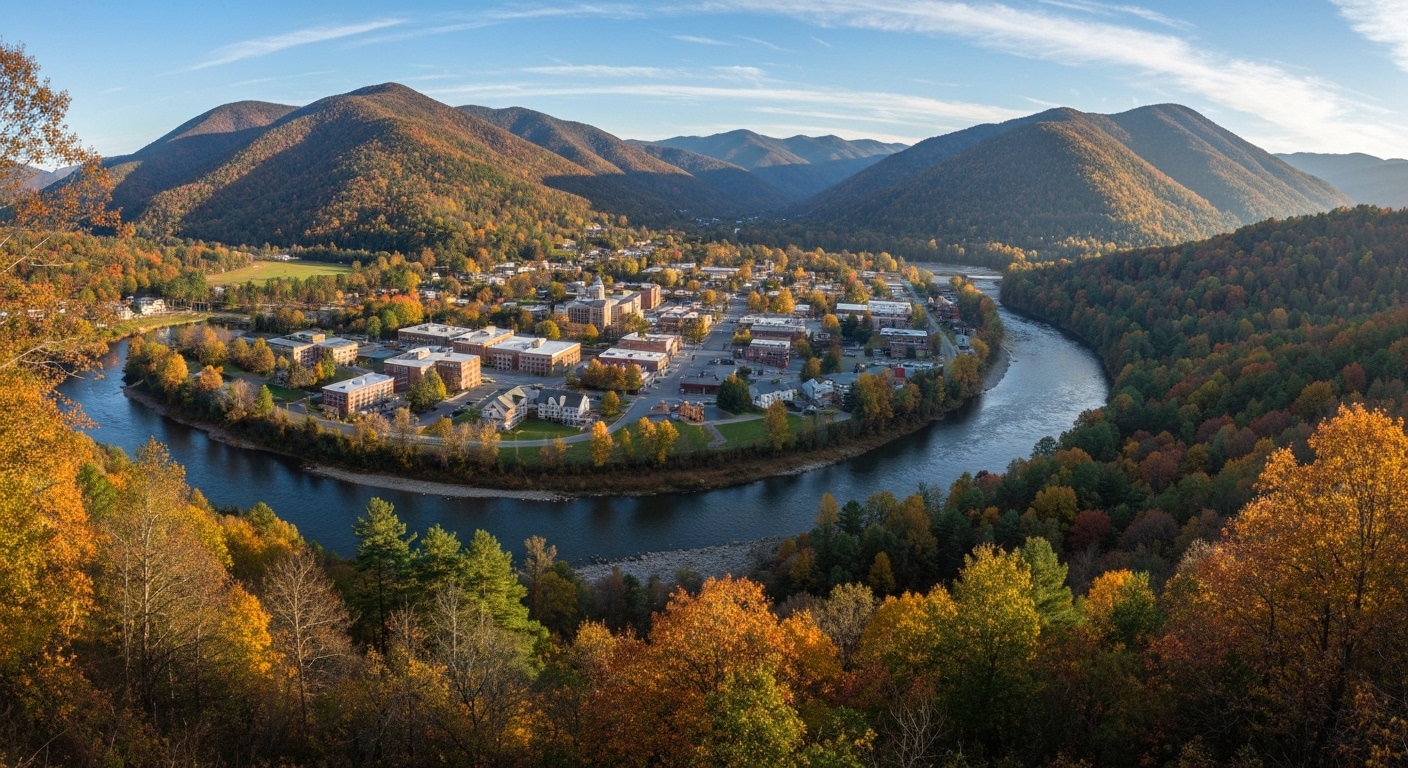
The Waterfall on the NC Side of the Smokies That Most Tourists Never Find

The Waterfall on the NC Side of the Smokies That Most Tourists Never Find

Mouse Creek Falls sits just over two miles up Big Creek Trail and sees a fraction of the foot traffic that Laurel Falls and Abrams Falls draw.

Read More →
Western NC Fishing Guides and Lodges Just Ranked Among the 10 Best in the Country

Western NC Fishing Guides and Lodges Just Ranked Among the 10 Best in the Country

The Tuckasegee, Nantahala, and Davidson rivers draw serious anglers from across the country — and the guides and lodges built around them just got national recognition.

Read More →
Franklin Is Redesigning Main Street and Wants Your Input Before It Happens

Franklin Is Redesigning Main Street and Wants Your Input Before It Happens

The Town of Franklin has two public meetings set for late May where residents can shape a major Main Street transformation plan.

Read More →

Posted in Community Guides
June 7, 2026

Living in Canton, NC: The Complete Guide (2026)

Living in Canton, NC: The Complete Guide (2026)

By Jon Tharp, Broker  ·  June 7, 2026

Quick Answer: Canton is a town of about 4,400 in Haywood County, North Carolina, roughly 19 miles and 25 minutes west of Asheville, where the median home sold for around $317,000 over the past year (as of June 2026). It is the value alternative to Asheville: a historic, blue-collar "Papertown" that lost its 115-year-old paper mill in 2023 and is reinventing itself as a cleaner, quieter Asheville bedroom community with a reviving downtown. The honest catch every buyer must understand is flood risk, the Pigeon River runs through downtown and has flooded three times in twenty years.

Canton at a Glance

Population About 4,400 (Town of Canton, Haywood County)
Median home price Around $317,000 over the past 12 months (as of June 2026)
Time on market Roughly 88 days, median (as of June 2026)
Elevation About 2,600 ft in town, higher on the Bethel and Beaverdam ridges
Drive to Asheville ~19 miles, ~25 minutes east via I-40
County + town tax Haywood $0.55 per $100 plus a Town of Canton rate (~$0.54), about $1.09 combined in city limits (confirm current town rate)
Water and sewer Town of Canton public water and sewer in town; private wells and septic on rural Bethel/Beaverdam parcels
Locally famous for 115 years as "Papertown," a paper mill that closed in 2023, Pisgah High football, and a Labor Day festival that has run for over a century

What does living in Canton actually mean for a buyer?

For most buyers today, Canton means getting Asheville-area access and real mountain-town character at a noticeably lower price, with a comeback story attached. It is 25 minutes from downtown Asheville, the median home is around $317,000 (as of June 2026), and the town is cleaner and quieter than its reputation now that the mill is gone.

Canton is a different kind of buy than a resort town like Maggie Valley. This is primarily a place people live full-time: working families, retirees, and a growing number of people who work in or near Asheville but want their money to go further. North Carolina does not tax Social Security, Haywood County's property tax is a low $0.55 per $100 (2025-26), and you are buying into a town actively rebuilding its identity, with a revitalizing downtown, a 450-acre mountain-bike park, and Pisgah National Forest at its back.

The honest part comes first, not last, because it matters most here: Canton floods. The Pigeon River runs right through downtown and produced major floods in 2004, 2021 (Tropical Storm Fred), and 2024 (Hurricane Helene). That does not mean avoid Canton. It means a property's elevation relative to the river is the single most important thing to check before you buy, and homes up on the Bethel and Beaverdam ridges carry a very different risk than riverfront and downtown lots. This guide covers all of it with real numbers.

Table of Contents

- What is the history of Canton and the paper mill? - What kind of town is Canton? - How serious is the flood risk in Canton? - What is happening with downtown Canton and the mill site? - What outdoor recreation is in and around Canton? - How much does it cost to buy a home in Canton? - What are the neighborhoods and areas in Canton? - How far is Canton from Asheville and the feeder cities? - What internet and utilities can you get in Canton? - What should out-of-state buyers know about mountain and river property here? - What are the schools like in Canton? - What is healthcare like near Canton? - What senior living options are near Canton? - What are the property taxes in Canton and Haywood County? - What are the seasons, weather, and elevation like? - Where do locals eat and shop in Canton? - What annual events happen in Canton? - How does Canton compare to nearby towns? - Is Canton right for you? - Frequently Asked Questions

What is the history of Canton and the paper mill?

Canton was a paper-mill town for 115 years, from 1908 until the mill closed in 2023, and that single fact shaped everything about the place, its name, its neighborhoods, its economy, and its identity. The town took the name Canton in 1893, after Canton, Ohio, which supplied the steel for the bridge built across the Pigeon River.

The mill is the story. Peter G. Thomson scouted Western North Carolina around 1905 for a pulp-mill site and chose Canton for its spruce timber, its land, and the Pigeon River. The Champion Fibre Company mill opened in 1908 with about 1,000 employees, and the company built whole neighborhoods, including Fibreville, to house workers. Over the decades the mill passed through Champion International, an employee buyout that created Blue Ridge Paper Products, then Evergreen Packaging, and finally Pactiv Evergreen.

The end came fast. Pactiv Evergreen announced the shutdown on March 6, 2023, and the mill officially closed on June 8, 2023, ending 115 years of operation and eliminating about 1,100 direct jobs, with total losses closer to 1,800 once logging, rail, and trucking were counted. North Carolina later won a $6.25 million settlement from Pactiv over a breached grant agreement. For a town built around one employer, it was an earthquake, and the community response, including emergency mental-health and health-insurance support, reflected how seriously local leaders took it.

What happens to the mill now matters to buyers. The mill site sold to Spirtas Worldwide, a St. Louis demolition and redevelopment firm, with the deal finalized in January 2025, and demolition began around March 2025 on a teardown expected to take eighteen months to two years. The long-term vision, sometimes called the "Milltown Moonshot," is a mix of industrial, commercial, and residential redevelopment, though as of 2026 those plans are still early. The near-term reality every buyer should expect: active construction, a town in transition, and a downtown rebuilding around a new identity.

See what is on the market in Canton

See Homes for Sale in Canton

What kind of town is Canton?

Canton is a tight-knit, proud, blue-collar town that is quietly turning into an Asheville bedroom community. With about 4,400 residents, it is bigger and more lived-in than the resort villages nearby, more working families and full-time residents than second homes and vacation rentals.

The culture runs deep. This is "Papertown" and the "Town of Champions," with a Pisgah High School football tradition and a Labor Day festival that has honored mill workers for over a century. Newcomers are welcomed, but the mill heritage and the local pride that comes with it are real, and worth respecting.

Here is the surprise for people who only knew Canton by reputation: it is cleaner and quieter than it used to be. For generations the mill brought jobs and also a distinctive smell that locals wryly called "the smell of money." With the mill closed since 2023, the air and water are noticeably better, and analysts expect that to lift home values over time as Canton's value-plus-proximity-to-Asheville story gets out. What Canton is not is a polished tourist town or a place with abundant nightlife and high-end shopping, for that, Asheville is 25 minutes east. Canton is for people who want an authentic, affordable mountain town on the upswing.

How serious is the flood risk in Canton?

Flood risk is the most important thing to understand before buying in Canton, and it is serious for low-lying and riverfront property: the Pigeon River has produced three major floods in about twenty years (2004, 2021, and 2024). It is also very manageable if you buy on higher ground and do your homework.

The record is specific. Tropical Storm Fred, on August 16-17, 2021, pushed the Pigeon River to about 19.6 feet and flooded downtown, including the town hall, police, and fire stations, with six deaths in the county and roughly $300 million in damage. Then Hurricane Helene crested the river at about 25.8 feet on September 28, 2024, higher than Fred and higher than the 2004 flood, the worst flooding in two centuries, before the town had even fully recovered from Fred. Canton has since received $24.5 million from the state for water and wastewater repairs, and recovery is ongoing into 2026.

For a buyer, this translates into a clear checklist. Downtown and riverfront lots sit in the floodplain and carry real, repeated risk; ridge and hillside homes in Bethel and Beaverdam are a completely different profile. A sobering statistic from the disaster: only about 0.8% of households in the affected counties carried flood insurance, so most flood-damaged owners were not covered. Before you buy anywhere near the river, verify the parcel's FEMA flood zone (an AE zone behaves very differently from an X zone), get a real flood-insurance quote, and check the home's elevation relative to the Pigeon. I do this with every buyer here, and it is the difference between a smart purchase and a painful one.

What is happening with downtown Canton and the mill site?

Downtown Canton is in the middle of a genuine revitalization, anchored by independent businesses, a historic theatre, and a riverside brewery, even as the old mill site next door is being demolished and reimagined. For a buyer, that means real momentum plus visible construction for the next couple of years.

The bright spots are easy to name. BearWaters Brewing Company sits on the Pigeon River downtown with a riverside patio, craft beer, and Southern-influenced food, and it has become a flagship of the comeback. Southern Porch serves Southern comfort food and live music out of the historic Imperial Hotel, the Colonial Theatre hosts concerts, films, and events, and spots like El Chapala round out an everyday dining scene that keeps growing as transplants open new businesses.

Next door, the 115-year-old mill is coming down. Spirtas Worldwide began demolition around March 2025, a process expected to run well into 2026 and beyond, with some historic structures possibly preserved and a long-term mixed-use redevelopment vision. The honest read for buyers: downtown Canton is an exciting place to bet on, but you are buying into a work in progress, expect ongoing construction, some businesses still reopening or relocating, and a few years before the mill-site future fully takes shape.

What outdoor recreation is in and around Canton?

Canton's recreation headliner is Chestnut Mountain Nature Park, a 450-acre town park with more than nine miles of mountain-bike and hiking trails, and it sits at the doorstep of Pisgah National Forest. For an outdoor buyer, that combination of an in-town trail park plus national-forest access is hard to beat at Canton's price point.

Chestnut Mountain is the local gem. It includes Berm Park, a bike skills and flow-trail area championed by YouTuber Seth Alvo of "Berm Peak," who rallied his following to help fund it, plus named trails like Papertown Express, High Roller, and Chain Whip for all skill levels, with hiking trails as well. Just south, through the Bethel community, US-276 climbs toward Pisgah National Forest, the Cradle of Forestry, Graveyard Fields, and the high country around Cold Mountain, Black Balsam Knob, and the Shining Rock Wilderness.

The Blue Ridge Parkway is within easy reach, both south through Bethel and via the Asheville-area entrances a short drive east. And the Pigeon River, the same river that floods, is also an amenity: a new floodable riverfront park is planned downtown that will give Canton the county's first public river-access point. For hiking, biking, and forest access close to a real town and close to Asheville, Canton punches above its weight.

How much does it cost to buy a home in Canton?

The median home in Canton sold for around $317,000 over the past twelve months, with a median of roughly 88 days on market and about 197 active listings at any given time (as of June 2026; aggregated listing data, ask me for a current address-specific read before you offer). Third-party data puts the typical home value near $306,000, which lines up with that low-$300s core band.

Canton's value story is the headline. You are roughly 25 minutes from Asheville, where comparable homes cost meaningfully more, so Canton draws buyers who want Asheville access without Asheville prices. The market is balanced to slightly soft, with a longer time on market than red-hot Asheville, which is good news for buyers who want room to negotiate and do proper due diligence. The core single-family band runs in the low-to-mid $300s; downtown and older homes sit at the lower end (with flood-zone considerations), while land and view parcels up in Bethel command a premium.

One genuine tailwind: with the mill closed and the air and water cleaner, several analysts expect Canton values to rise as the town's reputation catches up to its new reality. That makes it an interesting moment to buy the value alternative before the gap with Asheville narrows. You can browse current Canton homes for sale any time, or filter to mountain-view homes.

What are the neighborhoods and areas in Canton?

Canton breaks down into the walkable downtown core, the rural ridge-and-valley communities of Bethel and Beaverdam, and the Clyde-adjacent area near the hospital, and the right one depends heavily on how you weigh walkability, views, and, above all, flood risk.

Downtown Canton is the walkable historic core, near the brewery, the theatre, and the restaurants, with older, more affordable homes. It is the most "in-town" choice and the heart of the revitalization, but it is also the highest flood-risk tier, so flood-zone verification is essential here. Bethel, the rural valley south and southwest of town toward Pisgah National Forest, offers larger lots, agricultural character, mountain views, the Pisgah High School zone, and elevations around 2,500 to 2,600 feet, generally above the worst of the floodplain and popular with land, privacy, and view buyers. Beaverdam is a quieter creek-valley community near town with a similar rural-residential feel.

Just west, Clyde is the next town over and home to Haywood Regional Medical Center and the community college, so many buyers shop Canton and Clyde together for hospital proximity. Across all of these, the practical advice is the same: match the area to your priorities and your flood tolerance, and lean toward higher ground unless you go in clear-eyed about riverfront risk. For more land and privacy, browse land and homesites around Canton. And because Canton works so well as an Asheville-adjacent base, plenty of buyers also compare it with nearby Waynesville homes for sale and Asheville homes for sale.

How far is Canton from Asheville and the feeder cities?

Canton's headline advantage is how close it is to Asheville, about 19 miles and 25 minutes east on I-40, far closer than most WNC mountain towns. That proximity to a city with an airport, a major hospital, and a full economy is the core of Canton's appeal.

From Canton to Miles Drive time
Waynesville, NC ~9 mi ~15 min
Asheville, NC (and AVL airport) ~19 mi ~25 min
Greenville-Spartanburg, SC (GSP) ~72 mi ~1 hr 30 min
Charlotte, NC ~133 mi ~2 hr 10 min
Atlanta, GA ~170 mi ~3 hr
Jacksonville, FL ~450 mi ~7 hr

(Distances and times as of June 2026, via Google Maps / Rome2Rio; GSP, Atlanta, and Jacksonville figures are approximate.) The takeaway: you can live in an affordable mountain town and still be a half-hour from a city, a couple hours from Charlotte or Atlanta for family, and a day's drive from the Florida markets many buyers are leaving. Canton is car-dependent like the rest of rural WNC, but its short Asheville commute makes it realistic as a bedroom community in a way most mountain towns are not.

What internet and utilities can you get in Canton?

Internet in Canton is good in town and patchier on the rural ridges: cable covers most addresses, with fiber, 5G fixed wireless, and satellite filling in. As always, confirm the exact address before you count on it for remote work.

Provider Type Coverage in Canton Top speed Notes (as of Apr 2026)
Spectrum Cable ~69% of the area up to 2,000 Mbps from ~$30/mo intro; main option for most addresses
AT&T Fiber ~5% (select streets) up to 5,000 Mbps fastest where available, check by address
T-Mobile 5G fixed wireless much of town ~300-400 Mbps good backup/primary in town
Viasat Satellite ~97% varies legacy satellite
Starlink Satellite anywhere ~25-100 Mbps typical ~$120/mo + equipment; common on rural Bethel/Beaverdam parcels

(Coverage from BroadbandNow, ~April 2026.) On utilities, the Town of Canton provides public water and sewer within town limits, while rural parcels in Bethel and Beaverdam are typically on private wells and septic, verify which for any specific property. After the floods, resilience is a fair question: the town has invested $24.5 million in water and wastewater upgrades, and the storm-era failures of power and cell service are exactly why the buyer checklist below matters.

What should out-of-state buyers know about mountain and river property here?

Three realities catch out-of-state buyers off guard in Canton: flood zones, steep-slope rules, and shared private roads. In Canton, the flood-zone piece is the big one.

Flood zones first, because it is the defining local issue. Proximity to the Pigeon River and its tributaries drives a property's FEMA flood-zone classification, which drives flood-insurance requirements and cost and can affect financing. Given three major floods since 2004, this is non-negotiable due diligence: pull the FEMA zone, get a real insurance quote, and weigh elevation above the river. Ridge homes in Bethel are a different world from downtown riverfront.

Second, steep-slope and ridge rules. Haywood County has a Mountain Ridge Protection Ordinance (covering ridges at least 3,000 feet and 500-plus feet above the valley floor) and a Slope Ordinance (in effect since 2007) that set standards for building on steep terrain, so a high view lot may carry extra engineering and permitting before you can build. Third, road maintenance agreements: many rural homes sit on shared private or gravel roads, and you want a recorded Road Maintenance Agreement, because informal arrangements do not satisfy mortgage lenders and can shrink your resale pool. None of these should scare you off Canton; they are simply the homework, and I walk every buyer through them.

What are the schools like in Canton?

Canton's schools are part of the Haywood County Schools district, and the anchor is Pisgah High School, which rates well and is woven into the town's identity. For families, Canton is a more school-oriented choice than the resort towns nearby.

Pisgah High School earns solid marks (around 8 out of 10 on GreatSchools, a B-plus on Niche) and is a genuine community institution, its football field famously flooded in 2021 and was rebuilt. Bethel Elementary serves the Bethel community with similarly respectable ratings, and the district includes the other Canton-area elementary and middle schools. For buyers with school-age children, this is a real differentiator from second-home markets like Maggie Valley: Canton is a place families actually raise kids, with the school pride to match.

What is healthcare like near Canton?

Healthcare is a Canton strength: Haywood Regional Medical Center is in Clyde, about ten minutes away, and Mission Hospital in Asheville is about 25 minutes east. That is unusually good access for a small mountain town.

Haywood Regional is full-service, with an ER, surgery, orthopedics, cardiology, women's care, and behavioral health, plus a network of multi-specialty clinics and on-campus fitness and outpatient centers, and it runs an urgent care right in Canton. For major or specialized care beyond its scope, Mission Hospital in Asheville is the regional referral center a short drive away. For retirees in particular, having a capable hospital ten minutes out and a major medical center within half an hour is a meaningful advantage over more remote WNC towns.

What senior living options are near Canton?

Canton has a full-continuum senior community right in town: Silver Bluff Village, which has served Haywood County since 1962. Combined with the hospital ten minutes away, that makes Canton a practical choice for retirees thinking ahead.

Silver Bluff Village, at 100 Silver Bluff Drive on the Pigeon River, offers short-term rehab, skilled nursing, long-term care, and assisted living (its Pigeon Valley and Arrowhead Cove components), along with outpatient therapy and hospice and respite services. (Given its riverside location, it is worth asking about flood mitigation given the 2021 and 2024 events.) Additional independent and assisted-living communities cluster a short drive away in Waynesville and Clyde. The common pattern for retirees is to buy a home on higher ground in or near Canton for the lifestyle and the Asheville access, with the county's care options close at hand.

What are the property taxes in Canton and Haywood County?

Property tax in Canton has two parts: the Haywood County rate of $0.55 per $100 (2025-26) plus the Town of Canton municipal rate of about $0.54 per $100, for a combined in-town rate around $1.09 per $100 (confirm the current town rate against the adopted budget). On a $317,000 home, that combined rate works out to roughly $3,450 a year inside city limits; homes in unincorporated Bethel and Beaverdam pay county tax only, which is one reason rural buyers look just outside the town line.

North Carolina remains favorable for retirees on the income side: Social Security is not taxed by the state, the state income tax is a low flat rate that has been declining, certain government and military pensions are exempt under the Bailey settlement, and there is no estate tax. Property-tax relief programs exist for qualifying low-income elderly or disabled owners and for disabled veterans. This is informational context, not tax advice, so confirm current rates and your eligibility with a CPA.

What are the seasons, weather, and elevation like?

Canton sits around 2,600 feet on the valley floor, lower than the resort towns higher in the mountains, which means milder winters in town and bigger swings up on the Bethel and Beaverdam ridges. Elevation is still the key variable for any specific property.

You get four real seasons: warm-but-comfortable summers that beat the Piedmont and Florida heat, classic Southern Appalachian fall color, and winters that bring some snow, more on the ridges than on the valley floor. Because town sits lower than places like Maggie Valley, day-to-day winter access downtown is generally easier, while higher Bethel parcels see more snow and steeper, sometimes gravel, driveways where four-wheel or all-wheel drive earns its keep. South-facing lots get faster snowmelt and more winter sun. The one weather factor that dominates here is not snow, it is rain and the river, which the flood section covers in full.

Where do locals eat and shop in Canton?

Canton's dining is anchored by its downtown revival, with a riverside brewery and a historic-hotel restaurant leading the way, and full-scale shopping a short hop to Waynesville or Asheville. The scene is growing as transplants open new spots.

The names locals send you to: BearWaters Brewing on the river for craft beer and food, Southern Porch in the historic Imperial Hotel for Southern comfort and live music, the Colonial Theatre for shows and films, and everyday spots like El Chapala for Mexican. For groceries and bigger-box shopping, most residents run to nearby Clyde, Waynesville (Ingles, Walmart, and more), or Asheville, all close by. Canton itself covers the essentials, and the appeal is the walkable, independent, on-the-rise downtown rather than chain density, with everything else a short drive east.

What annual events happen in Canton?

Canton's signature event is the Canton Labor Day Festival, one of the oldest in the region, which has honored the town's paper-mill workers for over a century. It is the heart of the local calendar.

Held downtown around Sorrells Street Park over Labor Day weekend, the free festival brings live music, a handcraft expo with dozens of vendors, food trucks, a parade, a kids' zone, and the Pisgah school spirit that defines the town. Beyond Labor Day, the Colonial Theatre programs concerts, films, and community events year-round, and the broader Haywood County calendar of festivals and markets is minutes away. For a buyer, the events tell you what the town values: heritage, family, and a fierce local pride that survived the mill's closing.

How does Canton compare to nearby towns?

Canton is the value-and-proximity play: cheaper than Asheville, closer to Asheville than most mountain towns, and more of a real working community than the resort villages, with flood risk as its distinguishing trade-off. Here is the honest comparison.

Versus Asheville: Asheville offers the city, the airport, the major hospital, and the culture at a significant price premium; Canton gives you a 25-minute commute to all of it at a much lower cost of entry, with a small-town feel. Versus Waynesville (nine miles west): Waynesville has a more polished, tourist-friendly downtown and higher prices, while Canton is more affordable, more blue-collar, and closer to Asheville. Versus Clyde next door: very similar markets, with Clyde holding the hospital and community college; many buyers shop both together. And versus a resort town like Maggie Valley: Maggie is a second-home and short-term-rental market built around skiing and tourism, while Canton is a primary-residence, value, and Asheville-commuter town. If you want the mountains as a full-time, affordable home base near a city, Canton is hard to beat, just buy on the right ground.

Is Canton right for you?

Canton is a strong fit for value-minded buyers, families, retirees, and Asheville commuters who want an authentic, affordable mountain town on the way up and are comfortable doing careful flood-zone homework. If a 25-minute Asheville commute, low-$300s home prices, real schools, a reviving downtown, and trail-and-forest access sound right, and you choose your elevation wisely, Canton offers a lot for the money.

It is not the right fit for someone seeking a polished resort town, a turnkey vacation-rental investment, or a riverfront downtown lot without a clear-eyed read on flood risk. For a pure second-home-and-rental play, Maggie Valley or the Cashiers-Highlands area fits better; for in-town walkable tourism, Waynesville or Asheville does.

If you are thinking about buying in Canton, reach out and I will walk you through what is available, which areas sit safely above the river, and what your budget really buys in this market.

Frequently Asked Questions

Is Canton, NC a good place to live? For value-minded buyers, families, and Asheville commuters, yes. Canton offers low-$300s home prices (median around $317,000 as of June 2026), a 25-minute drive to Asheville, solid schools led by Pisgah High, a hospital ten minutes away in Clyde, and a reviving downtown, all at a meaningful discount to Asheville. North Carolina's retiree-friendly taxes (no tax on Social Security, low property tax) add to the appeal. The major caveat is flood risk along the Pigeon River, so buying on higher ground and verifying the FEMA flood zone is essential. People who want an authentic, affordable, full-time mountain town near a city tend to love Canton; those wanting a polished resort or turnkey vacation rental may prefer Maggie Valley or Waynesville.

How much does it cost to buy a home in Canton? The median home sold for around $317,000 over the past year, with a median of about 88 days on market and roughly 197 active listings (as of June 2026). The core single-family band runs in the low-to-mid $300s. Downtown and older homes sit at the lower end (with flood-zone considerations), while land and mountain-view parcels in Bethel command a premium. Canton is positioned as the value alternative to Asheville, about 25 minutes away, and several analysts expect prices to rise now that the mill has closed and air and water quality have improved. Ask me for a current, address-specific read before making an offer.

How bad is flooding in Canton? It is serious for low-lying and riverfront property and minimal for higher ground, so location within town matters enormously. The Pigeon River runs through downtown Canton and has produced three major floods in about twenty years: 2004, Tropical Storm Fred in 2021 (river at ~19.6 ft, six county deaths, ~$300M damage), and Hurricane Helene in 2024 (~25.8 ft, the worst in two centuries). Downtown and riverfront lots sit in the floodplain; ridge and hillside homes in Bethel and Beaverdam are a different risk profile. Before buying anywhere near the river, verify the FEMA flood zone, get a flood-insurance quote, and check elevation relative to the Pigeon. Only about 0.8% of households in the affected counties carried flood insurance, so this is the top due-diligence item.

How far is Canton from Asheville? Canton is about 19 miles and 25 minutes east of Asheville via I-40, which is its biggest advantage, closer to a major city than almost any other WNC mountain town. Asheville provides the regional airport, Mission Hospital, and a full city's worth of shopping, dining, and culture. Waynesville is about nine miles west (~15 minutes), and Clyde, with Haywood Regional Medical Center, is about ten minutes away. For feeder-market buyers, Canton is roughly 2 hours 10 minutes from Charlotte, about 3 hours from Atlanta, and about 7 hours from Jacksonville.

What happened to the Canton paper mill? The Pactiv Evergreen paper mill, which had operated in various forms since 1908, announced its closure on March 6, 2023, and officially shut down on June 8, 2023, ending 115 years of operation and eliminating about 1,100 direct jobs (closer to 1,800 counting related industries). North Carolina won a $6.25 million settlement from Pactiv. The mill site sold to Spirtas Worldwide, with demolition beginning around March 2025 on a teardown expected to take 18 months to two years, and a long-term mixed-use redevelopment vision. For residents, a real upside followed: with the mill gone, the air and water are cleaner, which many expect to lift home values over time.

What are the property taxes in Canton? Property tax combines the Haywood County rate of $0.55 per $100 (2025-26) with the Town of Canton municipal rate of about $0.54 per $100, for roughly $1.09 per $100 combined inside city limits (confirm the current town rate). On a $317,000 home that is about $3,450 a year in town; unincorporated Bethel and Beaverdam properties pay county tax only. North Carolina does not tax Social Security, has a low flat income tax, exempts certain pensions under the Bailey settlement, and has no estate tax. Confirm current rates and exemptions with a CPA.

What is there to do outdoors in Canton? Quite a lot for a town this size. Chestnut Mountain Nature Park offers 450 acres with more than nine miles of mountain-bike and hiking trails, including Berm Park, a bike skills area funded with help from YouTuber Seth Alvo. Just south through Bethel, US-276 leads into Pisgah National Forest toward Graveyard Fields, the Cradle of Forestry, Cold Mountain, Black Balsam Knob, and the Shining Rock Wilderness. The Blue Ridge Parkway is a short drive, and a new floodable riverfront park downtown will add the county's first public Pigeon River access point.

What are the schools like in Canton? Canton is part of Haywood County Schools, anchored by Pisgah High School, which earns solid ratings (about 8/10 on GreatSchools, B-plus on Niche) and is a genuine community institution. Bethel Elementary serves the Bethel community with respectable ratings, alongside the other Canton-area elementary and middle schools. Compared with the second-home resort towns nearby, Canton is much more of a place families raise children, with the school spirit, especially around Pisgah football, to match.

Is Canton a good Asheville bedroom community? Yes, that is arguably its best use case. At about 25 minutes from downtown Asheville on I-40 and with a median home price around $317,000, Canton lets buyers work in or near Asheville while paying considerably less for a home. The town has already begun shifting in that direction, and with the mill's pollution gone, its appeal as a cleaner, quieter, affordable base near the city is growing. The trade-off remains flood risk near the river, so commuters who buy on higher ground get the best of both worlds.

Where is the nearest hospital and airport? The nearest hospital is Haywood Regional Medical Center in Clyde, about ten minutes from Canton, with a full ER, surgery, and specialty clinics, plus an urgent care in Canton itself. For major or specialized care, Mission Hospital in Asheville is about 25 minutes east. Asheville Regional Airport, the closest commercial airport, is roughly 30 to 40 minutes away with a growing slate of direct flights.

About the Author

Jon Tharp is a licensed NC real estate broker with Keller Williams. He's helped buyers and sellers across Western North Carolina for over 10 years, specializing in mountain homes, land, and short-term rental investments, with offices throughout WNC covering all mountainous areas. If something in this post has you thinking about a move, he's easy to reach — (828) 347-9055 or smokymountainhomes4sale.com or Jon@jontharphomes.com.

Ready to Find Your Mountain Home Near Canton?

Whether you're looking to buy, considering a short-term rental investment, or ready to sell, the Jon Tharp Team brings deep local knowledge and marketing that puts your home in front of 50,000+ buyers in the first 30 days.

Search available homes across Western NC or call Jon directly at (828) 347-9055.

Talk to Jon

What Our Clients Say

43 five-star Google reviews  —  read them all on Google

★★★★★

"Jon is hands down the most dedicated and knowledgeable realtor that I have ever worked with. His expertise made the entire process of selling my home and finding a new one a smooth process."

Amy Davis  ·  2025

★★★★★

"Jon & his team are the greatest! Very professional, friendly like your neighbor, and always get back to your texts, phone calls & emails within minutes or same day, not days or weeks."

Cynthia Oelschlager  ·  2025

★★★★★

"I can’t say enough good things about Jon and his team. I was looking for investment properties and Jon spent time researching where would be a good place for an Airbnb — he found 2 beautiful properties."

Diane Cogswell  ·  2025

More from the Blog
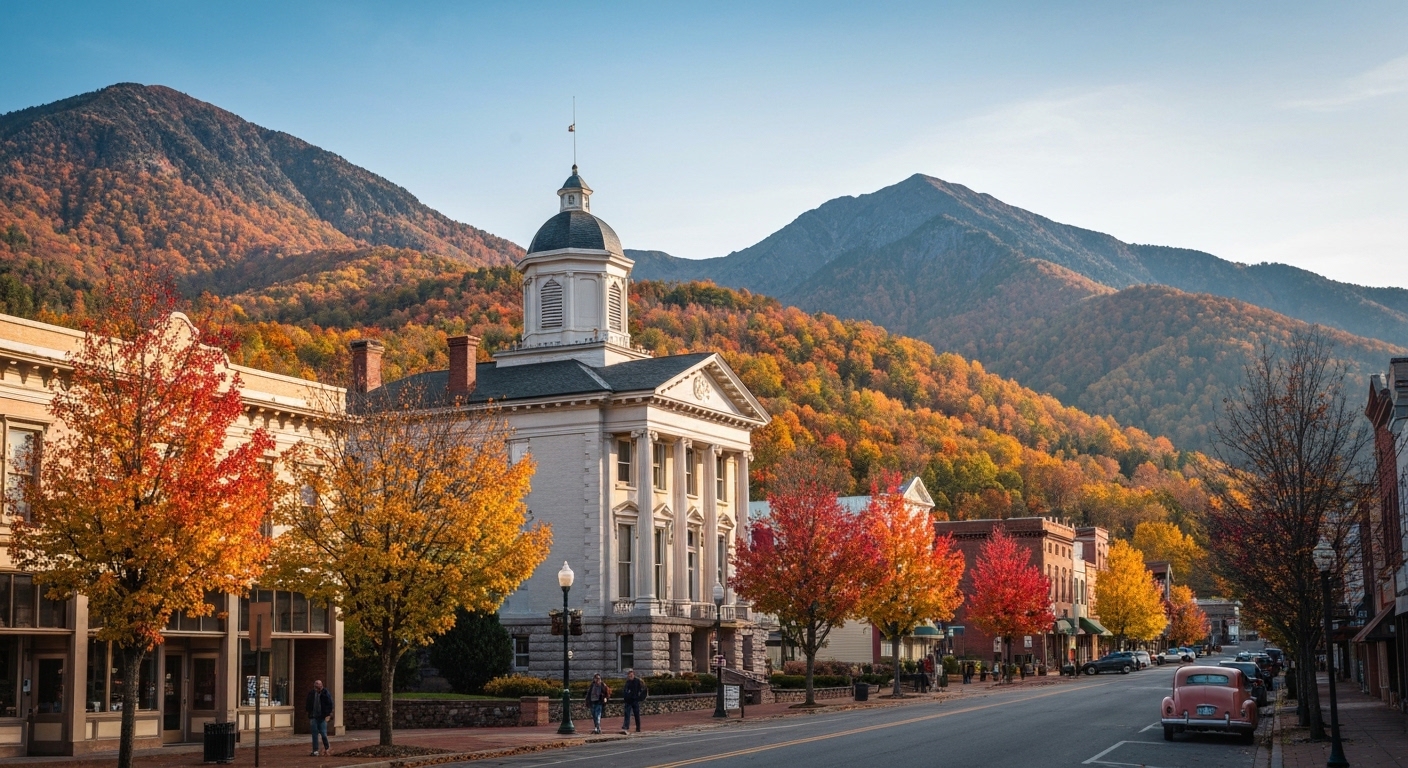
The Waterfall on the NC Side of the Smokies That Most Tourists Never Find

The Waterfall on the NC Side of the Smokies That Most Tourists Never Find

Mouse Creek Falls sits just over two miles up Big Creek Trail and sees a fraction of the foot traffic that Laurel Falls and Abrams Falls draw.

Read More →
Western NC Fishing Guides and Lodges Just Ranked Among the 10 Best in the Country

Western NC Fishing Guides and Lodges Just Ranked Among the 10 Best in the Country

The Tuckasegee, Nantahala, and Davidson rivers draw serious anglers from across the country — and the guides and lodges built around them just got national recognition.

Read More →
Franklin Is Redesigning Main Street and Wants Your Input Before It Happens

Franklin Is Redesigning Main Street and Wants Your Input Before It Happens

The Town of Franklin has two public meetings set for late May where residents can shape a major Main Street transformation plan.

Read More →

Posted in Community Guides
June 5, 2026

Living in Maggie Valley, NC: The Complete Guide (2026)

Living in Maggie Valley, NC: The Complete Guide (2026)

By Jon Tharp, Broker  ·  June 7, 2026

Quick Answer: Maggie Valley is a small mountain resort town of about 1,300 residents in Haywood County, North Carolina, 35 miles and roughly 40 minutes west of Asheville, where the median home sold for around $350,000 over the past year (as of June 2026). It is built for retirees and second-home buyers who want four real seasons, lift-served skiing inside town limits at Cataloochee, a national park with a wild elk herd next door, and mountain-resort energy year-round, at prices well below Asheville. The honest trade-off: serious shopping and specialist healthcare are a short drive east in Waynesville and Asheville.

Maggie Valley at a Glance

Population About 1,300 full-time residents (Town of Maggie Valley, Haywood County)
Median home price Around $350,000 over the past 12 months (as of June 2026)
Time on market Roughly 107 days, median (as of June 2026)
Elevation About 3,000 ft on the valley floor, over 4,500 ft on the ridges and at Soco Gap
Drive to Asheville ~35 miles, ~40 minutes east via US-19 to I-40
County property tax $0.55 per $100 (Haywood, 2025-26), plus a town rate inside city limits
Water and sewer Maggie Valley Sanitary District in-district; private wells and septic on the ridges
Locally famous for A Wild West ghost town stranded on the mountain for years, a wild elk herd next door, and being named after a postmaster's little girl

What does living in Maggie Valley actually mean for a retiree?

For most buyers here, Maggie Valley means a four-season mountain life at a price that still pencils out on a fixed income. Most people buying today are retiring or buying a second home, and they are usually coming from Atlanta, Charlotte, Greenville, or Florida.

Your dollar goes further here than almost anywhere within an hour of Asheville. A cabin with a real mountain view in Maggie Valley costs what a condo costs closer to the city. North Carolina does not tax your Social Security, Haywood County's property tax is a low $0.55 per $100 of value (2025-26), and the state income tax is flat and falling. For a couple living on a fixed income, that combination is the quiet reason so many retirees land here instead of the better-known mountain towns.

Then there is the lifestyle. Summers are cool when the places you are leaving are brutal. Fall is the kind of color people drive hours to see, and you will have it out your window. And Maggie Valley has a trick no other Southern retirement town can match: when the grandchildren visit, you can take them skiing at Cataloochee Ski Area in the morning and watch a herd of wild elk in a national park valley by evening. That is not a brochure line. It is a Tuesday.

The trade-off, because you deserve it plainly: Maggie Valley is small. Big grocery runs, specialists, and serious shopping are fifteen minutes to an hour east. For an active retiree, that is a fair and easy deal. For someone with ongoing medical needs who wants everything around the corner, Waynesville or Asheville is the smarter base. This guide walks through all of it, the market, the drive times, the internet, the taxes, the neighborhoods, and the flood risk you must understand, so you can decide with clear eyes.

Table of Contents

- What is the history of Maggie Valley? - What kind of town is Maggie Valley? - Is there really skiing in Maggie Valley? - Where can you see wild elk near Maggie Valley? - What is Wheels Through Time and why do riders love Maggie Valley? - What outdoor recreation is around Maggie Valley? - What about water and fishing in Maggie Valley? - How much does it cost to buy a home in Maggie Valley? - What are the neighborhoods and named areas in Maggie Valley? - How far is Maggie Valley from Asheville, Atlanta, and the feeder cities? - What internet and utilities can you get in Maggie Valley? - What should out-of-state buyers know about mountain property here? - Is new construction available in Maggie Valley? - Can you short-term rent a property in Maggie Valley? - What is healthcare like near Maggie Valley? - What senior living options are near Maggie Valley? - What are the property taxes in Maggie Valley and Haywood County? - What are the seasons, weather, and elevation like? - Where do locals eat and shop in Maggie Valley? - What annual events happen in Maggie Valley? - How did Hurricane Helene affect Maggie Valley? - How does Maggie Valley compare to nearby towns? - Is Maggie Valley right for you? - Frequently Asked Questions

What is the history of Maggie Valley?

Maggie Valley was named in 1904 for a postmaster's daughter, Maggie Mae Setzer, and grew from an isolated farming valley into a mountain resort town built around the automobile and the tourist. That arc explains the town you see today.

The story starts, like most of these mountains, with the Cherokee. Soco Gap, the high pass at the western end of the valley, was a Cherokee route for centuries, and the Qualla Boundary, home of the Eastern Band of Cherokee Indians, sits just over that gap to the west. When a settler named John Sidney "Jack" Setzer applied to open a post office, the story goes that he submitted his daughters' names and the postal service chose Maggie, for his daughter Maggie Mae. The Maggie Valley post office was established on May 10, 1904, and the name stuck to the whole valley.

For its first half-century the valley was farms, homesteads, and timber, reached mainly over Soco Gap. The automobile changed everything. As families began driving the Blue Ridge for vacation in the mid-twentieth century, the valley reinvented itself around them. The defining moment came in 1961, when Ghost Town in the Sky, a Wild West theme park, opened on top of Buck Mountain above the valley, reachable by chairlift and incline railway. It turned Maggie Valley into a major family destination, and motels and attractions multiplied along Soco Road.

Two more institutions set the town's identity. Cataloochee Ski Area opened in the early 1960s, giving Maggie Valley a genuine winter season. And the valley became a center of Southern Appalachian clogging and bluegrass, a mountain-music hub for decades. The town incorporated on April 12, 1974, with Clarence "Woody" Fowler as its first mayor.

Maggie Valley has weathered the ups and downs that come with a tourism economy. Ghost Town in the Sky, the attraction that put the valley on the map, has been closed for years through a long series of ownership changes and failed revivals, and as of 2026 it remains closed despite periodic talk of a sale. Yet the valley's core identity, a mountain resort town built for visitors and the people who fall in love with it and stay, has not changed.

See what is on the market in Maggie Valley

See Homes for Sale in Maggie Valley

What kind of town is Maggie Valley?

Maggie Valley is a resort town first and a residential community second, and that order explains almost everything about living here. The full-time population inside town limits is small, around 1,300, but the valley and its ridges hold thousands more part-time residents, vacation cabins, and rental properties. The economy runs on tourism, hospitality, and the second-home market, and Soco Road (US-19) is the spine everything strings along.

Who actually lives here is mostly retirees, second-home owners, hospitality and small-business workers, and a growing number of remote workers. It skews older and quieter than a family town. You will not find a bustling job market or a big school-age population; you will find neighbors who chose this valley on purpose, many after years of vacationing here first.

A Saturday looks like breakfast at a long-standing diner, a drive up to the Parkway or into the national park, maybe a rally or festival at the Festival Grounds in season, and a quiet evening with the sound of Jonathan Creek. It is unpretentious and outdoor-oriented, not polished and walkable. If you want a lively historic downtown with a courthouse square, that is Waynesville, fifteen minutes east, and many Maggie Valley residents treat Waynesville as their "town." The kindest thing I can tell a buyer is what Maggie Valley is not: it is not a place for people who need shopping, nightlife, or a short commute. It is for people who want the mountains to be the whole point.

Is there really skiing in Maggie Valley?

Yes. Cataloochee Ski Area is the southernmost ski area in the eastern United States, and it sits right in Maggie Valley with a 5,400-foot summit, a 4,660-foot base, and a 740-foot vertical drop across 50 acres and 18 slopes.

One hundred percent snowmaking coverage lets Cataloochee run a roughly 125-day season even in a warm winter, and it is often one of the first resorts in the Southeast to open. For a retiree, it is less about black diamonds and more about lifestyle: it is the reason the grandchildren never turn down an invitation. Rentals and lessons run out of Cataloochee Ski and Sports at 3434 Soco Road, and for the youngest visitors and non-skiers there is Tube World at 4721 Soco Road, with up to 12 tubing lanes on a Magic Carpet lift, a 42-inch height requirement, and a small "Wee Bowl" area for toddlers.

The practical point for a buyer is what this does for the town. Cataloochee gives Maggie Valley a true winter economy, which is rare in the Southern mountains. Restaurants and rentals stay active in January, the town does not shut down after leaf season, and short-term rental demand has a winter peak on top of the summer and fall ones. A four-season town holds its value and its energy in a way a summer-only town does not.

Where can you see wild elk near Maggie Valley?

In the Cataloochee Valley, a section of Great Smoky Mountains National Park just north of town that is home to a reintroduced elk herd now numbering more than 200 animals. It is one of the best and least crowded corners of the park.

Elk had been gone from these mountains for well over a century when the park released 25 Rocky Mountain elk into Cataloochee on February 2, 2001, followed by another 27 in 2002. Bulls now weigh 600 to 1,000 pounds, and watching them graze the meadows at dawn or dusk, especially during the fall rut when the bulls bugle, is one of the great free experiences in the region. The valley also preserves historic structures from the settlement that predated the park, including Palmer Chapel (1898) and the Caldwell House (1909).

Getting there is part of the character. The Cataloochee Valley is reached via Cove Creek Road off I-40 Exit 20, an 11-mile route that includes the historic Cataloochee Turnpike, about three miles of which is unpaved gravel that climbs and winds over a ridge. It keeps the crowds down and the experience authentic, and it stays far quieter than the Cades Cove or Newfound Gap sides of the park.

What is Wheels Through Time and why do riders love Maggie Valley?

Wheels Through Time is a nationally significant vintage motorcycle and automobile museum at 62 Vintage Lane in Maggie Valley, billed as "America's Shrine to Vintage Motorcycles," and it has made the town a pilgrimage stop for riders.

Founded by the late Dale Walksler, the museum holds one of the most important collections of rare American motorcycles and vintage vehicles in the country, and its slogan, "The Museum That Runs," is literal: nearly every machine is kept in running condition. It is typically open seasonally, roughly April through November (verify current days and hours before a visit, as they vary).

That museum, plus the famous riding roads of the region, makes motorcycle tourism a real part of the warm-season economy, and the Maggie Valley Festival Grounds host motorcycle rallies through the riding season that fill the town. For a resident, the motorcycle scene is part of the texture of the place, not something you must join. It brings visitors and dollars in spring, summer, and fall, and combined with the winter ski season, it is another reason Maggie Valley stays busy across the calendar instead of going dark for half the year.

What outdoor recreation is around Maggie Valley?

Maggie Valley sits between the Blue Ridge Parkway at Soco Gap and Great Smoky Mountains National Park, so the recreation is exceptional for a town this size. Hiking, the Parkway, the national park, waterfalls, and trout streams are all within a short drive.

The Parkway crosses just west of town at Soco Gap, opening overlooks, picnic areas, and trail access along the high ridges; the Heintooga Spur Road leads to high-elevation trails and the Mile High Overlook. The national park's Cataloochee side offers hikes among the elk and historic buildings, and the broader park has hundreds of miles of trail within reach. Closer in, Soco Falls, a striking double waterfall, sits right off US-19 between Maggie Valley and Cherokee with a short walk to the viewing platform.

Hiking around Maggie Valley ranges from easy valley and Parkway walks to serious climbs in the Plott Balsams and the national park, so the experience scales to whatever shape you are in. Beyond hiking there is trout fishing, horseback riding, and scenic driving, and in winter the same terrain feeds Cataloochee's snowmaking. For an outdoor-minded retiree, the point is variety within a short drive: you are not committing to one activity, you are buying access to most of them.

What about water and fishing in Maggie Valley?

Jonathan Creek runs the length of Maggie Valley and is a North Carolina Mountain Heritage Trout Water, stocked with rainbow, brown, and brook trout, with public access along US-19. It defines the town, and as the flood section explains, it is also the town's main risk.

Fifteen minutes east toward Waynesville is Lake Junaluska, a roughly 200-acre lake centered on a historic Methodist conference and retreat center, with a popular walking path around the water. Fishing there includes bass, bluegill and other panfish, and catfish; access for non-residents centers on specific points such as the public area near the dam, so confirm current policies. For serious anglers, the wild trout fishing inside the national park is some of the cleanest in the East, and Cataloochee Creek and the park's streams hold wild trout (a North Carolina or Tennessee license plus park rules apply).

For a buyer, a creek-side property is appealing for the sound and the setting, but it deserves a careful look at elevation and flood history before you commit. That brings up the single most important caution in this guide, covered in the Hurricane Helene section below.

How much does it cost to buy a home in Maggie Valley?

The median home in Maggie Valley sold for around $350,000 over the trailing twelve months, with a median of roughly 107 days on market and several hundred active listings at any given time (as of June 2026; aggregated listing data, ask me for a current address-specific read before you offer).

Two things make this market different from a place like Franklin or Hendersonville. First, the property mix is unusually broad. Listings run from small one-bedroom cabins and condos under $200,000 to ridge-top homes well over a million, with a lot of raw land and lots in between, so the median hides a real range. What you pay depends heavily on elevation, view, road access, and whether the property is set up to rent. Entry-level here is a modest cabin or condo; the mid-range buys a solid mountain home with a view; the top end buys serious acreage, big views, or a luxury build.

Second, a large share of the market is second homes and short-term rental cabins. Many buyers are not relocating full-time; they want a getaway that pays part of its own way through vacation rental income. That keeps steady demand for turnkey cabins with good views and a rental history, and it means inventory behaves differently than in an owner-occupied town. For a full-time buyer the upside is selection and value; the watch-out is that some pockets are dominated by rentals rather than year-round neighbors, so if a true neighborhood feel matters, we will steer toward the areas that have it. You can browse current Maggie Valley homes for sale any time, or jump straight to mountain-view homes or log cabins.

What are the neighborhoods and named areas in Maggie Valley?

Maggie Valley is best understood by its named valleys, coves, and ridges, because each is a different living experience at a different elevation and price. The big distinction is valley floor versus ridge: the floor is easiest to reach and closest to the creek and its flood plain, while the ridges trade a steeper driveway for views, privacy, and more snow.

The Jonathan Creek Valley is the main corridor, running the length of town along Soco Road. It has the flattest lots, the easiest year-round access, and proximity to restaurants and shops, with the trade-off of sitting closest to the creek and the flood zone. Branching off it are named coves like Campbell Creek and Evans Cove (both state-maintained roads, and the source of the town's drinking water), which give you a quieter, semi-rural feel a few minutes off the main road. Climbing higher, Sheepback Mountain, Cranberry Falls, and Smoky Falls are established ridge and mountainside communities, some with HOAs and active listings, where you buy for the views and the privacy. Areas like Fie Top and Rich Cove round out the local geography buyers will hear named.

The standout planned community is Maggie Valley Club & Resort, a golf-course community with homes, condos, and resort amenities, the closest thing the valley has to a country-club setting; the historic Cataloochee Ranch area on the mountain above town carries its own prestige. Many retirees also widen the search east toward Waynesville and Lake Junaluska for more services and gated or golf options, sometimes at lower county-only tax rates. I keep a current read on which communities allow short-term rentals and what their HOA dues cover, since those change, and I will verify the specifics for any community you are considering.

How far is Maggie Valley from Asheville, Atlanta, and the feeder cities?

Maggie Valley is about 35 miles and 40 minutes from Asheville, and within a half-day drive of the major Southeastern cities most buyers move from. The town's spine is US-19 (Soco Road): west it climbs over Soco Gap into Cherokee and Great Smoky Mountains National Park, and east it feeds US-23/74 to I-40 for the clean run to Asheville and beyond.

From Maggie Valley to Miles Drive time
Asheville, NC (and AVL airport) ~35 mi ~40 min
Greenville-Spartanburg, SC (GSP) ~88 mi ~1 hr 45 min
Charlotte, NC ~125 mi ~2 hr 20 min
Atlanta, GA ~177 mi ~3 hr 5 min
Jacksonville, FL ~467 mi ~6 hr 45 min

(Distances and times as of June 2026, via Google Maps / Travelmath; Greenville and Jacksonville figures are approximate.) The practical takeaway: you are 40 minutes from a city with a regional airport and a major hospital, a couple hours from Charlotte or Atlanta for family visits, and a single day's drive from the Florida markets many retirees are leaving. Maggie Valley is a car-dependent town with no meaningful public transit, which is a non-issue for most residents but worth weighing if you cannot or prefer not to drive.

What internet and utilities can you get in Maggie Valley?

Internet availability in Maggie Valley depends heavily on the exact address: cable and fiber cover most of the valley floor and developed slopes, while the higher and more remote parcels rely on fixed wireless or Starlink. Here is the current provider picture.

Provider Type Coverage in Maggie Valley Top speed Price (as of Jun 2026)
Spectrum Cable ~93% of homes up to 1,000 Mbps from ~$50/mo intro
SkyRunner Fiber ~41% of town up to 1,000 Mbps varies by plan
SkyRunner Fixed wireless ~88% of town 25-500 Mbps varies by plan
Spectrum Fiber ~22% (select areas) up to 1,000 Mbps varies
AT&T DSL / limited available in parts varies varies
Frontier DSL regional 10-115 Mbps varies
Starlink Satellite 100% (any address) ~25-100 Mbps typical ~$120/mo + equipment

(Coverage and pricing as of June 2026; sources include BroadbandNow and provider sites. Confirm the exact speed available at any specific address before you count on it for remote work.)

Water and sewer matter just as much, and they split along the same valley-versus-ridge line. The Maggie Valley Sanitary District (founded 1962) supplies public water drawn from Campbell Creek and Jonathan Creek to in-district homes, and the Town of Maggie Valley operates public sewer covering roughly 15 square miles along the Jonathan Creek valley from Fie Top Road to I-40 (over 46 miles of gravity sewer line). Homes on the higher ridges and outside the district are on private wells and septic systems instead. Post-Helene, a lot of buyers ask hard questions about resilience, what happens to your water, power, and internet in the next storm, and the answer depends a great deal on whether you are on public systems in the valley or self-reliant on the ridge. Verify the water, sewer, and internet situation for the specific parcel, not the town in general.

What should out-of-state buyers know about mountain property here?

Three things surprise out-of-state buyers most: shared private roads, steep-slope rules, and flood-zone realities. None of them should scare you off, but each can affect what you can buy, build, finance, and insure, so know them before you write an offer.

First, road maintenance agreements. Many mountain homes sit on private or shared gravel roads, and the question of who maintains and plows them matters. A recorded Road Maintenance Agreement (RMA) spells out how neighbors split the cost; an informal "we all chip in when it needs gravel" handshake does not satisfy mortgage underwriters and can shrink the buyer pool to cash only when you go to sell. If a property you like has no recorded RMA, that is a fixable issue, but one to address with a real estate attorney before closing.

Second, steep-slope and ridge rules. Haywood County has a Mountain Ridge Protection Ordinance (Chapter 153) covering ridges at least 3,000 feet in elevation and 500 or more feet above the adjacent valley floor, and a Slope Ordinance (Chapter 158, in effect since March 1, 2007) that sets standards for building on steep terrain. For a buyer, this means a beautiful high lot may carry extra engineering and permitting requirements before you can build, so confirm what a parcel actually allows.

Third, flood zones and insurance. In this valley, proximity to Jonathan Creek and its tributaries drives a property's FEMA flood-zone classification, which in turn drives flood-insurance requirements and cost and can affect financing. Two homes a few hundred feet apart can sit in completely different zones. For any property near the water, I will help you pull the FEMA flood zone, the flood history, and real insurance numbers before you remove due diligence.

Is new construction available in Maggie Valley?

Yes, but it is a custom and small-scale market, not a tract-home one. Steep terrain limits large subdivisions, so most new building is individual custom homes or small developments on view lots.

That has real cost implications. Building on mountain terrain means site work, grading, retaining walls, longer driveways, and utility runs that add meaningfully to the base cost, and a steep or hard-to-access lot can add a large premium before the house is framed. Combined with the steep-slope rules above, that makes lot selection the most important decision in any new build. For many retirees an existing home is the simpler path, but new construction is very doable on the right lot, evaluated for slope, access, water and septic, and winter drivability. If building appeals to you, browse current land and homesites in Maggie Valley. I am glad to walk a prospective lot with you and a local builder before you commit.

Can you short-term rent a property in Maggie Valley?

In most cases yes, and short-term rentals are central to the local market, but the rules depend on the exact property. A large share of the valley's cabins and condos operate as vacation rentals, and the winter ski season plus summer and fall tourism gives Maggie one of the stronger small-market rental calendars in the region. You can see what is currently available among Maggie Valley short-term-rental and income properties.

That said, rules can differ between properties inside the Town of Maggie Valley and those in unincorporated Haywood County, and a homeowners association can add its own restrictions. Before buying with a rental plan, verify the current town registration or permitting, occupancy and parking limits, the room occupancy (lodging) tax, and any HOA rules for the specific property. Underwrite conservatively using realistic occupancy and the higher maintenance a mountain climate demands, and confirm the rental history if the cabin is already operating. Turnkey cabins with a proven booking record and strong views command a premium for good reason, and I can help you separate a genuinely strong rental from an optimistic pro forma.

What is healthcare like near Maggie Valley?

The nearest hospital is Haywood Regional Medical Center in Clyde, about twenty to twenty-five minutes east, with emergency, surgical, and outpatient services. Maggie Valley itself is a small town without a hospital, so healthcare means looking to the county and to Asheville.

Waynesville, fifteen minutes away, adds primary care, urgent care, pharmacies, dentists, and the everyday medical services a resort town lacks. For major and specialized care, most residents drive about an hour east to Mission Hospital in Asheville, the largest medical center in Western North Carolina. For retirees specifically, this deserves clear thought: if you are healthy and active, a capable hospital twenty minutes away and a major medical center within an hour is more than adequate. If you have ongoing conditions that mean frequent specialist visits, plan around the drive, or weigh a home closer to Waynesville or Asheville.

What senior living options are near Maggie Valley?

The fuller range of senior living sits in the Waynesville and Clyde area, a short drive east, since Maggie Valley itself is small. Retirees here generally split into active retirees buying a home to live independently and those who want the continuum of care nearby.

For that continuum, Silver Bluff Village in Canton has served Haywood County since 1962 and offers a full range on one campus, assisted living (Pigeon Valley), skilled nursing, rehabilitation, and long-term care. The Waynesville area adds more assisted-living, memory-care, and skilled-nursing options within a short drive (names and care levels change, so confirm current offerings and availability when the time comes). The common pattern is to settle in Maggie Valley for the lifestyle while planning around the county seat for services, which works well given how close the two are. For independent-living retirees, the most important planning decision is the property itself: a ridge-top home with a steep driveway is a very different proposition at 80 than at 65.

What are the property taxes in Maggie Valley and Haywood County?

The Haywood County property tax rate is $0.55 per $100 of assessed value for 2025-26, which is about $1,925 a year on a $350,000 home or $2,750 on a $500,000 home, before any town rate. Properties inside the Town of Maggie Valley pay an additional municipal rate on top of the county rate; homes in the unincorporated valley and ridges pay county tax only, which is one reason some buyers look just outside the town line.

North Carolina is favorable for retirees on the income side. Social Security is fully exempt from state income tax, the state income tax is a flat rate that has been stepping down (3.99% in 2026, scheduled to keep falling), military retirement pay is fully exempt, and the state has no estate or inheritance tax. Two programs are worth knowing if you qualify: the North Carolina Elderly or Disabled Homestead Exclusion (excludes the greater of $25,000 or 50% of assessed value for owners 65+ or totally disabled, under an income limit) and a $45,000 assessed-value exclusion for honorably discharged veterans with a 100% permanent and total service-connected disability. This is informational context, not tax advice, so confirm current rates and your eligibility with a CPA, but for most retirees the North Carolina tax picture is a real part of why the mountains pencil out.

What are the seasons, weather, and elevation like?

Maggie Valley's weather is a function of elevation, and elevation varies a lot over a short distance: the valley floor sits around 3,000 feet while the ridges and Soco Gap climb past 4,500 feet. Conditions at a creek-side cabin and a ridge-top home a few miles apart can be noticeably different, and that is the single most useful thing to understand before choosing a home.

Summers are the calling card, comfortable days and cool nights, a real escape from the heat of the Piedmont, the Deep South, and Florida. Fall brings the famous Southern Appalachian color and the busiest weeks. Winters are genuine, with regular snow at elevation, which is what makes Cataloochee skiing possible. For a buyer, higher properties get more snow, more wind, cooler temperatures, bigger views, and steeper access roads that can be genuinely difficult in winter, the kind of steep gravel switchbacks where 4WD or AWD is not optional. Valley-floor properties are easier to reach year-round but sit closer to the creek and the flood plain. South-facing parcels are worth a premium for faster snowmelt and longer winter sun. Match the elevation and exposure to how you actually plan to live here, especially if winter drivability or aging in place is a concern, and budget for propane heat and proper HVAC sizing at altitude.

Where do locals eat and shop in Maggie Valley?

Dining in Maggie Valley leans toward classic mountain comfort and the institutions visitors return to year after year, with the deeper scene fifteen minutes east in Waynesville. The most famous local spot is Joey's Pancake House, a Soco Road landmark serving breakfast for decades, where the line out the door is part of the experience.

Other longtime local spots include the Maggie Valley Restaurant for homestyle cooking and Pop's Butts on the Creek for barbecue with a creekside setting, plus a rotating mix of Italian and casual places along Soco Road. The fuller and more varied dining scene is in Waynesville, with well-regarded restaurants like Sweet Onion and Frogs Leap Public House and breweries such as Boojum Brewing. For everyday shopping, Maggie Valley covers the basics, but most residents do serious grocery runs in Waynesville, where you will find Ingles, Food Lion, a Publix, and a Walmart Supercenter, along with pharmacies, hardware stores, banks, and medical offices. In the valley itself you have convenience stores, a Dollar General, the post office, gas, and seasonal tourist businesses. For people who came for quiet and scenery that is a feature; for people who want everything within a few minutes, Waynesville or Asheville is the better base.

What annual events happen in Maggie Valley?

Maggie Valley's calendar runs hard from spring through fall and pivots to skiing in winter, with the Maggie Valley Festival Grounds at the center of much of it. Motorcycle rallies are a signature, with events such as Thunder in the Smokies drawing riders across the riding season, plus a fall rally and swap meet.

Car and truck shows are a staple too, including Corvettes at the Valley in spring, and the Festival Grounds host arts and crafts festivals through the warmer months, a Christmas in July craft fair, and family events. The valley's clogging and bluegrass roots still surface in its live-music venues. Fall is the busiest stretch overall, when leaf season brings the heaviest visitation and a run of autumn festivals (specific events and dates shift year to year, so check the current Festival Grounds and town calendars when you plan). The through-line for a resident is that something is almost always happening within a short drive, and the town stays alive across all four seasons rather than going quiet after fall.

How did Hurricane Helene affect Maggie Valley?

Hurricane Helene, in September 2024, caused serious flooding in Maggie Valley when Jonathan Creek overflowed its banks, damaging creek-side businesses and hotels, destroying homes and a major bridge on Highway 276 down the valley, and physically realigning the creek in ways that left some areas more flood-prone. This is the section every buyer here must read carefully, because the valley's greatest charm and its greatest risk are the same thing: the creek.

This was not a one-off. Haywood County also suffered catastrophic flooding from Tropical Storm Fred in 2021, which devastated communities downstream along the Pigeon River with loss of life. During Helene, flooded roads, plus failures of power, cell service, and internet, isolated parts of the region for a time, which is exactly why the resilience questions in the utilities section matter so much. The lesson for buyers is specific: a property's elevation relative to Jonathan Creek and its tributaries matters enormously, and higher-elevation and ridge homes generally fared far better than creek-side properties.

None of this means avoid Maggie Valley. Most of the valley's homes, especially those on higher ground, came through Helene without catastrophic damage, and the town is rebuilding. It means doing your homework. For any property near the water, I will help you verify the FEMA flood zone, review the flood history, and get real numbers on flood insurance before you commit. Beyond flooding, the other mountain considerations are steep-slope and driveway access in winter and, in extreme rain, localized slide risk on the steepest terrain; wildfire risk here is low compared to the western US.

How does Maggie Valley compare to nearby towns?

Maggie Valley is the more affordable, more outdoor-first, more resort-flavored choice compared to its neighbors, trading some convenience for genuine mountain character and a ski-plus-national-park combination none of them can match. Here is the honest comparison.

Versus Waynesville: Waynesville is the county seat, with a vibrant walkable downtown, more services and healthcare, and a fuller year-round community, generally at somewhat higher prices for an in-town home. Choose Waynesville for town life and convenience; choose Maggie Valley for the resort-valley setting, the skiing and park access, and more home or view for the money. Versus Asheville and its suburbs: Asheville offers the city, the airport, the major hospital, and the culture at a significant price premium and with more traffic; Maggie Valley is the quieter, more affordable choice an hour west. Versus Hendersonville, which is flatter and more retiree-services-dense, Maggie trades some convenience for real mountain character and a ski season. And versus the far-western towns like Bryson City or Sylva, Maggie sits closer to Asheville and offers the unusual ski-plus-park combination. The right answer depends on how much you value being in the mountains versus near the conveniences, and that is the conversation I am glad to have with you.

Is Maggie Valley right for you?

Maggie Valley is a strong fit for retirees, second-home owners, remote workers, and outdoor people who came for the mountains and want them to be the whole point. If cool summers, real fall color, a ski hill in town, an elk herd in the park, low taxes, and more home for your money sound like the life you are after, and you are comfortable driving fifteen minutes to an hour for serious shopping and specialist care, you will likely love it here.

It is not the right fit for someone who needs a walkable downtown, abundant shopping and nightlife, a short commute to a city job, or every medical specialist around the corner. For that buyer, Waynesville or Asheville is the smarter base, and I will tell you so rather than sell you a place that will frustrate you.

If you are thinking about buying in Maggie Valley, reach out and I will walk you through what is available, which areas fit how you actually want to live, and what your budget really buys here.

Frequently Asked Questions

Is Maggie Valley a good place to retire? For the right retiree, yes, and it is one of the better values in the mountains. Maggie Valley offers cool summers, real fall color, four genuine seasons, low Haywood County property taxes ($0.55 per $100, 2025-26), and North Carolina's retiree-friendly tax treatment, including no tax on Social Security. Homes cost well below comparable Asheville-area properties. The lifestyle is outdoor-first and quiet, with skiing, hiking, fishing, and a national park nearby. The caveat is services: serious shopping and specialist healthcare are a fifteen-minute to one-hour drive east in Waynesville and Asheville. Active retirees thrive here; anyone needing extensive in-town services or frequent specialist care should weigh a home closer to Waynesville or Asheville.

How much does it cost to buy a home in Maggie Valley? Over the past year the median sale price was around $350,000, with a wide range driven by the area's mix of cabins, condos, land, and ridge homes (as of June 2026). Small cabins and condos can be found under $200,000, mid-range mountain homes with views run in the mid-hundreds, and ridge-top or luxury properties exceed a million. Homes took a median of roughly 107 days to sell. Price depends heavily on elevation, view, road access, and whether the property is set up as a short-term rental. Ask me for a current, address-specific market read before you make an offer.

How far is Maggie Valley from Asheville? Maggie Valley is about 35 miles and 40 minutes east of Asheville via US-19 to US-23/74 and I-40 (as of June 2026). Asheville is where most residents go for the airport (Asheville Regional, about an hour away), major medical care at Mission Hospital, and a full city's worth of shopping and dining. Closer in, Waynesville and the I-40 interchange are about fifteen minutes east for everyday shopping and county services, and Cherokee with its casino and a national park entrance is a short drive west over Soco Gap. For feeder-market buyers, Maggie Valley is roughly 2 hours 20 minutes from Charlotte, 3 hours from Atlanta, and about 6 hours 45 minutes from Jacksonville.

What internet is available in Maggie Valley? It depends on the address. Spectrum cable reaches about 93% of homes with speeds up to 1,000 Mbps (from roughly $50/month intro, as of June 2026). SkyRunner offers fiber to about 41% of the town and fixed wireless to about 88%, AT&T and Frontier offer DSL in parts of the area, and Starlink satellite is available at any address for around $120/month. The general pattern is cable and fiber on the valley floor and developed slopes, with fixed wireless or Starlink on the higher and more remote parcels. Always confirm the exact speed available at a specific address before relying on it for remote work.

What are the property taxes in Haywood County? The Haywood County property tax rate is $0.55 per $100 of assessed value for 2025-26, about $1,925 a year on a $350,000 home or $2,750 on a $500,000 home. Properties inside the Town of Maggie Valley pay an additional municipal rate; homes in unincorporated areas pay county tax only. North Carolina does not tax Social Security, exempts military retirement pay, has no estate or inheritance tax, and offers homestead and veterans exclusions for those who qualify. Confirm current rates and your eligibility with a CPA.

Can I use a Maggie Valley property as a short-term rental? In most cases yes, and a large share of the market operates as vacation rentals, but the rules depend on the exact property. Requirements can differ between the Town of Maggie Valley and unincorporated Haywood County, and an HOA can add its own restrictions. Before buying with a rental plan, verify the current town registration or permitting, occupancy and parking limits, the room occupancy (lodging) tax, and any HOA rules. Underwrite conservatively and confirm the rental history if the cabin is already operating.

Does it really snow enough for a ski area? Yes. Maggie Valley's valley floor sits around 3,000 feet and the ridges climb past 4,500 feet, and Cataloochee Ski Area uses that elevation plus 100% snowmaking to run a genuine ski and snowboard season from around December into March. Cataloochee is the southernmost ski area in the eastern United States, and the winter season is a real part of the town's economy and identity, not a novelty.

How did Hurricane Helene affect Maggie Valley? Helene, in September 2024, caused serious flooding when Jonathan Creek overflowed, damaging creek-side businesses and hotels, destroying homes and a major bridge on Highway 276, and realigning the creek so some areas are more flood-prone. Higher-elevation and ridge homes generally fared far better than creek-side properties. Haywood County had also flooded badly in Tropical Storm Fred in 2021. The takeaway: a property's elevation relative to Jonathan Creek and its tributaries matters enormously, so verify the FEMA flood zone, flood history, and insurance for any property near the water before buying.

What should I know about buying mountain property near Maggie Valley? Three things surprise out-of-state buyers. First, many homes sit on shared private roads, and you want a recorded Road Maintenance Agreement, because informal deals do not satisfy lenders and can limit resale. Second, Haywood County's Mountain Ridge Protection Ordinance and Slope Ordinance set rules for building on high or steep land, so confirm what a lot allows before counting on a build. Third, proximity to Jonathan Creek drives FEMA flood-zone classification and insurance cost. None of these should scare you off; they are simply the homework that mountain property requires, and I walk every buyer through them.

Where is the nearest hospital and airport? The nearest hospital is Haywood Regional Medical Center in Clyde, about twenty to twenty-five minutes east. For major and specialized care, most residents use Mission Hospital in Asheville, roughly an hour away. Asheville Regional Airport is the closest commercial airport, also about an hour east, with a growing number of direct flights.

What are the best areas of Maggie Valley for retirees? It depends on how you want to live. Valley-floor and gentler mid-slope locations along the Jonathan Creek corridor are easiest for aging in place and year-round access, while ridge communities like Sheepback Mountain and Cranberry Falls offer the biggest views at the cost of steeper driveways and more winter snow. The Maggie Valley Club & Resort golf community is the closest thing to a country-club setting. Many retirees also widen the search toward Waynesville and Lake Junaluska for more services and gated or golf communities, sometimes at lower county-only tax rates. The most important choice is matching elevation and home layout to how you will live in ten or twenty years, which is exactly what I help buyers think through.

About the Author

Jon Tharp is a licensed NC real estate broker with Keller Williams. He's helped buyers and sellers across Western North Carolina for over 10 years, specializing in mountain homes, land, and short-term rental investments, with offices throughout WNC covering all mountainous areas. If something in this post has you thinking about a move, he's easy to reach — (828) 347-9055 or smokymountainhomes4sale.com or Jon@jontharphomes.com.

Ready to Find Your Mountain Home Near Maggie Valley?

Whether you're looking to buy, considering a short-term rental investment, or ready to sell, the Jon Tharp Team brings deep local knowledge and marketing that puts your home in front of 50,000+ buyers in the first 30 days.

Search available homes across Western NC or call Jon directly at (828) 347-9055.

Talk to Jon

What Our Clients Say

43 five-star Google reviews  —  read them all on Google

★★★★★

"Jon is hands down the most dedicated and knowledgeable realtor that I have ever worked with. His expertise made the entire process of selling my home and finding a new one a smooth process."

Amy Davis  ·  2025

★★★★★

"Jon & his team are the greatest! Very professional, friendly like your neighbor, and always get back to your texts, phone calls & emails within minutes or same day, not days or weeks."

Cynthia Oelschlager  ·  2025

★★★★★

"I can’t say enough good things about Jon and his team. I was looking for investment properties and Jon spent time researching where would be a good place for an Airbnb — he found 2 beautiful properties."

Diane Cogswell  ·  2025

More from the Blog
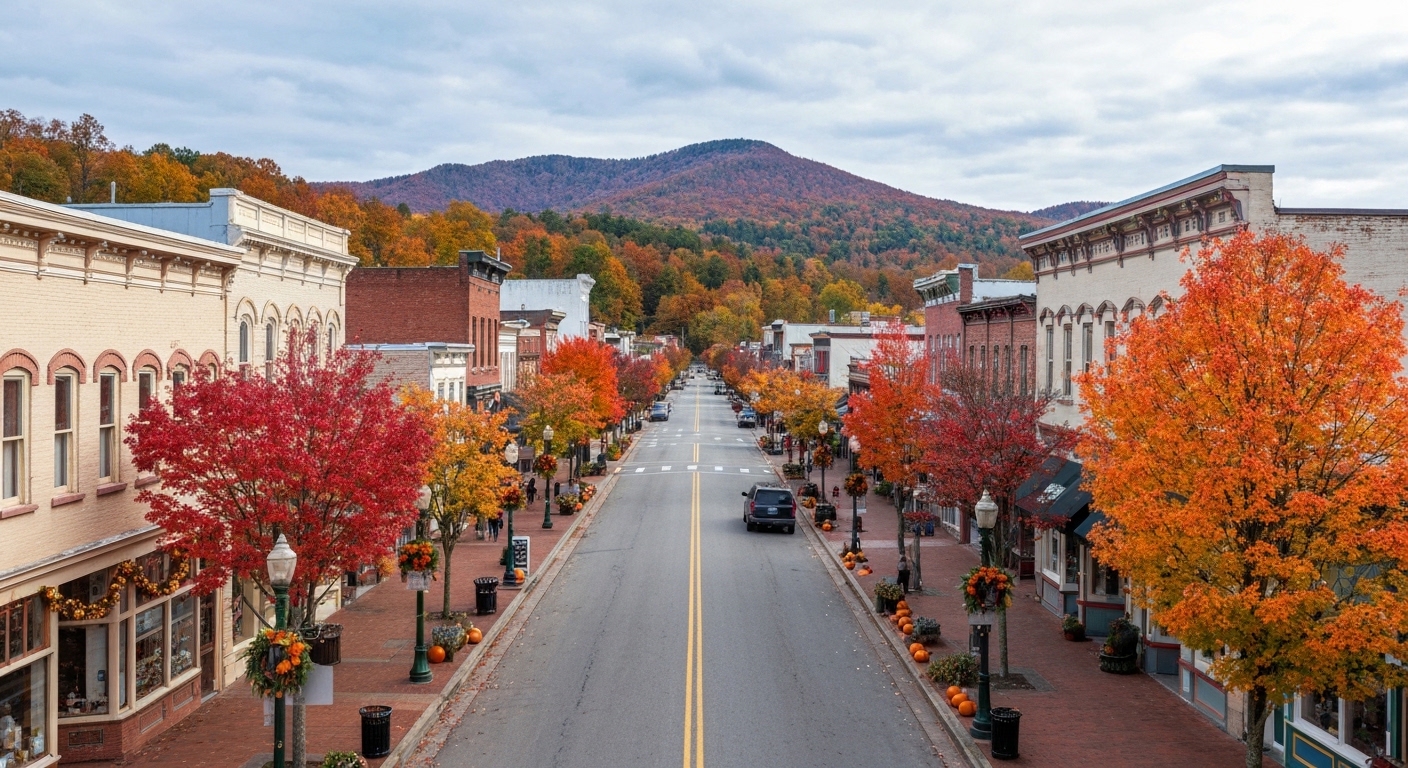
The Waterfall on the NC Side of the Smokies That Most Tourists Never Find

The Waterfall on the NC Side of the Smokies That Most Tourists Never Find

Mouse Creek Falls sits just over two miles up Big Creek Trail and sees a fraction of the foot traffic that Laurel Falls and Abrams Falls draw.

Read More →
Western NC Fishing Guides and Lodges Just Ranked Among the 10 Best in the Country

Western NC Fishing Guides and Lodges Just Ranked Among the 10 Best in the Country

The Tuckasegee, Nantahala, and Davidson rivers draw serious anglers from across the country — and the guides and lodges built around them just got national recognition.

Read More →
Franklin Is Redesigning Main Street and Wants Your Input Before It Happens

Franklin Is Redesigning Main Street and Wants Your Input Before It Happens

The Town of Franklin has two public meetings set for late May where residents can shape a major Main Street transformation plan.

Read More →

Posted in Community Guides
June 3, 2026

A New Bilingual Accounting Firm Opens Its Doors in Franklin on June 10

Downtown Franklin, North Carolina, where BCS Small Business has opened its new office.

By Jon Tharp, Broker  ·  June 3, 2026

At a Glance

BCS Small Business opens its new Franklin, North Carolina office at 1783 Georgia Road with a grand opening on Wednesday, June 10, 2026, at 4:00 PM. The bilingual accounting firm offers bookkeeping, personal and corporate taxes, ITIN processing, business management, and audits. The free community celebration includes food, drinks, gift giveaways, Chamber of Commerce participation, and networking.

Franklin is getting a business built around helping other businesses grow, and the whole community is invited to celebrate the moment.

BCS Small Business is holding the grand opening of its new Franklin office on Wednesday, June 10 at 4:00 PM. The location sits at 1783 Georgia Road, and the team is opening the doors to friends, clients, partners, and neighbors who want to be part of the day.

View More
Posted in Local News