By Jon Tharp, Broker · June 29, 2026
At a Glance
Max Patch, the famous grassy bald straddling the North Carolina and Tennessee line near the Appalachian Trail, is recovering after years of overuse degraded it. Since 2017 the Appalachian Trail Conservancy and partners have planted over 10,000 plugs and sown hundreds of pounds of native seed. A Forest Service camping closure, extended into summer 2029, is helping the land heal.
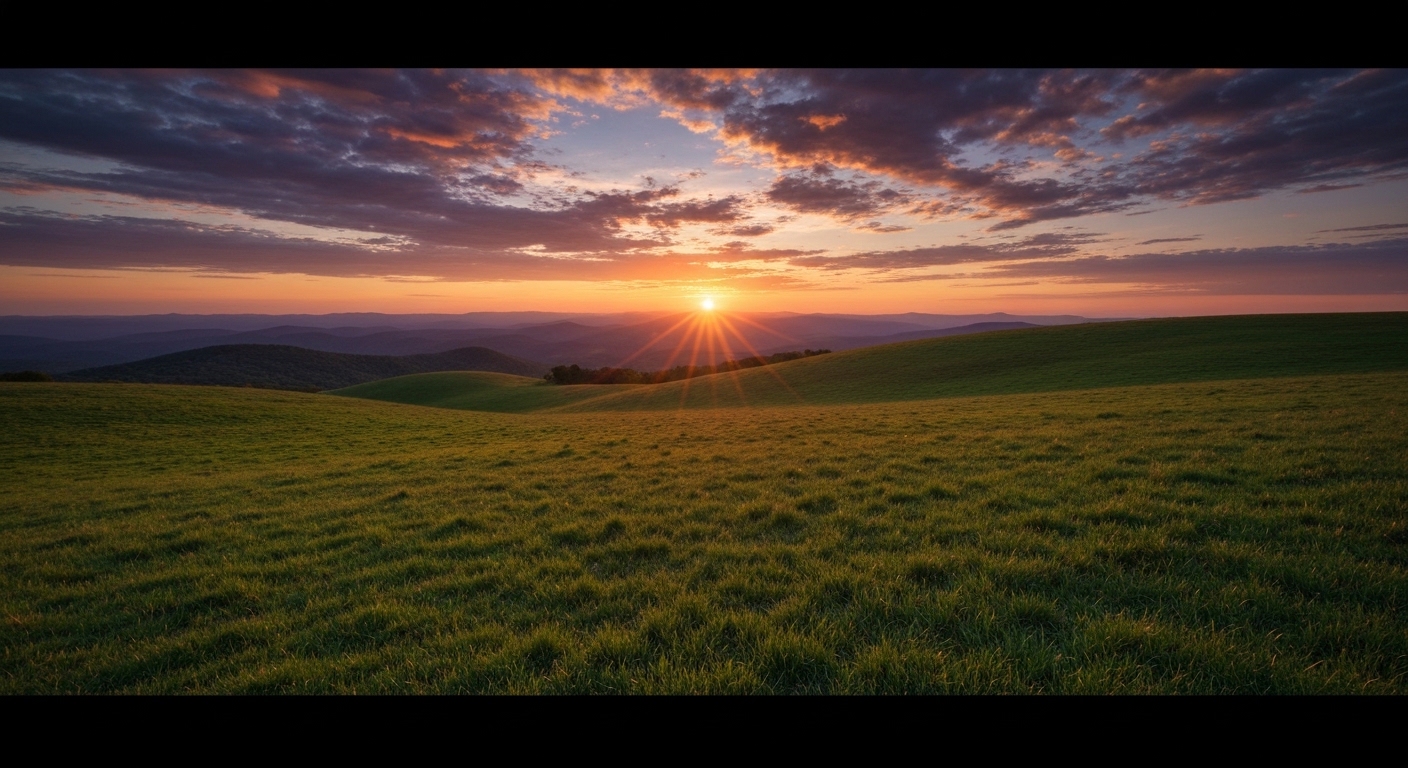
If you hiked Max Patch a decade ago and again last summer, you may have noticed it looks different, and that is on purpose. The famous grassy bald straddling the North Carolina and Tennessee line in Madison County, about an hour and fifteen minutes northwest of Asheville by way of I-40 and a stretch of gravel forest road, has been quietly recovering from years of being loved a little too hard.
For a while there, Max Patch was overwhelmed by its own popularity. Easy to reach and open to camping, it drew crowds that trampled the vegetation and left trash behind. An old connector trail up to the Appalachian Trail had eroded into what one steward called a gash in the mountainside.
What does it take to bring a grassy bald back?
A lot more than letting it sit. Since 2017, the Appalachian Trail Conservancy and its partners have planted more than 10,000 native plant plugs and sown hundreds of pounds of native seed across Max Patch. The Carolina Mountain Club and the USDA Forest Service have done much of the hands-on work alongside the ATC.
Matt Drury, the ATC's Associate Director of Science and Stewardship, put it plainly. "It's like night and day the way that the bald has responded and recovered," he said. Ecologically it is healthier, and the hiker experience feels more natural than it did at the height of the crowds.
The other piece was simply giving the land a rest. The Forest Service recently extended its closure order banning camping on Max Patch for another three years, into the summer of 2029. That pause has been a big part of why the recovery has taken hold.
Why not just let the trees grow back?
Because the open bald is the whole point, both for the views and for the wildlife. Left alone, a grassland like Max Patch slowly matures back into dense forest, and the long-range views that give hikers a break from what locals call the Green Tunnel disappear with it.
Crews use mulchers, chainsaws, and a regular mowing schedule to hold back the encroaching woods and the thorny blackberry along the edges. Drury is careful to frame it as habitat work, not landscaping. "We're not whacking trees just to maintain viewsheds," he said. "We're trying to provide habitat for a myriad of species."
That habitat matters more than most hikers realize. Grassland birds have declined more sharply than any other bird group in North America over the past half century. On a healthy bald you might spot an Eastern bluebird, a golden-winged warbler, a ruffed grouse, or any number of hawks and owls, along with the butterflies and native bees working the summer wildflowers.
Is Max Patch the only place this is happening?
Not at all. Grasslands show up along the Appalachian Trail in every state but Maine, from the high ridgetop balds of the southern mountains to the lowland meadows up north. The ATC and its partners manage about 185 grassland sites in all, ranging from small patches to a few hundred acres apiece.
Many of them, including Max Patch, were once farmland. That history makes them good candidates for restoration, and it is part of why local farmers still hay and crop hundreds of plots along the Trail under permitted agreements. Those fields are not true functional grasslands, but they keep the land open and give hikers a sense of how these mountains have been used for generations.
This summer the ATC also began a new round of grassland reconstruction with the National Park Service at former farm sites in Pennsylvania and Maryland, part of a multi-year Eastern Grasslands Initiative spanning more than 30 park units.
Can locals help closer to home?
Yes, and it does not require a trip to the Trail. The same idea that keeps Max Patch alive works in a backyard in Franklin or Sylva. Planting native wildflowers and leaving a little meadow unmowed both help the pollinators. So does practicing Leave No Trace when you do head up to a bald.
Max Patch is one of those places that reminds you why people put up with gravel roads and winding drives to get to the high country. It took real work to bring it back, and a little patience from the rest of us to keep it that way.
If a recovering mountaintop has you daydreaming about a life closer to trails like this one, Jon Tharp is always glad to talk about what living in Western NC actually looks like.
Frequently Asked Questions
Can you still camp on Max Patch in North Carolina?
No. The U.S. Forest Service put a closure order in place that prohibits camping on Max Patch, and that order was recently extended for another three years, into the summer of 2029. The closure was a direct response to years of heavy overnight use that trampled vegetation and left trash behind. Day hiking and visiting for the views are still allowed and encouraged. The closure gives the bald time to recover, and according to the Appalachian Trail Conservancy the difference has been dramatic. If you are planning an overnight in the area, look at established backcountry sites in the surrounding Pisgah National Forest instead.
Where is Max Patch and how do you get there from Asheville?
Max Patch sits right on the North Carolina and Tennessee border in Madison County, northwest of Asheville. From Asheville it is roughly an hour to an hour and fifteen minutes by car, mostly via I-40 west toward the Tennessee line, then onto winding rural roads through the Pisgah National Forest. The final stretch is gravel forest road, so allow extra time and drive carefully. The trailhead parking area connects to a short loop and to the Appalachian Trail itself. The bald is one of the most accessible and scenic high-elevation spots in the region, which is part of why it became so heavily visited.
Why are grasslands and balds along the Appalachian Trail being restored?
Open grasslands and balds are some of the most threatened habitats in the eastern United States. Research shows grassland birds have declined more than any other bird group in North America over the past 50 years. Left alone, these meadows gradually grow back into dense forest, which erases the long views hikers love and the habitat that ground-nesting birds, pollinators, and rare wildflowers depend on. The Appalachian Trail Conservancy works with partners to maintain about 1,000 acres of this early successional habitat each year across roughly 185 grassland sites, keeping both the scenery and the ecology alive.
What work has been done to restore Max Patch?
Since rewilding work began in 2017, the Appalachian Trail Conservancy and its partners have planted more than 10,000 native plant plugs and sown hundreds of pounds of native seed on Max Patch. The Carolina Mountain Club and the USDA Forest Service have been central partners in the effort. Crews use mulchers, chainsaws, and a regular mowing regime to hold back encroaching trees and blackberry, keeping the bald in an open, early successional state. An old eroding connector trail that had cut a gash into the mountainside was also rehabilitated, restoring both the look and the function of the land.
About the Author
Jon Tharp is a licensed NC real estate broker with Keller Williams. He's helped buyers and sellers across Western North Carolina for over 10 years, specializing in mountain homes, land, and short-term rental investments, with offices throughout WNC covering all mountainous areas. If something in this post has you thinking about a move, he's easy to reach — (828) 347-9055 or smokymountainhomes4sale.com or Jon@jontharphomes.com.
Ready to Make Western NC Your Home Base?
Whether you're looking to buy, considering a short-term rental investment, or ready to sell, the Jon Tharp Team brings deep local knowledge and marketing that puts your home in front of 50,000+ buyers in the first 30 days.
Search available homes across Western NC or call Jon directly at (828) 347-9055.
Talk to JonWhat Our Clients Say
43 five-star Google reviews — read them all on Google
"Jon is hands down the most dedicated and knowledgeable realtor that I have ever worked with. His expertise made the entire process of selling my home and finding a new one a smooth process."
Amy Davis · 2025
"Jon & his team are the greatest! Very professional, friendly like your neighbor, and always get back to your texts, phone calls & emails within minutes or same day, not days or weeks."
Cynthia Oelschlager · 2025
"I can’t say enough good things about Jon and his team. I was looking for investment properties and Jon spent time researching where would be a good place for an Airbnb — he found 2 beautiful properties."
Diane Cogswell · 2025
More from the Blog