By Jon Tharp, Broker · June 22, 2026
At a Glance
A 1925 North Carolina county building gave up a string of small mysteries during renovation, from layers of old finishes to forgotten construction choices hidden behind the walls. County crews documented each one as they peeled the structure back to its bones. The story mirrors what happens across Western North Carolina, where historic courthouses, storefronts, and homes in towns like Sylva, Franklin, and Waynesville carry their own hidden histories.
A Century of Secrets Behind the Walls
When crews started peeling back a 1925 county building for renovation in North Carolina, they did not just find old construction. They found layers, the kind that accumulate quietly over a hundred years while people walk in and out of a building every day without thinking about what is behind the plaster.
The county described the structure as layered, and that word carries a lot of meaning. It means the building was never frozen in time. People wired and rewired it, partitioned and reopened it, painted over and patched it, decade after decade. Every one of those changes left a trace, and most of those traces got sealed up and forgotten the moment the next coat of paint went on.
Renovation is the only time anyone sees them again. Strip a wall down to the studs and you are looking at a timeline. The original framing sits at the bottom. Above it sits whatever the 1940s needed, then the 1960s, then the cheap fixes from years when budgets were tight and nobody expected the building to last this long anyway.
That is the quiet reality of an old building. It does not give up its history until someone forces the issue with a pry bar, and by then the people who made those choices are long gone. What is left is the physical evidence, and a county crew trying to make sense of it on a deadline.
What "Layered" Actually Means
Calling a building layered is not a figure of speech. It describes how structures from the 1920s were actually built and maintained, and it explains why renovations from this era turn into detective work.
A building like this started as one thing and became several others. Walls moved as the building's use changed. Crews framed doorways shut and cut new ones beside them. Workers added mechanical systems on top of older ones rather than replacing them, so a single wall cavity can hold abandoned wiring from three different eras stacked together one layer on top of the next.
Finishes tell the same story. Instead of stripping old wallpaper or plaster, workers in past decades often covered it. Peel back the top layer and you find the one beneath it, and sometimes the one beneath that, each a small snapshot of what was considered modern at the time.
This is why crews working on a building this old move carefully. You cannot trust the original plans, assuming they even survive, because the building stopped matching them within a few years of opening. Every wall might hide a surprise, and some of those surprises are structural, the kind that change the scope and budget of a project overnight.
The county's renovation became an exercise in reading the building backward, working from the most recent change down to the bones laid in 1925.
The Mysteries Crews Could Not Explain
Some discoveries during a renovation are easy to explain. A patched wall, an old electrical run, a doorway someone clearly closed off for a remodel. Others are not so simple, and those are the ones that turn a construction project into a story worth telling.
This building produced both kinds. There were the ordinary findings, the layers of finish and the outdated systems, and then there were the choices that nobody could account for. Framing that did not match the rest of the structure. Openings that led nowhere obvious. Construction decisions that made sense only if you understood something about the building's past that has since been lost.
That is the part that catches people. We tend to think of old buildings as solved problems, fully known because they have stood in plain sight for a century. The truth is closer to the opposite. The longer a building stands, the more decisions get made inside it, and the more of those decisions go undocumented.
A handwritten note left in a wall cavity. A repurposed beam that clearly came from somewhere else. A sealed space that served a purpose no living person remembers. Each of these is a small mystery, and a county renovation tends to surface a handful of them before the work is done.
The honest answer to most of these mysteries is that we will never know for certain. The builders did not expect anyone to ask. They were solving a problem in front of them, and the explanation went home with them at the end of the day.
Why This Story Travels Well in the Mountains
A 1925 county building giving up its secrets is a regional story for a reason. Western North Carolina is full of buildings exactly this old, and many of them are still in daily use, which means the same surprises are waiting behind their walls too.
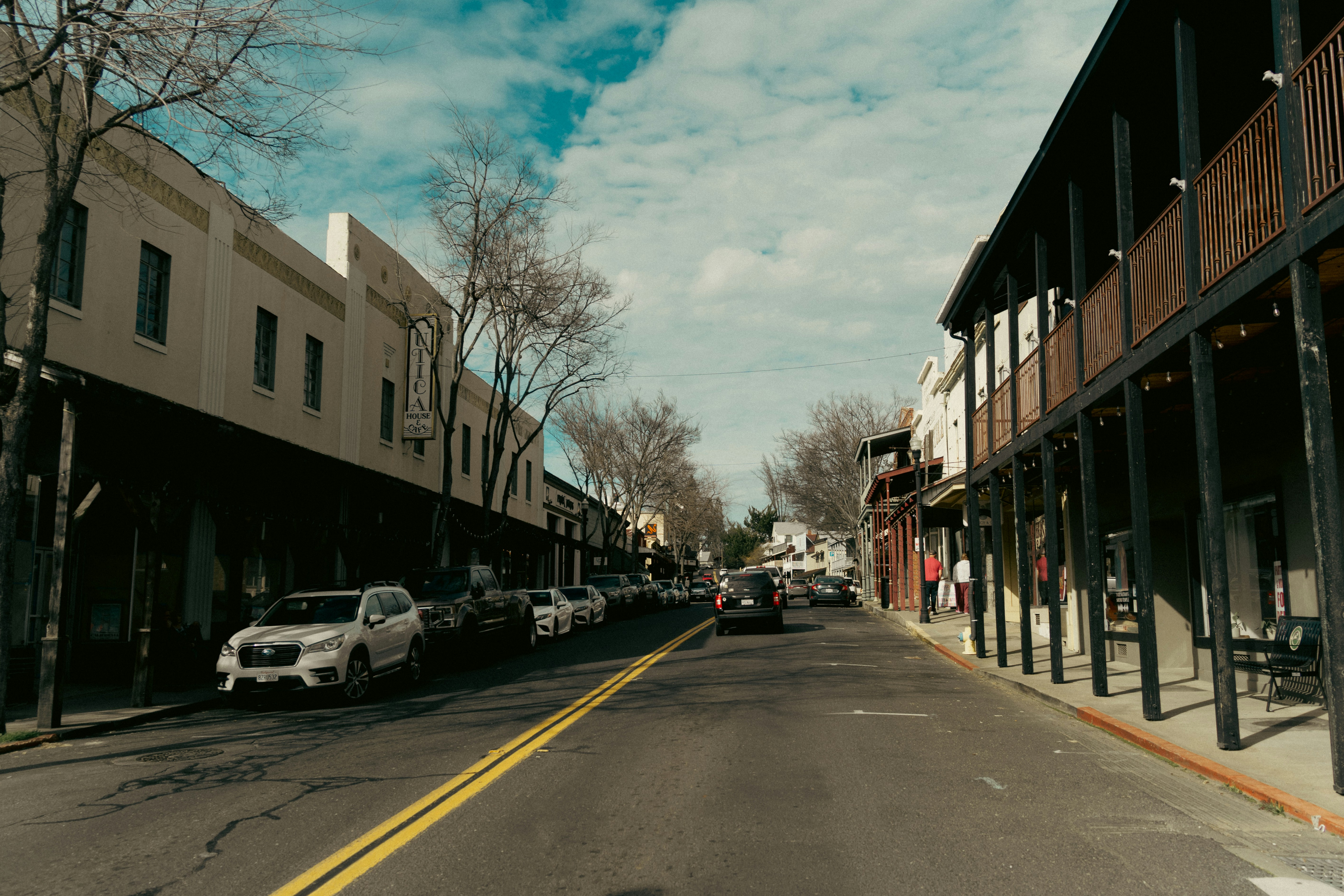
Drive through Franklin, Sylva, Waynesville, or Brevard and you are looking at main streets that took their current shape in the early twentieth century. The storefronts, the civic buildings, the churches and the old hotels all date to roughly the same window. The same kind of crews built them, using the same methods, and people have layered over them in exactly the same way ever since.
That shared age is part of what gives these towns their character. Nobody tore the buildings down and replaced them every generation. People adapted them, which is a slower and messier process that leaves history embedded in the structure rather than hauled off to a landfill.
It also means that anyone who renovates an old mountain building is signing up for the same adventure the county is having now. Open a wall in a hundred-year-old Franklin storefront and you may well find the same layered surprises, the same undocumented changes, the same small mysteries left by people who never imagined you would be standing there.
This is the part locals understand instinctively. Around here, an old building is not just real estate. It is a record of everyone who used it before you.
The Real Cost of Keeping Old Buildings
There is a reason some counties tear down their old buildings and start fresh. Renovating a century-old structure is hard, slow, and expensive, and the layered nature of the work is exactly why.
When you build new, you control every variable. You know what is in the walls because you put it there. When you renovate a 1925 building, you are negotiating with a hundred years of decisions you did not make and cannot fully see. Every wall you open can change the budget. Every surprise has to be evaluated, documented, and worked around or corrected.
That uncertainty is the single biggest argument against preservation, and it is a fair one. A county has to answer to taxpayers, and explaining why a renovation cost more than a new building would have is not a fun conversation.
The counterargument is the one mountain towns tend to win. An old civic building anchors a downtown in a way new construction rarely matches. It carries the community's memory. People got married in it, paid their taxes in it, stood in line in it for decades. You cannot build that into something new, no matter how nice the finishes are.
So counties and towns across the region keep making the harder choice. They renovate, they absorb the surprises, and they treat the discoveries made along the way as part of the building's ongoing story rather than an inconvenience. The mysteries become part of what makes the building worth saving.
That math is playing out constantly in Western North Carolina, where the inventory of old buildings is large and the appetite for bulldozing them is small.
What These Discoveries Tell Us
Strip away the construction details and a renovation like this is really about time. A 1925 building is a slow accumulation of human decisions, and pulling it apart is the only way to read them in order.
The layers are the point. Each one represents a moment when someone looked at the building and decided what it needed to become next. The original builders, the crews who modernized it in the middle of the century, the people who made do during lean years, and now the county crew documenting all of it before they add their own layer on top.
That last part matters. This renovation is not the end of the building's story. It is just the most recent chapter, and a hundred years from now someone may open these same walls and wonder what the crews of 2026 were thinking. The mysteries do not stop. They just get passed forward.
For anyone who loves old buildings, and the mountains are full of those people, that is the satisfying part. A structure like this is never finished and never fully understood. It keeps a few secrets no matter how carefully you study it, and that is exactly what makes it feel alive instead of like a museum piece.
The county's 1925 building will get its new systems, its updated spaces, and its next century of use. The mysteries crews could not solve will stay unsolved, tucked back into the walls for the next generation to find.
If wandering through century-old courthouses and storefronts is the kind of thing that makes you want to put down roots in a town like Sylva or Franklin, I am always happy to talk about the old homes and buildings that come up for sale around here.
Frequently Asked Questions
Why do old buildings from the 1920s hide so many surprises?
Buildings from the 1920s were often constructed in stages and updated repeatedly over the following century. Each generation added wiring, plumbing, heating, partitions, and finishes on top of what came before, rather than removing the old work. The result is a layered structure where original materials sit hidden behind decades of additions. When crews open the walls during a renovation, they expose those layers in sequence. Hand-cut framing, old newspaper used as insulation, abandoned ductwork, and former door openings all turn up. Because record keeping was informal in that era, much of what crews find was never documented, which is why even routine renovations produce genuine surprises.
What kinds of things are typically found during historic renovations?
Crews commonly uncover layers of original finishes such as wallpaper, plaster, and paint that were covered rather than stripped. Behind walls they find old framing techniques, repurposed lumber, abandoned mechanical systems, and sometimes sealed openings where doors or windows once stood. Workers occasionally discover small time capsules of daily life, including dated newspapers, signatures, tools, bottles, and handwritten notes left by the original builders. Structural surprises are common too, from undersized supports to additions that were never on any plan. Each discovery helps historians reconstruct how a building was actually used and changed across its lifetime.
How does a county decide whether to renovate or replace a historic building?
Counties weigh cost, structural condition, historic value, and community sentiment. Renovating a century-old building is often more expensive per square foot than new construction because crews must work around unknown conditions, meet modern codes, and preserve significant features. Against that, an older civic building usually carries deep community attachment and a prominent place downtown. Many counties choose renovation when the structure is sound and central to local identity, treating the discoveries made along the way as part of the building's documented history. Grants and historic tax credits can shift the math toward preservation.
Are there notable historic buildings to see in Western North Carolina?
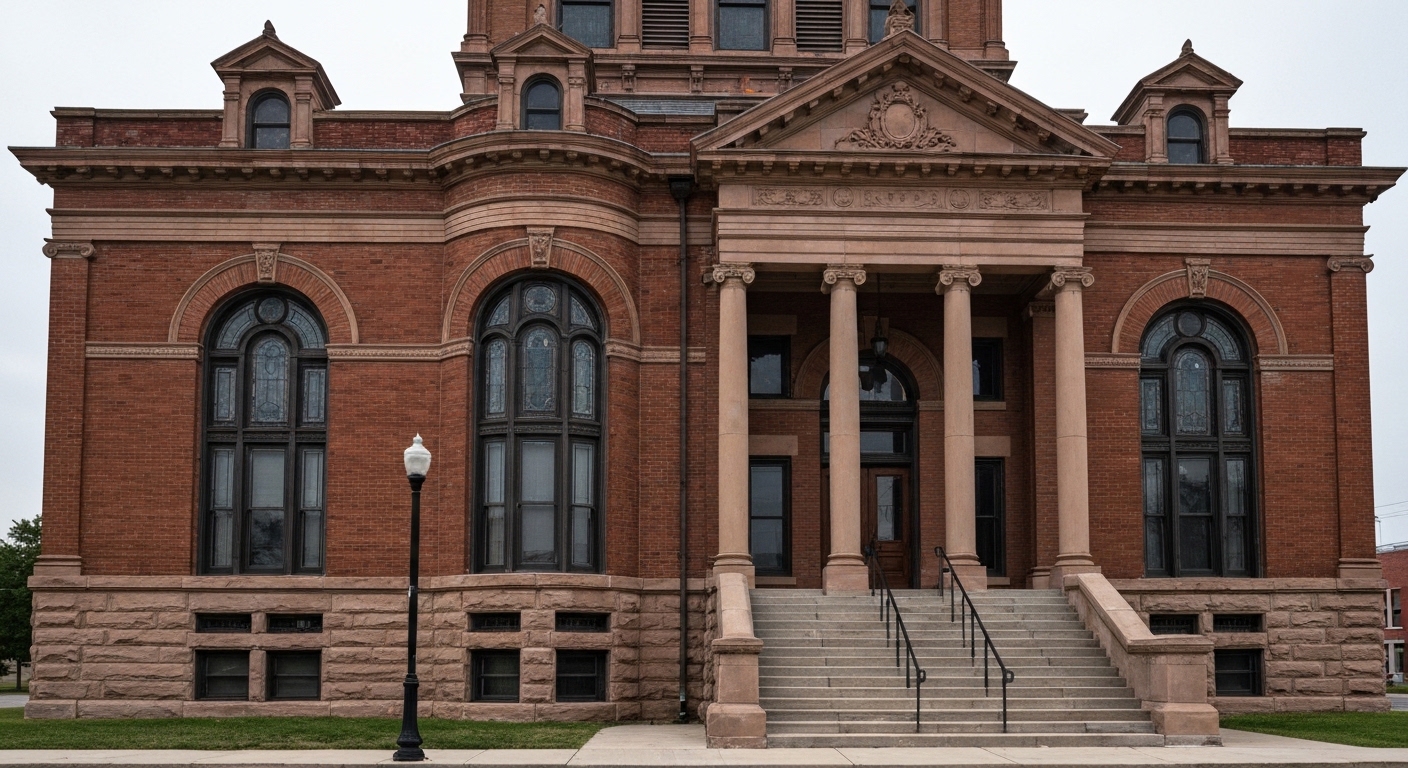
Yes. The Jackson County Courthouse in Sylva, perched at the top of a long flight of steps, is one of the most photographed buildings in the region and now houses the county library. Downtown Franklin, Waynesville, Brevard, and Highlands all retain early twentieth century storefronts and civic buildings still in daily use. Many of these structures date to the same era as the 1925 building in the news. Walking the main streets of these towns is one of the easiest ways to see how mountain communities preserved their architecture rather than starting over.
About the Author
Jon Tharp is a licensed NC real estate broker with Keller Williams. He's helped buyers and sellers across Western North Carolina for over 10 years, specializing in mountain homes, land, and short-term rental investments, with offices throughout WNC covering all mountainous areas. If something in this post has you thinking about a move, he's easy to reach — (828) 347-9055 or smokymountainhomes4sale.com or Jon@jontharphomes.com.
Ready to Make Western NC Your Home Base?
Whether you're looking to buy, considering a short-term rental investment, or ready to sell, the Jon Tharp Team brings deep local knowledge and marketing that puts your home in front of 50,000+ buyers in the first 30 days.
Search available homes across Western NC or call Jon directly at (828) 347-9055.
Talk to JonWhat Our Clients Say
43 five-star Google reviews — read them all on Google
"Jon is hands down the most dedicated and knowledgeable realtor that I have ever worked with. His expertise made the entire process of selling my home and finding a new one a smooth process."
Amy Davis · 2025
"Jon & his team are the greatest! Very professional, friendly like your neighbor, and always get back to your texts, phone calls & emails within minutes or same day, not days or weeks."
Cynthia Oelschlager · 2025
"I can’t say enough good things about Jon and his team. I was looking for investment properties and Jon spent time researching where would be a good place for an Airbnb — he found 2 beautiful properties."
Diane Cogswell · 2025
More from the Blog