By Jon Tharp, Broker · July 16, 2026
At a Glance
Hammerhead worms are invasive flatworms with a half-moon head that have been in North Carolina since at least 1951 and are turning up in Jackson County gardens. Never cut one, because each piece can regenerate into a new worm. Instead, use gloves to seal it in a bag with salt or vinegar, or freeze it. Their mucus contains a neurotoxin that can irritate skin.
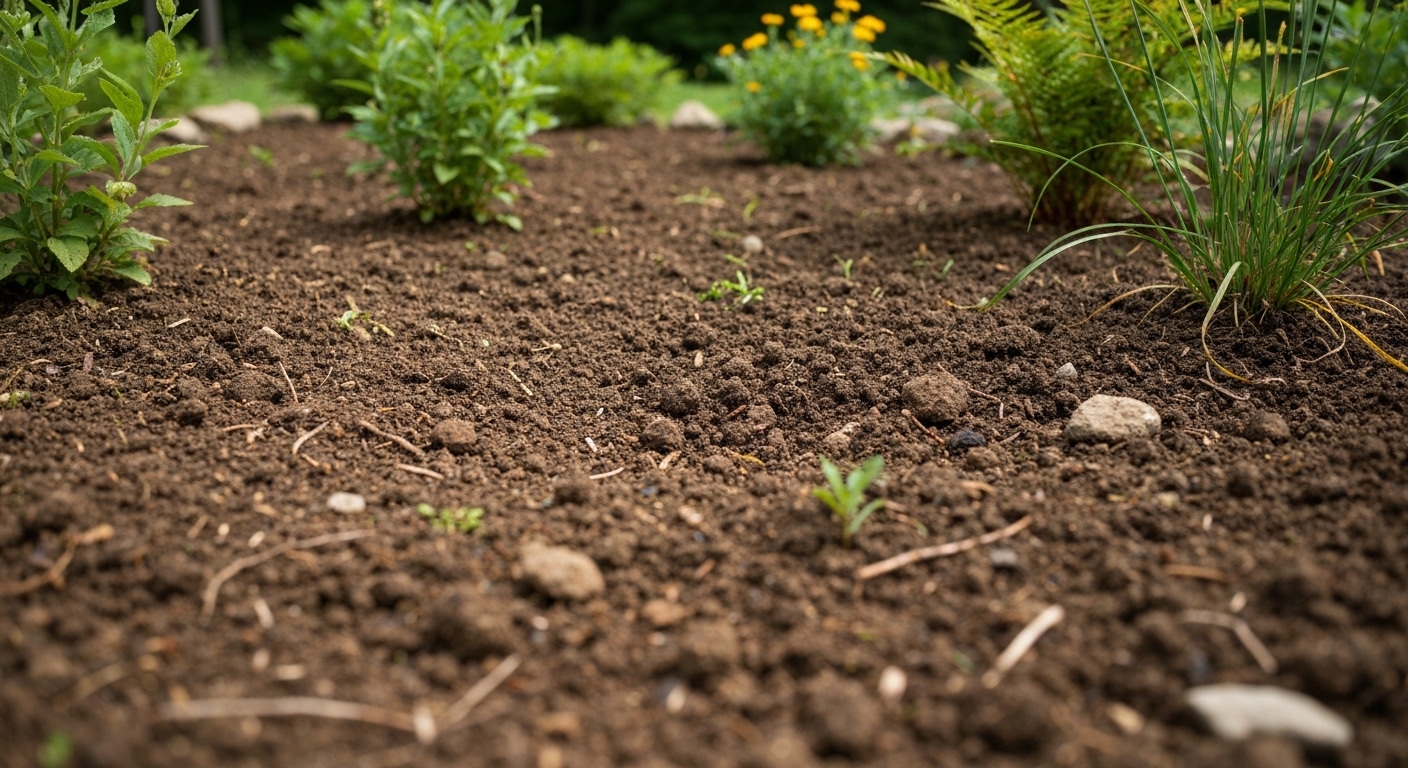
If you have been turning over mulch or watering the beds this summer around Jackson County and spotted a long, ribbon-like worm with a flat, half-moon head, that is not your imagination playing tricks. It is a hammerhead worm, and a recent piece from the Jackson County Cooperative Extension office is a good reminder that this odd invasive has been living in our soil for decades.
Sylva sits about an hour southwest of Asheville on US-74, and the humid mountain summers here make good conditions for these flatworms to show up in flower beds and shady spots near the foundation. If you garden anywhere from Cullowhee to Dillsboro, this is one worth knowing about.
What exactly is a hammerhead worm?
The scientific name is Bipalium kewense, and the giveaway is that broad, spade-shaped head that looks a little like a hammerhead shark. They originated in Southeast Asia and spread through the horticulture and landscaping trade in the 1900s, usually traveling in the soil of potted plants and ornamental shipments.
They have been in North Carolina since at least 1951, so despite the alarm they cause when someone first sees one, they are not a brand-new invader. They are just easy to miss until a warm, wet week brings them to the surface.
Are they actually dangerous?
They do not bite, which is the good news. The concern is the mucus coating their bodies. Some species of Bipalium produce a neurotoxin called tetrodotoxin, and that mucus can cause skin irritation on contact. It becomes more of an issue if it gets into your mouth or eyes.
There have been a handful of reported cases of the worms being found inside humans, though that is rare. For the average gardener, the real takeaway is simple. Wear gloves and stay alert when you are working in the beds, and keep an eye on curious pets that might try to mouth one.
Why you should never cut one in half
Here is the part that trips people up. The instinct when you see a worm you do not like is to chop it with a shovel and move on. With hammerhead worms, that is exactly the wrong move.
These flatworms can regenerate from fragments. Cut one into pieces and you can end up with several worms instead of none. So resist the urge to slice, and handle them a different way entirely.
How to safely get rid of one
The recommended approach is to treat them one at a time rather than spraying your whole yard. When you find a worm, pick it up with gloves or a tool and seal it in a bag or container with salt or vinegar, which dehydrates it. Freezing the sealed worm is another method that works well.
One important caveat for gardeners. Do not pour salt or vinegar directly on the soil around a plant, because it can harm the plant. Move the worm off the soil first, then treat it in a container. Extension staff specifically advise against blanket-treating an entire property, so spot treatment is both easier and better for your landscaping.
Emma Wike, the N.C. State University intern with the Jackson County Cooperative Extension office, wrote the piece, and it is the kind of local, practical guidance that makes our extension offices worth following.
None of this is a reason to stop enjoying your yard. It is just one of those small realities of gardening in a green place where things grow easily, worms included. A pair of gloves and a little awareness cover most of it.
If tending a mountain garden and putting down roots in Western NC is something you have been thinking about, Jon Tharp is always glad to talk through what that could look like.
Frequently Asked Questions
Are hammerhead worms dangerous to humans in North Carolina?
Hammerhead worms do not bite, but they are not harmless. Some species of Bipalium produce tetrodotoxin, a neurotoxin, in the mucus coating their bodies. Contact with that mucus can cause skin irritation, and it becomes more of a concern if it gets into your mouth or eyes. There have been a small number of reported cases of the worms being found inside humans, though that is rare. The simple protection is to wear gloves when working in the garden and to avoid handling them with bare hands. Pets can also be irritated if they mouth one.
Why should you never cut a hammerhead worm in half?
Cutting or chopping a hammerhead worm is the worst thing you can do, because it does not kill the worm. These flatworms can regenerate from fragments, so a single worm sliced into several pieces can become several living worms. That is how a minor problem turns into a larger one. Instead of cutting it, pick the worm up with gloves or a tool and seal it in a bag or container with salt or vinegar to dehydrate it. Freezing the sealed worm is another highly effective method that avoids any risk of accidental regeneration.
How do you get rid of hammerhead worms in your yard?
Treat them one at a time rather than spraying your whole property. When you find a worm, use gloves or a tool to lift it, then place it in a well-sealed bag or container with salt or vinegar, which dehydrates it. Freezing the sealed worm also works well. Do not pour salt or vinegar directly onto soil around a plant, because it can damage the plant. Experts specifically recommend against blanket-treating an entire yard for these worms, so spot treatment as you spot them is the practical approach for most WNC homeowners.
How long have hammerhead worms been in North Carolina?
Hammerhead worms have been documented in North Carolina since at least 1951. The species, Bipalium kewense, originated in Southeast Asia and was introduced to other parts of the world through the horticulture and landscaping trade sometime in the 1900s, often hitching a ride in potted plants and soil. They tend to become more visible during warm, humid stretches, which is why gardeners across the mountains notice them in summer. So while they may feel like a new arrival, they have been quietly established in the region for more than seventy years.
About the Author
Jon Tharp is a licensed NC real estate broker with Keller Williams. He's helped buyers and sellers across Western North Carolina for over 10 years, specializing in mountain homes, land, and short-term rental investments, with offices throughout WNC covering all mountainous areas. If something in this post has you thinking about a move, he's easy to reach — (828) 347-9055 or smokymountainhomes4sale.com or Jon@jontharphomes.com.
Ready to Make Western NC Your Home Base?
Whether you're looking to buy, considering a short-term rental investment, or ready to sell, the Jon Tharp Team brings deep local knowledge and marketing that puts your home in front of 50,000+ buyers in the first 30 days.
Search available homes across Western NC or call Jon directly at (828) 347-9055.
Talk to JonWhat Our Clients Say
43 five-star Google reviews — read them all on Google
"Jon is hands down the most dedicated and knowledgeable realtor that I have ever worked with. His expertise made the entire process of selling my home and finding a new one a smooth process."
Amy Davis · 2025
"Jon & his team are the greatest! Very professional, friendly like your neighbor, and always get back to your texts, phone calls & emails within minutes or same day, not days or weeks."
Cynthia Oelschlager · 2025
"I can’t say enough good things about Jon and his team. I was looking for investment properties and Jon spent time researching where would be a good place for an Airbnb — he found 2 beautiful properties."
Diane Cogswell · 2025
More from the Blog