By Jon Tharp, Broker · June 7, 2026
Quick Answer: Highlands is an incorporated resort town of about 1,014 year-round residents in Macon County, North Carolina, perched at roughly 4,118 feet, one of the highest incorporated towns in the eastern United States. It is among the Southeast's premier luxury mountain destinations, with a famously walkable upscale Main Street, the Old Edwards Inn, and a dense ring of private golf clubs. The market is ultra-high-end and second-home dominated: the median home sold for about $1 million over the past year, with listings reaching $32 million. Despite the prestige, Macon County has one of the lowest property tax rates in North Carolina.
Highlands at a Glance
| Year-round population | About 1,014 (2020 Census); the summer and fall peak is commonly estimated above 20,000 |
| Elevation | ~4,118 feet, one of the highest incorporated towns east of the Mississippi |
| Median home price | ~$1,000,000 sold over the past year; active listings median ~$1,099,000, up to $32M (as of June 2026) |
| Time on market | Roughly 95-103 days (a slow, cash-heavy luxury market) |
| Property tax | Macon County $0.27 per $100 (one of NC's lowest) plus the Town of Highlands rate (~$0.18), about $0.45 combined in town, plus a small fire-district levy |
| Drive to Atlanta / GSP | ~2.5 hr to Atlanta (a huge feeder market); ~1.5 hr to Greenville-Spartanburg |
| Climate | ~100 inches of rain a year, a true temperate rainforest; cold, snowy, foggy winters |
| Locally famous for | A walkable luxury Main Street, the Old Edwards Inn, private golf clubs, and the US-64 waterfall corridor |
What is it actually like to live in Highlands?
Living in Highlands means living in a small, refined, high-elevation resort town with a genuinely walkable luxury downtown, a deep private-club culture, and a pronounced seasonal rhythm, and where most homes are second residences. It is upscale, cultured, and unmistakably a destination.
At about 4,118 feet, Highlands is one of the highest towns in the eastern United States, cool in summer when Atlanta and the Carolinas swelter, which is exactly why it became a resort more than a century ago and why so much of its second-home demand still comes from Atlanta. The compact downtown is the rare mountain Main Street you can actually stroll: designer shops, galleries, acclaimed restaurants, and the Old Edwards Inn anchoring it all, with the Bascom art center and a performing-arts center adding real culture for a town this size. The surrounding forest holds a dense cluster of private golf clubs, and the market reflects the prestige, a roughly $1 million median sale with listings into the tens of millions (as of June 2026). The pleasant surprise underneath all that: Macon County's tax rate is among the lowest in the state.
This guide is written for the buyer Highlands actually attracts, the affluent retiree or second-home owner: the market, the club scene and how access works, the Main Street and cultural life, the famously wet climate and quiet winters, the storm-access realities, and who Highlands fits.
Table of Contents
- What kind of town is Highlands? - What is the Highlands real estate market like? - What are the private clubs in Highlands? - How do club memberships work here? - What is downtown Highlands like? - What is there to do outdoors around Highlands? - What is the weather and seasonality like? - How far is Highlands from Atlanta, Cashiers, and the feeder cities? - What internet and utilities can you get in Highlands? - How did Hurricane Helene affect Highlands? - What should out-of-state buyers know about property here? - What are the property taxes in Highlands? - What are the schools and healthcare like? - How does Highlands compare to nearby towns? - Is Highlands right for you? - Frequently Asked Questions
What kind of town is Highlands?
Highlands is a small, incorporated, high-elevation resort town in Macon County, distinguished by a walkable luxury downtown and a strong cultural and club scene that punch far above its tiny population. It is refined, seasonal, and prestige-driven.
The 2020 census counted 1,014 year-round residents, but in summer and fall the town and surrounding area swell to an estimated 20,000-plus as seasonal residents and visitors arrive. Highlands was founded in 1875 by Samuel Kelsey and Clinton Hutchinson, who, as the local legend goes, drew two lines on a U.S. map (Chicago to Savannah, New Orleans to New York) and bet that the crossing point in these mountains would become a great trade center. It became something arguably better: a beloved cool-summer retreat. Today its identity is upscale hospitality and culture, a designer Main Street, the Old Edwards Inn, the Bascom art center, and a performing-arts scene, wrapped in Nantahala National Forest at the top of the Highlands-Cashiers plateau.
Day to day, life here runs on the seasons: a vibrant, social spring through fall of dining, shopping, golf, and culture, then a genuinely quiet winter when many shops and clubs cut back. It is a refined mountain town first and a year-round community second.
See what is on the market in Highlands
See Homes for Sale in HighlandsWhat is the Highlands real estate market like?
Highlands is one of the most expensive and second-home-dominated markets in the Southeast: the median home sold for about $1 million over the past year, the average sale was around $1.5 million, and active listings range from land into estates listed as high as $32 million. It is a slow, cash-heavy luxury market.
Over the past year roughly 361 homes sold with a median near $1 million, an average around $1.52 million, and a top sale around $12 million, while the active market shows about 339 listings with a median list near $1.099 million and a high around $32 million (as of June 2026). Days on market commonly run 95 to 103, normal for ultra-luxury and land, and a large share of buyers pay cash. Most buyers treat the Highlands-Cashiers plateau as one market and shop both towns, with Cashiers about ten to twelve miles northeast. As on the Cashiers side, the price range is enormous and tied to whether a property is in a club, on acreage, or in town, so what you are really shopping is a specific community and tier, not a single "Highlands price."
With this much price discovery and this many gated clubs, knowing which club is which, and how access really works, matters more here than almost anywhere. Start with current Highlands listings, or look at the sister market with Cashiers homes for sale just up US-64.
What are the private clubs in Highlands?
The private golf clubs ringing Highlands are central to the luxury market, and they are a real cluster, distinct from the Cashiers-side clubs people often confuse them with. Here is an honest map of the Highlands-side communities.
| Club / community | Type | Access | Character |
|---|---|---|---|
| Highlands Country Club | Member-owned private golf | Membership required | Historic, in/adjacent to town; one of the area's oldest |
| Cullasaja Club | Gated member-owned | Membership/ownership | ~4,200 ft; golf, six tennis courts, fitness, large heated pool |
| Wildcat Cliffs Country Club | Private golf | Membership required | Large clubhouse, full dining; the only area club with an indoor pool |
| Highlands Falls Country Club | Gated member-owned community | Membership/ownership | ~550 acres, ~350 homesites; par-70 course, tennis, croquet |
| Old Edwards Club (Highlands Cove) | Private golf, Old Edwards-owned | Members and Old Edwards Inn guests | Tom Jackson course; members get Old Edwards Inn privileges |
One honest clarification buyers always need: Wade Hampton, Mountaintop, and Trillium are Cashiers and Glenville clubs (Jackson County), not Highlands clubs, even though they are on the same plateau. The Highlands-side clubs above are where the in-town and immediate-area prestige inventory sits, and which one fits depends on the golf, the amenities, and how membership works, which is the next question.
How do club memberships work here?
As on the Cashiers side, most Highlands clubs are private and member-owned, membership is typically linked to property ownership within the community, and initiation and dues vary and are not published, so club costs come on top of the home price. Getting this clear before you fall for a house in a gated community is essential.
The practical reality: buying a home inside one of these clubs usually involves a club membership with its own initiation fee and annual dues, and the rules for membership transfer when a property changes hands vary by club. The Old Edwards Club is somewhat distinctive in that members also receive Old Edwards Inn privileges, and it is accessible to Old Edwards Inn guests, while the others are more traditional member-owned clubs. Because none of these figures are public, treat any number you hear secondhand with caution. The smart approach is to decide which amenities you actually want, then let me confirm the specific club's current membership path, costs, and transfer rules as part of evaluating a home, because in this market the club commitment is often as consequential as the house.
What is downtown Highlands like?
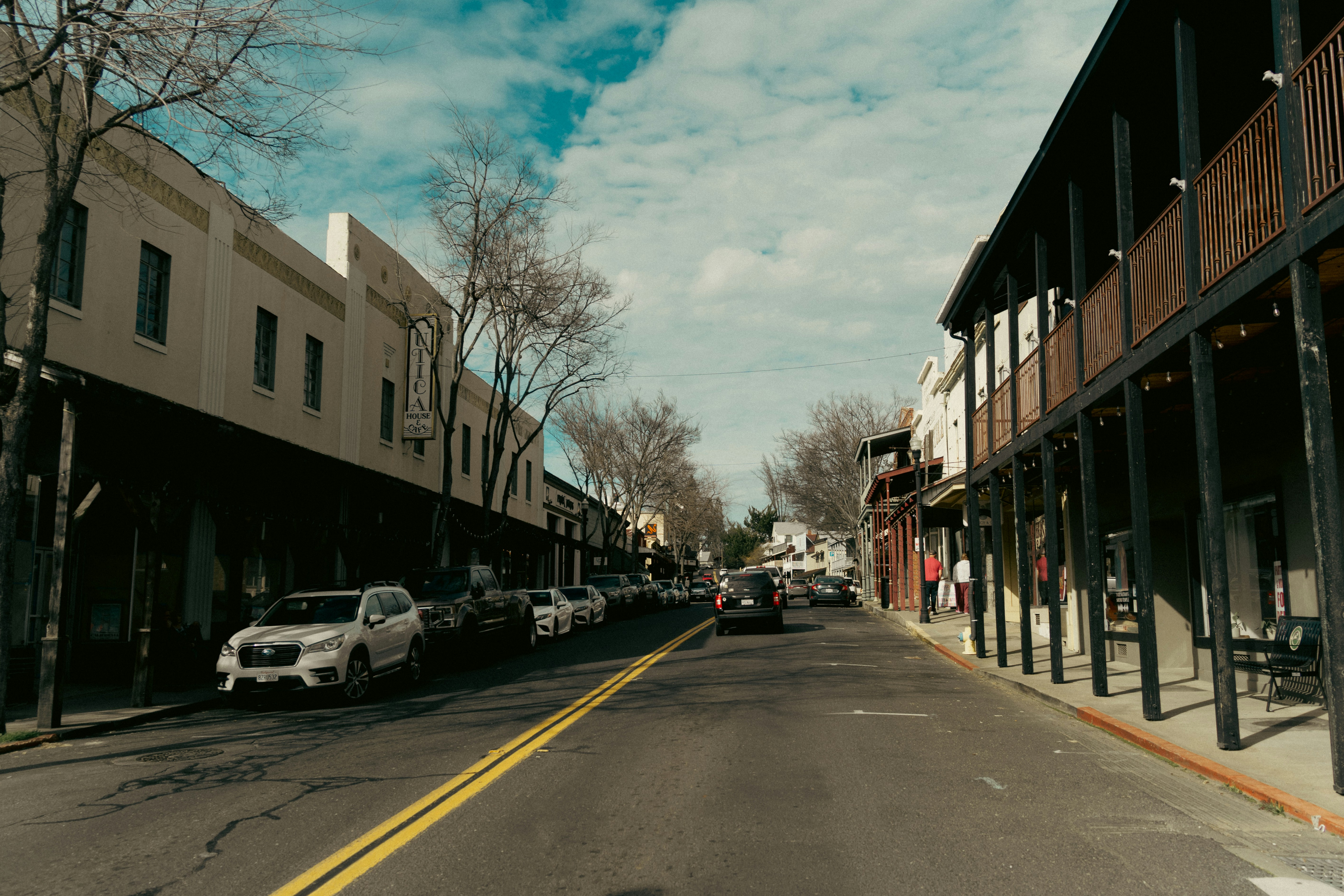
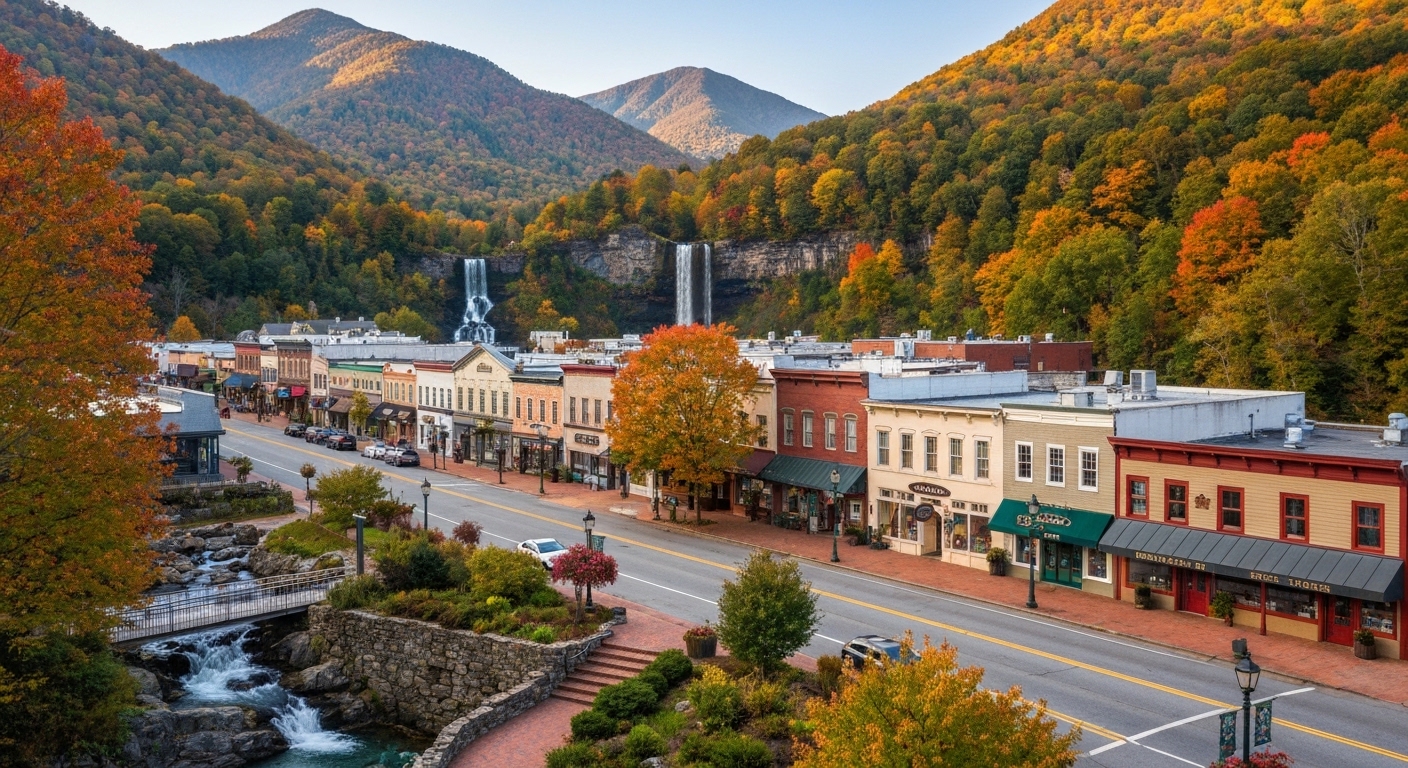
Downtown Highlands is the rare mountain Main Street that is genuinely walkable and genuinely upscale: a compact, strollable core of designer shops, galleries, fine dining, and culture anchored by the Old Edwards Inn. It is a big part of why Highlands commands the prices it does.
Main Street packs boutiques, home-goods and antique shops, and art galleries into a few blocks, enough that it has won national "best small town for shopping" recognition. The Old Edwards Inn & Spa is the marquee anchor, a Relais & Chateaux retreat (Forbes Four-Star) with a renowned spa, a heated mineral pool, and the Madison's restaurant, and its hospitality group operates several other plateau properties. For culture, The Bascom is a six-acre visual-arts center with free public galleries, a covered-bridge entrance, and working studios, and the Highlands Performing Arts Center hosts touring musicians plus live screenings of the Met Opera and London's National Theatre, with the resident Mountain Theatre Company running a professional season. For a town of about a thousand year-round residents, that concentration of dining, shopping, and arts is genuinely unusual, and it is open and lively spring through fall.
What is there to do outdoors around Highlands?
Highlands sits in the middle of one of the best waterfall-and-hiking areas in the mountains, with a famous string of falls right along US-64 and dramatic summits and forest all around. You do not need a club to enjoy the best of it.
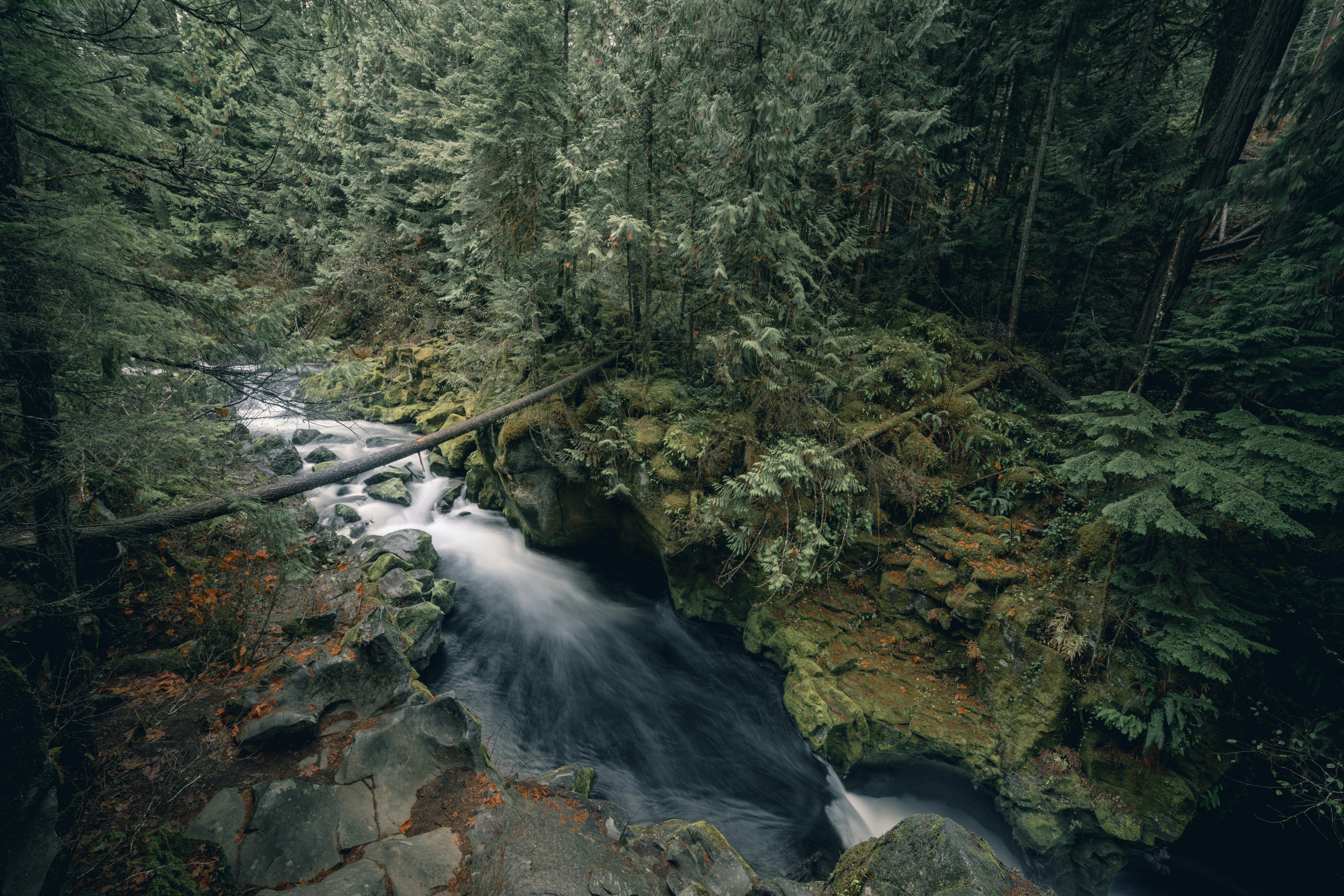
The signature is the US-64 waterfall corridor west toward Franklin, part of the Mountain Waters Scenic Byway through the Cullasaja Gorge: Bridal Veil Falls (the famous drive-up falls), Dry Falls (where a paved walkway lets you walk behind the water), and Glen Falls (a three-tier set on a scenic trail). Whiteside Mountain, shared with Cashiers, offers a roughly two-mile loop to some of the highest cliffs in the eastern United States, and short hikes from town reach Sunset Rock and Sunrise Rock for panoramic views. The Highlands Botanical Garden and Highlands Biological Station (run by Western Carolina University) make up the highest public native-plant garden in the East, free and open year-round, and Lake Sequoyah, Nantahala National Forest, and the Highlands Aerial Park round out the options. It is a remarkable amount of public nature for such a small town.
What is the weather and seasonality like?
Highlands has a cool, famously wet climate and a very pronounced season: it is lush, lively, and full spring through fall, and cold, foggy, snowy, and quiet in winter, when many businesses close or cut hours. Understanding both is essential before you buy.
At 4,118 feet, Highlands receives roughly 100 inches of rain a year, among the wettest places in the eastern United States and ecologically a temperate rainforest, which is why the waterfalls roar and the forest is so green, but also means frequent fog and cloud immersion and real wear on exteriors and roads. Winters bring cold, snow, and ice, and the town genuinely quiets down: many Main Street shops and some restaurants reduce hours or close roughly January through March, and the clubs throttle back. The flip side is the glorious spring-through-fall season and a spectacular leaf season. For a summer-and-fall second-home owner that rhythm is the whole appeal; anyone considering Highlands as a full-time, year-round home should spend a February here first to feel the quiet and the weather.
How far is Highlands from Atlanta, Cashiers, and the feeder cities?
Highlands is about two and a half hours from Atlanta, its single biggest feeder market, ten to twelve miles from Cashiers, and reached from the north by the slow, scenic Cullasaja Gorge. Mountain roads make every drive longer than the mileage suggests.
| From Highlands to | Distance | Drive time |
|---|---|---|
| Cashiers, NC | ~10-12 mi | ~20-25 min |
| Sky Valley, GA | ~10-12 mi | ~25 min |
| Clayton, GA | ~20-25 mi | ~30-40 min |
| Franklin, NC (county seat) | ~20 mi | ~45-60 min (via the Cullasaja Gorge) |
| Sylva, NC | ~45-50 mi | ~1 hr 15 min |
| Greenville-Spartanburg, SC (GSP) | ~57 mi | ~1 hr 30 min |
| Asheville, NC | ~70 mi | ~2 hr |
| Atlanta, GA (and ATL airport) | ~125 mi | ~2 hr 30 min |
(Distances and times as of June 2026, via mapping calculators; some are approximate.) The single most important market fact here is that much of Highlands' second-home demand is Atlanta money, with Atlanta about two and a half hours south, while Greenville-Spartanburg is the closest major airport at about an hour and a half. The drive down the mountain to Franklin via the Cullasaja Gorge is beautiful but slow and winding, which is worth knowing for anyone who will make it often.
What internet and utilities can you get in Highlands?
Highlands is unusually well connected for a remote mountain town because the town contracted a fiber network, with gigabit-plus service in the core, though coverage thins quickly outside town, so confirm service at the exact address.
| Provider | Type | Coverage in Highlands | Top speed | Notes (as of mid-2026) |
|---|---|---|---|---|
| Hotwire Communications | Fiber | town core (municipal network) | up to ~10 Gbps | the town's contracted fiber, plus TV and voice |
| Vyve / Northland | Cable | high in town | high | the cable option |
| Fixed wireless / 5G | Wireless | varies | varies | fills gaps outside the core |
| Starlink | Satellite | anywhere | ~25-100 Mbps typical | the fallback for remote forested lots |
(Coverage from provider and broadband-aggregator data, mid-2026; treat as directional.) Fiber availability is strong townwide but not universal across the wider 28741 area, and it thins fast in the steep, forested communities, so any remote-work buyer should verify the specific parcel. On utilities, the town core is on Highlands municipal water and sewer, while many outlying and club properties are on private wells and septic, so confirm the system type per parcel and budget for a well test and septic inspection where applicable. Cell coverage varies in the coves, and power can be vulnerable in major storms.
How did Hurricane Helene affect Highlands?
Highlands was hit hard by Hurricane Helene's wind in September 2024, with downed trees, days-long power outages, and temporarily impassable roads, but the plateau was largely spared the catastrophic river flooding that devastated lower-elevation valley towns. The key buyer issue here is wind, trees, and road access, not the river.
When Helene came through (the area got nearly 15 inches of rain), high winds brought down trees and power lines across Highlands, and at the peak all roads in and out of town were temporarily blocked, with power out for days. Crucially, though, the high plateau avoided the river-channel destruction seen in places like the Asheville area and Hickory Nut Gorge, which are different, far-away gorges, and Highlands cleaned up and reopened within days, with roads cleared within about a week. There was a real tourism slump through the fall 2024 leaf season even after the town reopened. The lasting buyer lesson is about access and slopes: the approaches to the plateau, especially US-64 through the Cullasaja Gorge toward Franklin and NC-106 toward Scaly Mountain and Georgia, are narrow, cliff-cut roads prone to rockslides and weather closures, so weigh a property's access resilience and any steep-slope or landslide exposure during due diligence.
What should out-of-state buyers know about property here?
Five things shape a smart Highlands purchase: how club membership really works, the very wet climate and quiet winters, steep-slope and access-road due diligence, water systems, and the long, cash-heavy sales timeline. None are dealbreakers, but all reward preparation.
First, clubs: if you are buying inside a gated club, budget for the membership's initiation and dues on top of the home, and confirm the transfer rules (see the membership section above). Second, climate: plan for roughly 100 inches of rain a year, fog, and real winters, which affect maintenance, mold and exterior wear, and the town's seasonal quiet, so picture February, not just October. Third, the land: many lots are steep and forested, so evaluate the access road, driveway grade, building site, any recorded Road Maintenance Agreement on shared private roads (lenders require it), and, post-Helene, the landslide and steep-slope picture, often worth a geotechnical look.
Fourth, water: the town core has municipal water and sewer, but many outlying and club properties are on wells and septic, so confirm per parcel and inspect. Fifth, the timeline: this is a slow market, days on market commonly near 100, wide price discovery, and cash-heavy, so both buying and reselling move at a luxury-market pace. I walk buyers through every one of these, because in Highlands the homework done up front is what separates a great purchase from an expensive lesson.
What are the property taxes in Highlands?
Here is the pleasant surprise of an otherwise expensive market: Macon County has one of the lowest property tax rates in North Carolina at $0.27 per $100 (for 2025-26), and even with the Town of Highlands rate added in town, the combined rate is modest. The trade-off is that a property inside town limits pays the town levy on top of the county rate, while one just outside pays only the county rate.
The town rate is approximately $0.18 per $100 (confirm the current adopted figure with the Town of Highlands), making the combined in-town rate about $0.45 per $100, plus a small fire-district levy of roughly $0.03 where applicable. On a $1 million home that combined in-town rate is roughly $4,500 a year, genuinely low for a luxury resort market. Macon County's most recent revaluation took effect January 1, 2023 (values rose about 57.5% countywide), with the next reappraisal expected around 2027, so bills reflect the 2023 values.
On the state side, North Carolina is favorable for retirees: Social Security is not taxed, government and military pensions can be exempt under the Bailey settlement, and there is no estate tax. There is no special $35,000 senior exemption (that is a Georgia benefit, not North Carolina); other retirement income is taxed at the state's flat rate (3.99% in 2026). This is general information, not tax advice, so confirm the current town and fire-district figures and any exemptions with Macon County and a CPA.
What are the schools and healthcare like?
Highlands is served by Macon County Schools through Highlands School, an unusual K-12 campus right in town, and by Highlands-Cashiers Hospital just outside town on US-64. For a small mountain town, both are notable.
For schools, Highlands School is a public K-12 school in town (enrollment around 344), part of Macon County Schools, so local children can attend a single school from kindergarten through graduation, and the tuition-free Summit Charter School on the plateau (on the Cashiers/Jackson County side) is an alternative. For healthcare, Highlands-Cashiers Hospital sits on US-64 between Highlands and Cashiers, a 24/7 critical-access hospital (part of the Mission Health system) with emergency, acute inpatient, rehabilitation, and long-term care; the Mission-affiliated Angel Medical Center in Franklin is the other nearby critical-access option, and Mission Hospital in Asheville is the regional referral center for major or specialty care about two hours away. For an affluent buyer, a critical-access hospital minutes away plus larger facilities within reach is solid coverage at this elevation.
How does Highlands compare to nearby towns?
Highlands is the walkable luxury Main Street option on the plateau, distinct from its sister resort Cashiers, the affordable county seat of Franklin down the mountain, and the small Georgia-line satellites. Here is the honest head-to-head.
- Why buyers choose Highlands over Cashiers: The two are sister resorts ten to twelve miles apart, both upscale and seasonal, and many buyers tour both. Highlands has the more developed, walkable luxury Main Street, the Old Edwards Inn, more culture, and stronger Atlanta-money demand, while Cashiers feels a bit more low-key and club-and-lake oriented with Lake Glenville nearby. Choose Highlands for the town scene and walkability, Cashiers for a quieter club-and-lake plateau lifestyle. - Why buyers choose Highlands over Franklin: Highlands is the high-elevation luxury resort, while Franklin, the Macon county seat about twenty minutes down the Cullasaja Gorge, is a far more affordable, year-round, full-service town at lower elevation. Choose Highlands for the prestige resort setting, Franklin for value and everyday practicality (and many plateau owners shop Franklin for services). - Why buyers choose Highlands over Sky Valley or Scaly Mountain: Highlands is the marquee town, while Sky Valley (just over the Georgia line) and Scaly Mountain are smaller, quieter, generally more attainable satellites a short drive south. Choose Highlands for the full luxury-town experience, the satellites for a quieter, lower-cost foothold on the plateau.
Is Highlands right for you?
Highlands is a strong fit for an affluent retiree or second-home buyer who wants a refined, walkable luxury town, a deep club and cultural scene, cool summers, and a prestige plateau address, and who is comfortable with ultra-luxury pricing, a very wet climate, and quiet winters. If you want to walk to dinner and galleries, play at a great club, chase waterfalls, and enjoy a cultured mountain town from spring through fall, Highlands is one of the best addresses in the Southeast for it, with surprisingly low county taxes on top.
It is not the right fit for someone seeking an affordable year-round home (look down the mountain to Franklin), a lively winter town (Highlands quiets dramatically January through March), dry sunny mountain weather (this is a temperate rainforest), or club access without doing the membership homework. And steep-slope and storm-access due diligence is part of buying here.
If the Highlands lifestyle is what you are after, reach out and I will help you sort the clubs and their real membership terms, evaluate access and slope on specific properties, and find the right tier of this remarkable market for how you actually want to live.
Frequently Asked Questions
Is Highlands, NC a good place to live? For an affluent retiree or second-home buyer, it is one of the best resort towns in the Southeast. Highlands is a cool-summer luxury town at about 4,118 feet with a walkable upscale Main Street, the Old Edwards Inn, a dense ring of private golf clubs, world-class waterfalls and hiking, and surprisingly low Macon County taxes. The trade-offs are ultra-luxury pricing (a roughly $1 million median sale), a very wet climate (about 100 inches of rain a year), and a pronounced seasonal swing with a quiet winter, so it fits seasonal and second-home life far better than budget-minded year-round living.
How much does it cost to buy a home in Highlands? It is an ultra-high-end market. Over the past year about 361 homes sold with a median near $1 million, an average around $1.52 million, and a top sale around $12 million, while active listings show a median list near $1.099 million and reach as high as $32 million (as of June 2026). The range runs from land to club estates, and days on market commonly run near 100, with many buyers paying cash. What you pay depends heavily on which club or area and tier you choose, so ask me for a current, community-specific read before making an offer.
Why are property taxes low in Highlands if it is so expensive? Because Macon County has one of the lowest county property tax rates in North Carolina at $0.27 per $100 (2025-26). A property inside the Town of Highlands also pays the town rate (approximately $0.18) plus a small fire-district levy where applicable, for a combined in-town rate around $0.45 per $100, roughly $4,500 a year on a $1 million home, which is genuinely low for a luxury resort market. A property just outside town limits pays only the county rate. Confirm the current town and fire-district figures with the Town of Highlands and Macon County, and note Macon's last revaluation was in 2023.
Do you have to join a club to live in Highlands? No, you can live in Highlands without a club, and much of what makes it special (Main Street, the waterfalls, the Bascom, Whiteside Mountain, the botanical garden) is open to everyone. But if golf or club amenities matter, understand that most Highlands clubs are private and member-owned, with membership usually linked to property ownership inside the community, and initiation and dues that are not public. Buying a home in a gated club typically means taking on a membership with its own costs, so confirm the specific club's membership path, fees, and transfer rules before you buy.
Is Highlands or Cashiers better? They are sister resorts ten to twelve miles apart on the same plateau, and most buyers consider both. Highlands has the more developed, walkable luxury Main Street, the Old Edwards Inn, more culture, and stronger Atlanta-money demand, while Cashiers feels a bit more low-key and club-and-lake oriented with Lake Glenville nearby. Neither is objectively better; choose Highlands for the town scene and walkability, Cashiers for a quieter club-and-lake lifestyle. I can show you both and help you feel the difference.
What is the weather like in Highlands? Cool and very wet. At about 4,118 feet, Highlands has comfortable summers, brilliant falls, and cold, snowy, foggy winters, and it receives roughly 100 inches of rain a year, among the wettest places in the eastern United States and ecologically a temperate rainforest. That keeps the waterfalls roaring and the forest lush, but it also means frequent fog, real wear on homes and roads, and a town that quiets noticeably in winter. Anyone considering full-time living should experience a Highlands winter first.
How far is Highlands from Atlanta? Highlands is about 125 miles and two and a half hours from Atlanta, which is its single biggest feeder market, much of the town's second-home demand is Atlanta money. Greenville-Spartanburg is the closest major airport at about an hour and a half, Cashiers is ten to twelve miles away on the same plateau, and Franklin (the county seat, with everyday services) is about twenty minutes down the winding Cullasaja Gorge. Asheville is about two hours north.
Was Highlands badly damaged by Hurricane Helene? Highlands was hit hard by wind in September 2024, with downed trees, days-long power outages, and temporarily impassable roads, but the high plateau was largely spared the catastrophic river flooding that devastated lower-elevation valley towns elsewhere in the region. The town cleaned up and reopened within days, with roads cleared in about a week, though there was a real tourism slump through that fall. The lasting lesson for buyers is about access and slopes: the cliff-cut approach roads (US-64 through the Cullasaja Gorge and NC-106 toward Georgia) are prone to rockslides and weather closures, so weigh a property's access resilience and steep-slope exposure during due diligence.
Is downtown Highlands really walkable? Yes, unusually so for a mountain town. The compact Main Street core packs designer boutiques, galleries, antique and home-goods shops, and acclaimed restaurants into a few strollable blocks, anchored by the Old Edwards Inn & Spa, with the Bascom art center and the Highlands Performing Arts Center adding real culture. It is lively and walkable spring through fall, which is a major part of the town's appeal and its real estate value, though it quiets considerably in the winter off-season.
About the Author
Jon Tharp is a licensed NC real estate broker with Keller Williams. He's helped buyers and sellers across Western North Carolina for over 10 years, specializing in mountain homes, land, and short-term rental investments, with offices throughout WNC covering all mountainous areas. If something in this post has you thinking about a move, he's easy to reach — (828) 347-9055 or smokymountainhomes4sale.com or Jon@jontharphomes.com.
Ready to Find Your Mountain Home Near Highlands?
Whether you're looking to buy, considering a short-term rental investment, or ready to sell, the Jon Tharp Team brings deep local knowledge and marketing that puts your home in front of 50,000+ buyers in the first 30 days.
Search available homes across Western NC or call Jon directly at (828) 347-9055.
Talk to JonWhat Our Clients Say
43 five-star Google reviews — read them all on Google
"Jon is hands down the most dedicated and knowledgeable realtor that I have ever worked with. His expertise made the entire process of selling my home and finding a new one a smooth process."
Amy Davis · 2025
"Jon & his team are the greatest! Very professional, friendly like your neighbor, and always get back to your texts, phone calls & emails within minutes or same day, not days or weeks."
Cynthia Oelschlager · 2025
"I can’t say enough good things about Jon and his team. I was looking for investment properties and Jon spent time researching where would be a good place for an Airbnb — he found 2 beautiful properties."
Diane Cogswell · 2025
More from the Blog