By Jon Tharp, Broker · June 29, 2026
At a Glance
Dark rosé gets its deeper color from longer skin contact during maceration or thicker-skinned grapes, not from added sugar. It is not sweeter or more expensive than pale rosé, just more authentic to historical winemaking. Gina Trippi of Metro Wines on Charlotte Street in Asheville points to bottles like Foradori's Lezèr as proof that color signals tradition, not quality shortcuts.
A deeper, almost ruby-pink rosé might look like the last thing you want on a hot Asheville afternoon, but the wine pros on Charlotte Street in Asheville would tell you to give it a second look. Gina Trippi, co-owner of Metro Wines at 169 Charlotte Street, has been making the case that the pale pink pour everyone reaches for isn't the whole story. The shop sits in Buncombe County just north of downtown, a five-minute drive up Charlotte Street from the heart of the city.
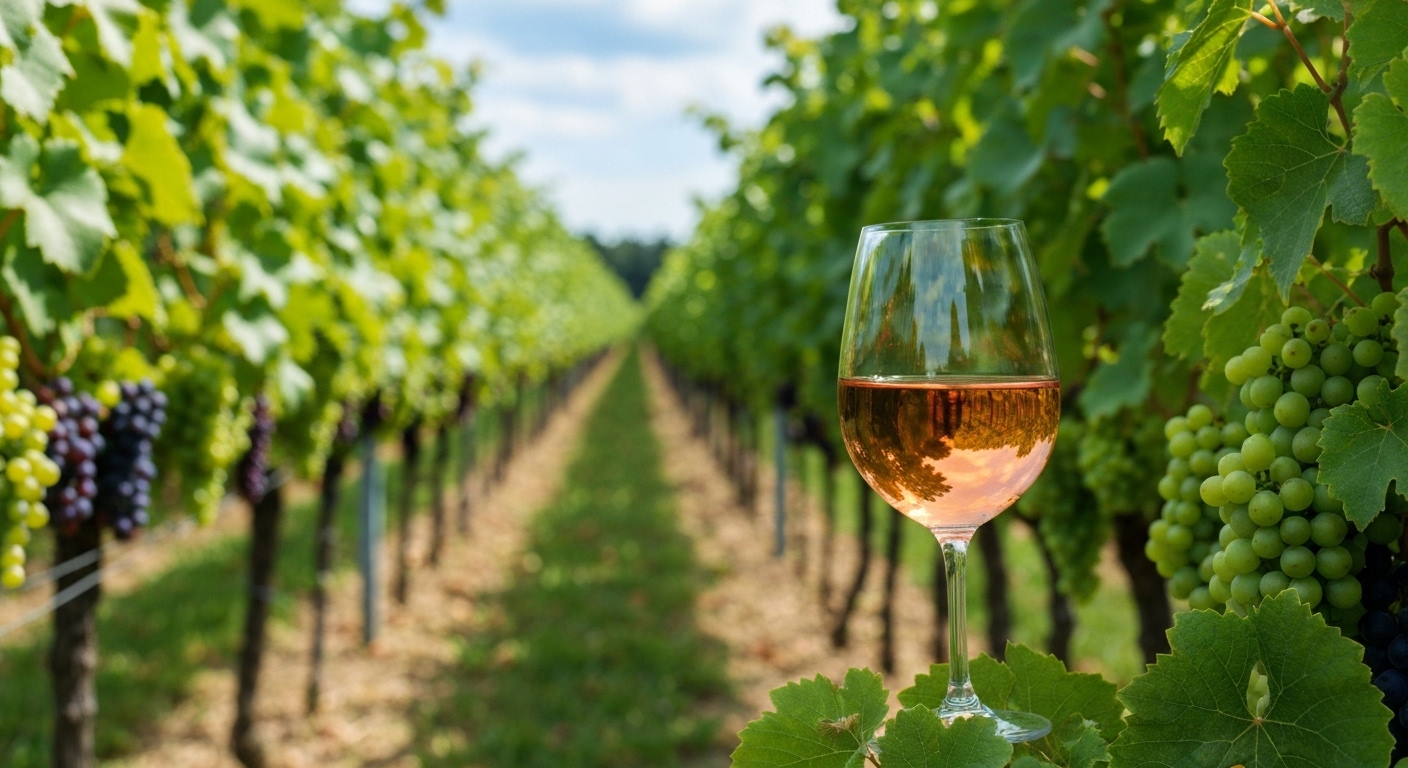
The short version is this. The color of a rosé has nothing to do with sweetness and very little to do with price. It comes from how long the grape juice sits with the skins, a process called maceration, and from how thick those skins are to begin with. A pale Provençal-style rosé barely touches the skins. A Tavel rosé macerates closer to 48 hours, which is where that deeper color comes from.
That means a darker rosé is not a sweeter rosé, and it usually isn't a more expensive one either. What it tends to be is more authentic, closer to how rosé was made for generations before pale pink became the fashion.
Is darker rosé sweeter or lower quality than pale rosé?
Neither, and that's the myth worth busting. The idea that lighter equals better is a fairly recent invention. Decanter magazine calls pale rosé "a relatively modern trend dating to the 1980s," made possible by better cooling technology in the cellar.
Before that, rosé came out closer to a light red. Those wines were inexpensive, made for everyday tables, and people sometimes dismissed them as farmer's wines. Over time that history curdled into a perception that the paler the wine, the more sophisticated it must be. It's marketing dressed up as taste.
Thick-skinned grapes like Garnacha naturally make a deeper rosé than something like pinot noir. That's the grape talking, not the sugar. If you've been skipping the darker bottles because you assumed they'd taste like dessert, you've been missing some of the most interesting wine on the shelf.
What dark rosé should I actually try?
One name Trippi points to is Foradori Lezèr from Trentino, in the foothills of the Dolomites in northern Italy. The story behind it is worth knowing. Elisabetta Foradori took over her family's winery at 19 and, instead of ripping out native vines to plant cabernet and chardonnay like everyone around her, she bet on Teroldego, an indigenous grape most of the wine world had forgotten.
The vines are at least 30 years old, grown on alluvial soil and vinified in amphora, concrete and steel with very little intervention. Lezèr means "light" in the local dialect, and the wine leads with cherry and strawberry up front, with blackberry, cranberry, cinnamon and a little spicy pepper underneath. It's the kind of bottle that rewards paying attention.
That's the real argument for dark rosé. It can sit at the table next to a summer salad on a Sylva back porch and still hold its own against something off the grill that same evening.
Why does this matter for a wine shop in Asheville?
Because the trend is swinging back toward tradition, and Asheville drinkers are well positioned to ride it. Interest in terroir, varietal expression and historical winemaking has people seeking out the older styles rather than the trendiest label. A shop like Metro Wines, close enough to downtown for an after-work stop, is exactly where that curiosity gets satisfied.
It also fits the way people eat and drink across Western North Carolina right now. Farm tables in Buncombe County, tailgate markets in Madison, small mountain restaurants leaning hard into local and seasonal cooking. A versatile, authentic rosé belongs in that picture far more than a bottle chosen purely because it's the right shade of pale.
So next time you're standing in front of the rosé shelf, don't let the color do your thinking for you. Ask what's in the bottle and how it was made. You might walk out with something deeper, both in the glass and in the story.
If conversations like this one make you wonder what everyday life in the mountains around Asheville could look like, Jon Tharp is always glad to talk it through.
Frequently Asked Questions
Is dark rosé sweeter than light rosé?
No. The color of a rosé comes from how long the grape juice stays in contact with the skins, a process called maceration, and from the thickness of the grape skin itself. A thick-skinned grape like Garnacha produces a deeper color than a pinot noir rosé, but none of that affects sweetness. Sweetness depends on residual sugar left after fermentation, which is a separate winemaking decision. A pale Provençal rosé and a deeper Tavel rosé can both be bone dry. Color tells you about extraction and grape variety, not how much sugar ends up in your glass.
Where can I buy dark rosé in Asheville?
Metro Wines at 169 Charlotte Street in Asheville carries a rotating selection that includes deeper-styled rosés alongside the pale Provençal bottles most shops stock. Co-owner Gina Trippi describes the shop as offering big-store selection with small-store service, which means you can ask for a darker, more traditional style and get a real recommendation rather than a guess. The shop sits in Buncombe County just north of downtown, an easy stop whether you live in town or are driving in from one of the surrounding mountain communities. You can reach Gina directly at gina@metrowinesasheville.com or 828.575.9525.
What is maceration in winemaking?
Maceration is the period when grape juice sits in contact with the grape skins, and it is where wine gets most of its color, aroma and flavor. The longer the juice stays on the skins, the more it extracts. A pale rosé made by direct press has very little maceration time, often just a quick crush. A Tavel rosé might macerate for around 48 hours, giving it a deeper, more intense hue. A full red wine can macerate anywhere from a week to a month. So the difference between a barely-pink rosé and a darker one often comes down to a matter of hours.
Why is pale rosé so popular?
Pale rosé is a relatively modern trend that Decanter magazine traces to the 1980s, made possible by advances in cooling technology during winemaking. Before that, rosé wines made by blending or longer maceration were closer to light reds in color, often inexpensive and made for everyday drinking. Those darker wines were sometimes called farmer's wines, and over time a perception took hold that lighter color meant higher quality and sophistication. That association stuck, which is why the pale Provençal style dominates store shelves today, even though color alone is not a reliable measure of how good a rosé actually is.
About the Author
Jon Tharp is a licensed NC real estate broker with Keller Williams. He's helped buyers and sellers across Western North Carolina for over 10 years, specializing in mountain homes, land, and short-term rental investments, with offices throughout WNC covering all mountainous areas. If something in this post has you thinking about a move, he's easy to reach — (828) 347-9055 or smokymountainhomes4sale.com or Jon@jontharphomes.com.
Ready to Find Your Mountain Home Near Asheville?
Whether you're looking to buy, considering a short-term rental investment, or ready to sell, the Jon Tharp Team brings deep local knowledge and marketing that puts your home in front of 50,000+ buyers in the first 30 days.
Search available homes across Western NC or call Jon directly at (828) 347-9055.
Talk to JonWhat Our Clients Say
43 five-star Google reviews — read them all on Google
"Jon is hands down the most dedicated and knowledgeable realtor that I have ever worked with. His expertise made the entire process of selling my home and finding a new one a smooth process."
Amy Davis · 2025
"Jon & his team are the greatest! Very professional, friendly like your neighbor, and always get back to your texts, phone calls & emails within minutes or same day, not days or weeks."
Cynthia Oelschlager · 2025
"I can’t say enough good things about Jon and his team. I was looking for investment properties and Jon spent time researching where would be a good place for an Airbnb — he found 2 beautiful properties."
Diane Cogswell · 2025
More from the Blog