By Jon Tharp, Broker · July 22, 2026
At a Glance
Western North Carolina sits at the global center of salamander diversity, with roughly 30 species in Great Smoky Mountains National Park alone. Herping, the hobby of searching for reptiles and amphibians, has a growing following here. Productive spots include seepage creeks in Pisgah and Nantahala national forests, the Highlands Biological Station in Macon County, and cold clean rivers like the Tuckasegee.
More salamander species live in the mountains of Western North Carolina than anywhere else on the planet, and most people driving US-441 through Macon County have no idea they are passing through the middle of it. The Southern Appalachians are the global center of salamander diversity, with Great Smoky Mountains National Park alone home to roughly 30 species. Mountain Xpress recently covered the growing local interest in herping, the hobby of heading out on purpose to find reptiles and amphibians.
It is more accessible than it sounds. From Asheville you can be standing over a productive creek in Pisgah National Forest inside of 30 minutes, or in Highlands in about two hours southwest, where the Highlands Biological Station has been studying these animals since 1927.
What makes these mountains so good for salamanders?
Glaciers never made it this far south. Species that got scraped off the map farther north survived here, and then the terrain did something unusual to them. Ridges and coves sit at wildly different elevations within a few miles of each other, populations got separated, and over long stretches of time they became distinct species.
Cool air, a lot of rain, and thousands of miles of small headwater streams keep it going. Many Appalachian salamanders are lungless and breathe through their skin, which is why they never stray far from damp ground.
Where do you actually go looking?
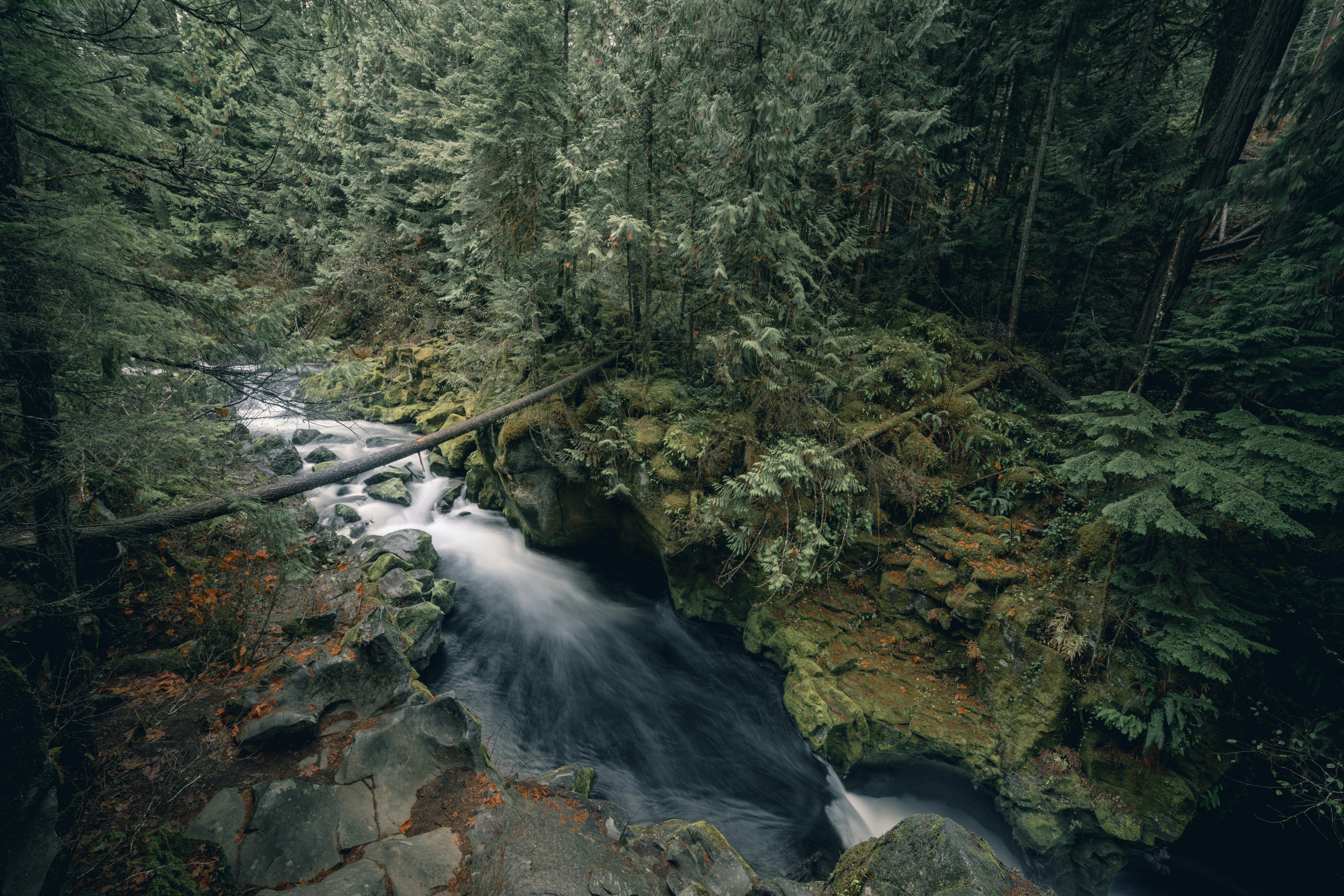
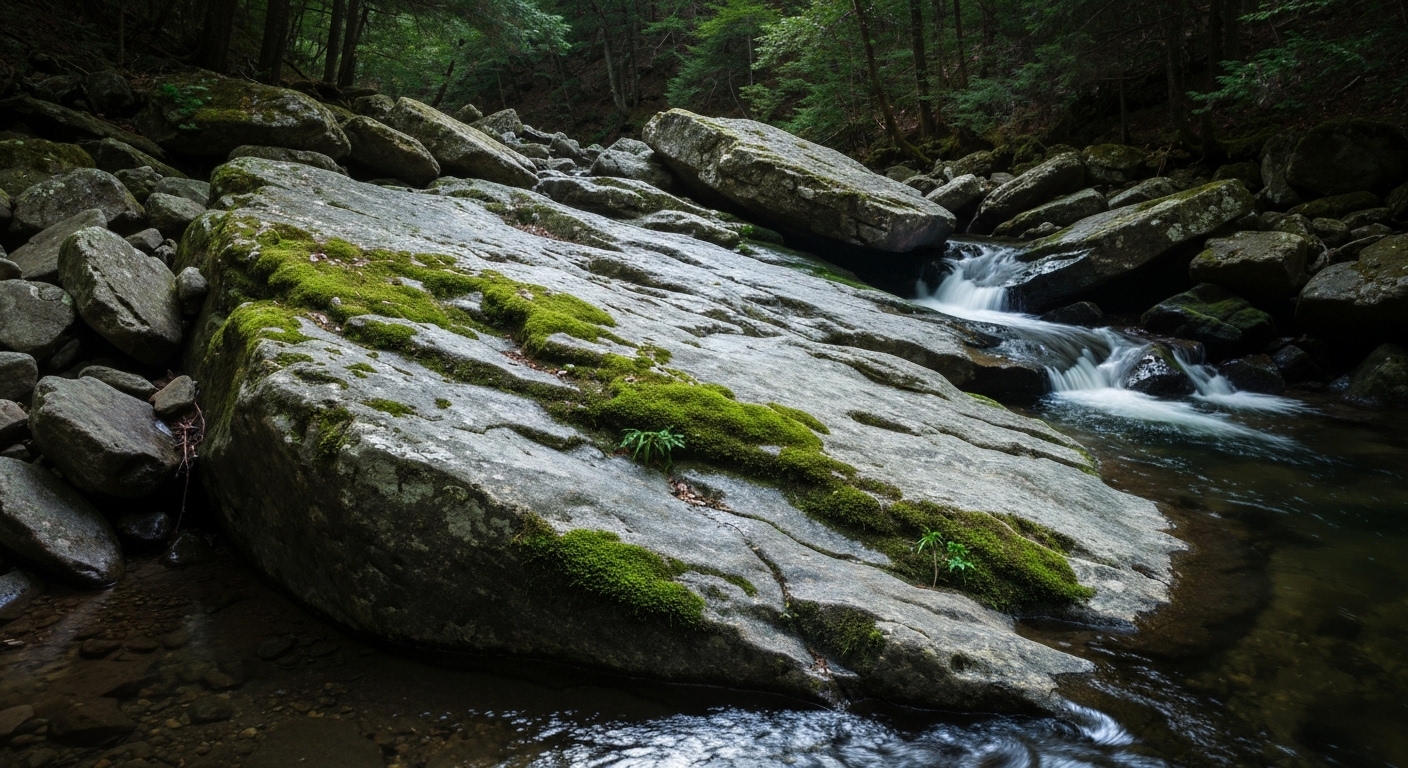
The best spots are rarely the famous ones. Small seeps along gravel forest service roads in Nantahala and Pisgah, the wet rock faces you drive past without noticing, and the edges of creeks after a warm rain all beat a crowded trailhead.
Around Sylva and Cullowhee, the Tuckasegee and its feeder streams hold hellbenders, the largest salamander in the state and one that can reach two feet. They are protected, secretive, and worth the wait to see one. Above Highlands, the escarpment cliffs are home to the green salamander, a crevice specialist that lives in very few places on earth.
The etiquette matters more than the gear. Turn a rock, look, and set it back exactly the way it was. That rock is somebody's house.
Should you be worried about snakes out here?
Two species are worth respecting in the mountain counties, the copperhead and the timber rattlesnake. Copperheads turn up around rock walls, woodpiles, and brushy yard edges at lower elevations. Timber rattlesnakes prefer rocky slopes and higher ground, and most people who live here go years without seeing one.
Neither wants anything to do with you. Nearly every serious bite in North Carolina involves somebody trying to handle or kill the animal. Watch where your hands go on rock, wear real shoes, and walk around.
What does this have to do with living here?
More than you would think. The same features that make a property desirable, a creek along the back line, a spring seep, cool north-facing woods, are the same features that make it good amphibian habitat.
I have walked plenty of land around Franklin, Cashiers, and Brevard where the buyer fell for the sound of running water and never realized the property was quietly supporting animals that exist in only a handful of places on the planet. Small streams and wetland areas can carry buffer requirements or septic siting considerations, so know what is on a parcel before you plan a build site.
There is also something here that has nothing to do with logistics. People move to these mountains for views and mild summers and end up staying for the smaller stuff, the sound of a creek in July, a salamander under a rock on a hike with a grandkid.
Kids take to this immediately, by the way. A headlamp, a rainy evening, and a shallow creek make for a better night than most things you could plan.
If reading this has you picturing what it would be like to have a creek in your own backyard somewhere in these mountains, Jon Tharp is always glad to talk it through.
Frequently Asked Questions
What is herping and how do you get started in Western North Carolina?
Herping is the practice of going out to find reptiles and amphibians in the wild, named after herpetology. Getting started here costs almost nothing. You need waterproof shoes, a headlamp for night walks, and a willingness to turn over rocks and rotting logs near water, then put them back exactly as you found them. Spring and early fall evenings after rain are the most productive times. Roadside seeps along forest service roads in Pisgah and Nantahala national forests are reliable, and iNaturalist is the easiest way to identify what you photograph. Collecting animals is restricted in North Carolina, so leave everything where it lives.
Why does Western North Carolina have so many salamander species?
The Southern Appalachians escaped glaciation during the last ice age, so species survived here that were wiped out elsewhere. Add extreme topography, ridges and coves at wildly different elevations, and populations became isolated from each other over millions of years and split into separate species. Cool temperatures, heavy rainfall, and thousands of miles of small headwater streams do the rest. Great Smoky Mountains National Park alone supports around 30 species, and the region is widely called the salamander capital of the world. Many species here are lungless, breathing through their skin, which is why they stay near moisture year round.
What venomous snakes live in the mountains around Franklin and Asheville?
In the mountain counties you are realistically dealing with two species, the copperhead and the timber rattlesnake. Copperheads are common at lower elevations and around edges, rock walls, woodpiles, and brushy yards. Timber rattlesnakes prefer rocky slopes and higher ground and are far less often encountered. Both are bite-averse and will leave if given room. Bites in North Carolina almost always happen when someone tries to handle or kill the snake. Watch where you put your hands and feet on rock, wear real shoes on trail, and give any snake you see a wide path around it.
Where can I see salamanders near Highlands or Sylva?
The Highlands Biological Station in Macon County has been a research base for Appalachian amphibians since 1927 and runs public programs and a botanical garden that make a good first stop. Nearby, the Blue Ridge escarpment above Highlands holds the green salamander, a rock-crevice specialist found in very few places. Around Sylva and Cullowhee, the Tuckasegee River and its cold feeder streams support hellbenders, North Carolina's largest salamander, though they are secretive and protected. Most people have better luck at small unnamed seeps along gravel forest roads than at any famous trailhead.
About the Author
Jon Tharp is a licensed NC real estate broker with Keller Williams. He's helped buyers and sellers across Western North Carolina for over 10 years, specializing in mountain homes, land, and short-term rental investments, with offices throughout WNC covering all mountainous areas. If something in this post has you thinking about a move, he's easy to reach — (828) 347-9055 or smokymountainhomes4sale.com or Jon@jontharphomes.com.
Ready to Make Western NC Your Home Base?
Whether you're looking to buy, considering a short-term rental investment, or ready to sell, the Jon Tharp Team brings deep local knowledge and marketing that puts your home in front of 50,000+ buyers in the first 30 days.
Search available homes across Western NC or call Jon directly at (828) 347-9055.
Talk to JonWhat Our Clients Say
43 five-star Google reviews — read them all on Google
"Jon is hands down the most dedicated and knowledgeable realtor that I have ever worked with. His expertise made the entire process of selling my home and finding a new one a smooth process."
Amy Davis · 2025
"Jon & his team are the greatest! Very professional, friendly like your neighbor, and always get back to your texts, phone calls & emails within minutes or same day, not days or weeks."
Cynthia Oelschlager · 2025
"I can’t say enough good things about Jon and his team. I was looking for investment properties and Jon spent time researching where would be a good place for an Airbnb — he found 2 beautiful properties."
Diane Cogswell · 2025
More from the Blog