By Jon Tharp, Broker · August 14, 2026
At a Glance
Four themed road trips cover Western North Carolina without repeating the usual overlook stops. Sasquatch lore runs from Haywood County's Boojum legend to the Sasquatch museum near Murphy. Film sites cluster at DuPont State Recreational Forest, Chimney Rock and Lake Lure. Bloom season moves uphill from spring through August, ending at the Cowee Valley lotus ponds. The bookstore loop links Sylva, Waynesville, Brevard, Asheville and Franklin in one long day.
There is a Haywood County legend about a tall, hairy creature that lived in the laurel thickets above Waynesville and came down to steal gems from mountain streams. The locals called it the Boojum. It has a brewery named after it now, which is about the most Western North Carolina outcome a folk monster could hope for.
That legend is the entry point to one of four road trips worth building a weekend around, and none of them involve pulling over at the same three overlooks everybody photographs. Sasquatch lore, movie locations, bloom season and independent bookstores each trace a different line across the same mountains. Here is how to run them.
The Sasquatch Route Runs West Until You Leave the State
Start with the Boojum, because it is ours. The story circulated around Eagle's Nest and the Waynesville area for well over a century, describing a shaggy, reclusive figure who hoarded rubies and sapphires and occasionally carried off a woman for company. Folklorists collected versions of it long before anyone in America used the word Sasquatch. Waynesville has since claimed it as a mascot rather than a menace.
From there the drive west gets more literal about its cryptids. Nantahala National Forest generates a steady trickle of sighting reports every year, most of them along the remote stretches of Macon, Graham and Cherokee counties where you can drive forest service roads for an hour without passing another vehicle. Whether you believe any of it, the terrain explains the persistence of the stories. There is a lot of country out there with nobody in it.
The anchor stop sits just over the Georgia line. Expedition: Bigfoot! The Sasquatch Museum in Blue Ridge holds casts, audio recordings, field research and expedition gear, one of the larger collections of that material in the Southeast. It is roughly forty five minutes from Murphy, which makes it an easy add to a day that already includes Andrews, the Valley River corridor and lunch downtown.
On the eastern end of the region, Marion hosts the WNC Bigfoot Festival, which grew from a small downtown event into something that shuts the street down and pulls tens of thousands of people into McDowell County. Dates move, so confirm before you plan a weekend around it.
The honest appeal of this route is not the monster. It is that it sends you to Murphy and Andrews and Marion, towns that most visitors blow past on their way to Asheville, and gives you a reason to actually stop.
You Have Already Seen These Waterfalls on Screen
DuPont State Recreational Forest, between Brevard and Hendersonville, is the most filmed piece of ground in the mountains. Triple Falls, High Falls and Hooker Falls sit close enough together that a moderate three mile walk covers all three. The first Hunger Games film shot its forest and waterfall sequences here in 2011, and Triple Falls in particular shows up clearly enough that people recognize it from the trail before they recognize the name.
The Last of the Mohicans got there first, in 1992. That production used DuPont as well, then moved to Chimney Rock for the cliff sequences that close the film, and to Biltmore Estate for interiors. Chimney Rock and the surrounding village took a hard hit from Helene's flooding in September 2024, and the rebuild has proceeded in stages since. Check current park and village status before you go, and if it is open, spend money there.
Lake Lure carries the Dirty Dancing association, though the accounting deserves a footnote. The production shot the lake scenes, including the famous lift practice in the water, at Lake Lure in 1987. It shot the resort buildings people picture in Virginia. Locals have been correcting that one politely for almost forty years.
What makes this trip work is the geography. Brevard, DuPont, Hendersonville, Chimney Rock and Lake Lure form a rough arc you can drive in a day with time to hike. Add Pisgah National Forest and Looking Glass Falls on the way out through US 276 and you have covered most of the region's filming locations before dinner.
The Small Theaters That Never Closed
The film trip has a second half that nobody puts on a list, which is the theaters themselves. Western North Carolina held onto a surprising number of single screen and small house cinemas at a time when most of rural America lost them.
The Colonial Theatre in Canton opened in 1932 and has survived a paper mill closure and two catastrophic floods. Canton has taken more punishment in the last five years than any town its size should have to absorb, and the fact that the Colonial still runs shows what the community decided to protect.
The Fine Arts Theatre on Biltmore Avenue in Asheville has run independent and foreign film since the 1940s and remains the most reliable place in the region to catch something that will never reach a multiplex. Highlands Playhouse has mixed live theater and film for decades in a town where the population triples every summer.
Brevard, Waynesville and Franklin all keep small operating houses as well, the kind where a ticket costs less than a coffee in Asheville and somebody at the counter knows your name by the second visit.
Pairing a filming location hike with an evening show at one of these is the whole trip in one day. Hike DuPont in the afternoon, drive twenty minutes into Brevard, eat downtown, catch whatever is showing. You get the scenery in the afternoon and a seat in town after dark.
Bloom Season Climbs the Mountain All Summer
The flower trip is the one most people time wrong. They come in April expecting mountain color and find bare gray ridges above three thousand feet, because bloom season here does not happen on a date. It happens on an elevation.
Trout lilies and trillium come first in the low coves around Franklin, Sylva and Cullowhee, usually late March into April. Mountain laurel follows in May. Catawba rhododendron, the purple one everybody photographs, peaks along the high Blue Ridge Parkway in mid to late June, with Craggy Gardens near milepost 364 as the reliable target. Roan Mountain on the Tennessee line runs a similar schedule across one of the largest natural rhododendron gardens in the country.
Flame azalea overlaps at the highest balds in late June, orange against green in a way that photographs poorly and looks unreal in person.
Then there is the outlier. Perry's Water Gardens sits in the Cowee Valley north of Franklin, growing lotus and water lilies across a series of ponds that peak in July and August, long after the ridge blooms are finished. It is a genuinely strange thing to find at the end of a rural road in Macon County, and it extends the flower season by two full months. Hours are seasonal, so call.
Run the whole progression and you get a five month trip rather than a weekend, moving uphill as the summer goes.
The Bookstore Loop Nobody Advertises
Five independent bookstores sit within a driving loop you can complete in one long day, and the density is unusual for a rural region.
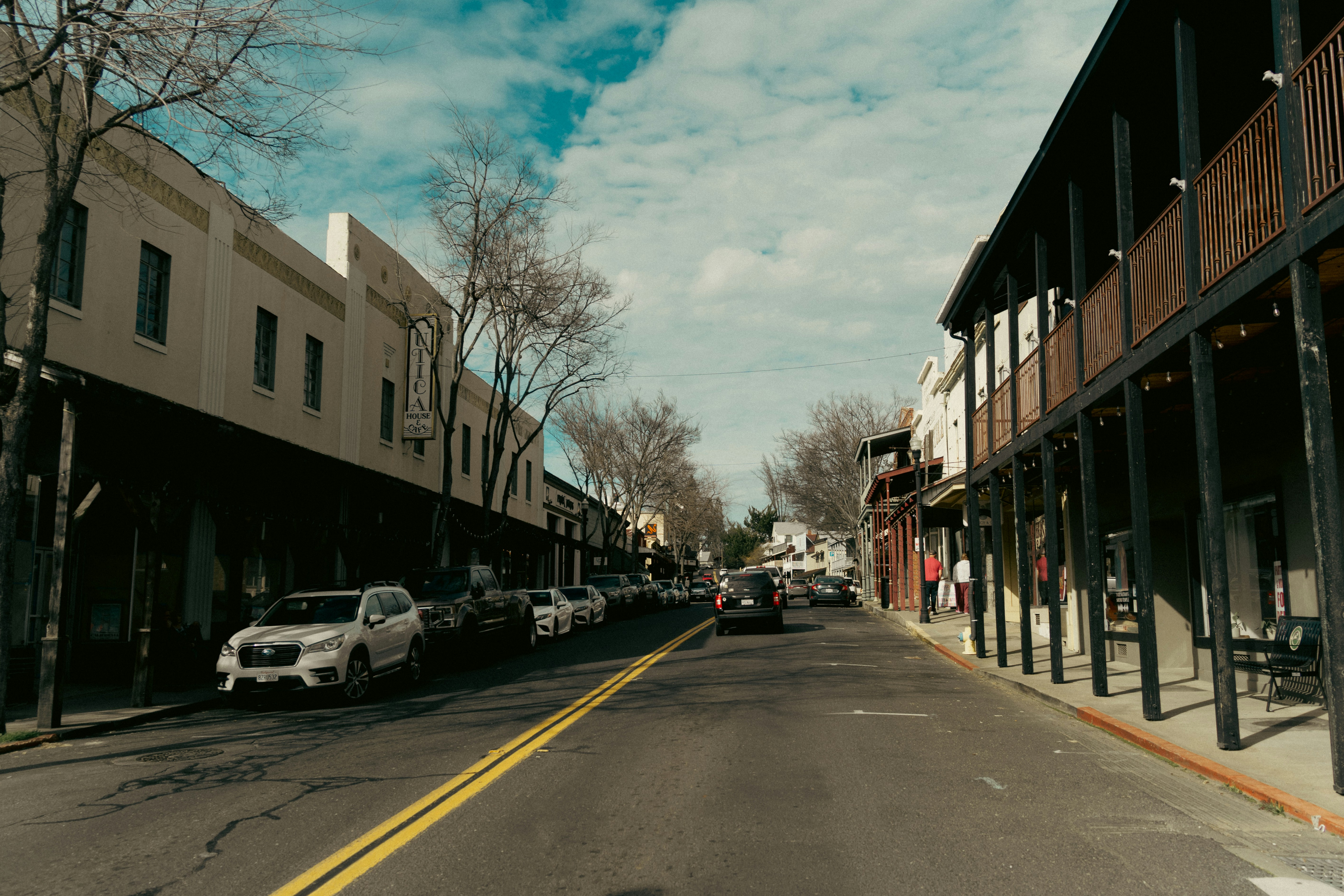
City Lights Bookstore has held down Jackson Street in Sylva since 1985, with a deep Appalachian literature section and a steady author event calendar. Sylva itself, with the old courthouse looming over Main Street, justifies the stop regardless.
Blue Ridge Books in Waynesville functions as much as a community room as a retail store. Highland Books in Brevard does the same thing on the other side of the Balsams. Malaprop's in downtown Asheville, running since 1982, pulls national touring authors into a room small enough that you can actually talk to them afterward. Books Unlimited anchors the far western end in downtown Franklin.
The practical route runs Asheville to Waynesville to Sylva to Franklin, with Brevard as either a spur or a return leg over US 64 through the Cullasaja Gorge. That last stretch, past Cullasaja Falls, Dry Falls and the Bridal Veil Falls you can drive behind, is one of the best forty five minutes of road in the state. Note that this Bridal Veil is not the DuPont one from the movie trip. Both names exist, twenty five miles apart, and they confuse people constantly.
Every one of these stores keeps a regional shelf. Buy something local at each stop and you will finish the loop with a better education in Western North Carolina than any guidebook gives you.
How to Actually Run These Trips
A few things save trouble. Cell service drops out across large parts of Macon, Graham, Clay and Swain counties, so download maps before you leave pavement you know. The Blue Ridge Parkway closes sections without much warning in winter and during storms, and the closure map is worth checking the morning you drive, not the night before.
Gas up in the last real town before a long forest stretch. Nantahala and Pisgah both have long gaps between stations.
Post-Helene conditions still affect some routes and destinations, particularly in the Chimney Rock, Lake Lure, Swannanoa and Hot Springs areas. Recovery is real and ongoing, and visitor spending is part of it, but current information beats a two year old article every time.
Plan two hundred miles a day at most. Mountain miles run slow, and the entire point is that you stop.
What These Trips Look Like When You Live Here
The difference between visiting Western North Carolina and living in it comes down to repetition. A visitor drives to Craggy Gardens once and sees rhododendron. Somebody who lives in Sylva or Waynesville watches the bloom line move up the mountain for two months and knows without checking that the laurel is done and the flame azalea is starting.
The same goes for the rest of it. You stop thinking of DuPont as a movie location and start thinking of it as where you take out of town family on a Saturday. City Lights becomes the place you kill forty minutes before dinner. The Colonial in Canton becomes a Friday night rather than a landmark.
That accumulation is what people are actually reaching for when they start planning trips out here three or four times a year. It is why so many second home searches in Franklin and Highlands and Brevard begin with somebody who came for a long weekend and kept coming back.
If a season of these drives ever turns into a conversation about where you would want to wake up instead of where you would want to visit, I am around and easy to reach.
Frequently Asked Questions
What movies were filmed in Western North Carolina?
The best known are The Last of the Mohicans, which used Chimney Rock, DuPont State Recreational Forest and Biltmore Estate in 1992, and the first Hunger Games film, which shot its forest and waterfall sequences at DuPont in 2011. Dirty Dancing used Lake Lure for its outdoor water scenes in 1987, though the resort buildings were filmed in Virginia. Biltmore has appeared in several other productions over the years, including Richie Rich and Patch Adams. DuPont is the densest cluster, since Triple Falls, High Falls and Hooker Falls sit within a couple of miles of each other on well-marked trails.
When is the best time to see rhododendron blooms in the North Carolina mountains?
Bloom timing depends almost entirely on elevation, which is why the season stretches out here far longer than people expect. Lower valleys around Franklin and Sylva usually peak in May. Catawba rhododendron along the high Blue Ridge Parkway, including Craggy Gardens near milepost 364, generally peaks in mid to late June. Roan Mountain on the North Carolina and Tennessee line runs on a similar schedule, sometimes a few days later. Flame azalea overlaps in late June at the highest balds. A cold spring pushes everything back a week or two, so call a visitor center before driving several hours.
What are the best independent bookstores in Western North Carolina?
City Lights Bookstore in Sylva is the anchor of the region, operating on Jackson Street since 1985 with a strong Appalachian literature section and a regular author event schedule. Malaprop's in downtown Asheville has been running since 1982 and draws national touring authors. Blue Ridge Books in Waynesville and Highland Books in Brevard both serve as community gathering points as much as retail shops, and Books Unlimited in downtown Franklin covers the far western end. All five sit within a reasonable driving loop, and each keeps a shelf of local and regional titles you will not find in a chain store.
Are Chimney Rock and Lake Lure open after Hurricane Helene?
Both areas took severe damage in September 2024 when the Rocky Broad River flooded the village of Chimney Rock, and recovery has been happening in phases since then. Access to the state park, the village businesses and the roads approaching Lake Lure has changed multiple times during rebuilding. Check the North Carolina State Parks site and the town of Lake Lure's official channels for current conditions before you make the drive, rather than relying on older travel articles or map apps. The area welcomes visitors, and spending money there matters, but going in with current information saves a wasted trip.
About the Author
Jon Tharp is a licensed NC real estate broker with Keller Williams. He's helped buyers and sellers across Western North Carolina for over 10 years, specializing in mountain homes, land, and short-term rental investments, with offices throughout WNC covering all mountainous areas. If something in this post has you thinking about a move, he's easy to reach — (828) 347-9055 or smokymountainhomes4sale.com or Jon@jontharphomes.com.
Ready to Make Western NC Your Home Base?
Whether you're looking to buy, considering a short-term rental investment, or ready to sell, the Jon Tharp Team brings deep local knowledge and marketing that puts your home in front of 50,000+ buyers in the first 30 days.
Search available homes across Western NC or call Jon directly at (828) 347-9055.
Talk to JonWhat Our Clients Say
43 five-star Google reviews — read them all on Google
"Jon is hands down the most dedicated and knowledgeable realtor that I have ever worked with. His expertise made the entire process of selling my home and finding a new one a smooth process."
Amy Davis · 2025
"Jon & his team are the greatest! Very professional, friendly like your neighbor, and always get back to your texts, phone calls & emails within minutes or same day, not days or weeks."
Cynthia Oelschlager · 2025
"I can’t say enough good things about Jon and his team. I was looking for investment properties and Jon spent time researching where would be a good place for an Airbnb — he found 2 beautiful properties."
Diane Cogswell · 2025
More from the Blog