By Jon Tharp, Broker · June 30, 2026
At a Glance
Western North Carolina growers are preserving heirloom tomato varieties bred for the mountains, including Barnes Mountain Pink and the West Virginia classic Mortgage Lifter. Christina Gordon of Fun Frolic Farm near Burnsville nearly lost the Barnes Mountain Pink line in 2020 before tracking down the last seeds. These mountain-adapted tomatoes handle our cooler, damper microclimates better than typical commercial varieties, and seed-saving keeps them in circulation at local markets each summer.
A grower near Burnsville once drove south of Hendersonville to pick up roughly 20 tomato seeds. That was the entire surviving supply of a variety she had come to love, and without that trip it might have disappeared for good.
That variety is the Barnes Mountain Pink, a slicer tomato that grows well in the cool, damp pockets of the Western North Carolina mountains. Its story, along with the story of a West Virginia classic called the Mortgage Lifter, says a lot about why heirloom tomatoes still matter here. These are not just pretty fruit at a market table. They carry living history forward one saved seed at a time, kept by people who decided a flavor was worth protecting.
Summer heat is what brings these tomatoes on, and right now is the season when they take over gardens and market stalls from Canton to the South Toe River valley.
A Staple Long Before It Was a Treat
It is easy to think of the tomato as a farmers market luxury, the thing you splurge on for a perfect August sandwich. For a lot of people in these mountains, it has always been something more practical than that.
Tomatoes are both a summer treat and a long-time staple food for people living directly with the land. Plenty of mountain growers interact with them mostly in that second way. One local grower puts in 100 feet of paste tomatoes every year purely for canning, turning out hundreds of jars to last until the next harvest.
That kind of volume is not about a single great sandwich. It is about plain tomato sauce, barbecue sauce, pickled green tomatoes and a rotation of salsas, all put up in summer to carry a household through winter. The harvest is a year-round food source compressed into a few hot months of work.
This is the older relationship with the tomato, and it still runs strong in Buncombe County and the counties around it. When you understand that tomatoes were a pantry crop first and a delicacy second, the seed-saving makes more sense. You do not drive across two counties for 20 seeds of a fashionable garnish. You do it for food you depend on.
Knowing Your Tomato Types
Tomatoes come in a wide range of shapes, sizes and colors, and the differences are not just cosmetic. Each type earns its place in the garden by doing a specific job in the kitchen.
Paste tomatoes are the workhorses. They carry a lower water content, which means they are less juicy, with thin skin and thick flesh. That combination makes them the right choice for sauce because they cook down into something rich instead of staying thin and watery. If you are canning hundreds of jars, this is the tomato you are growing.
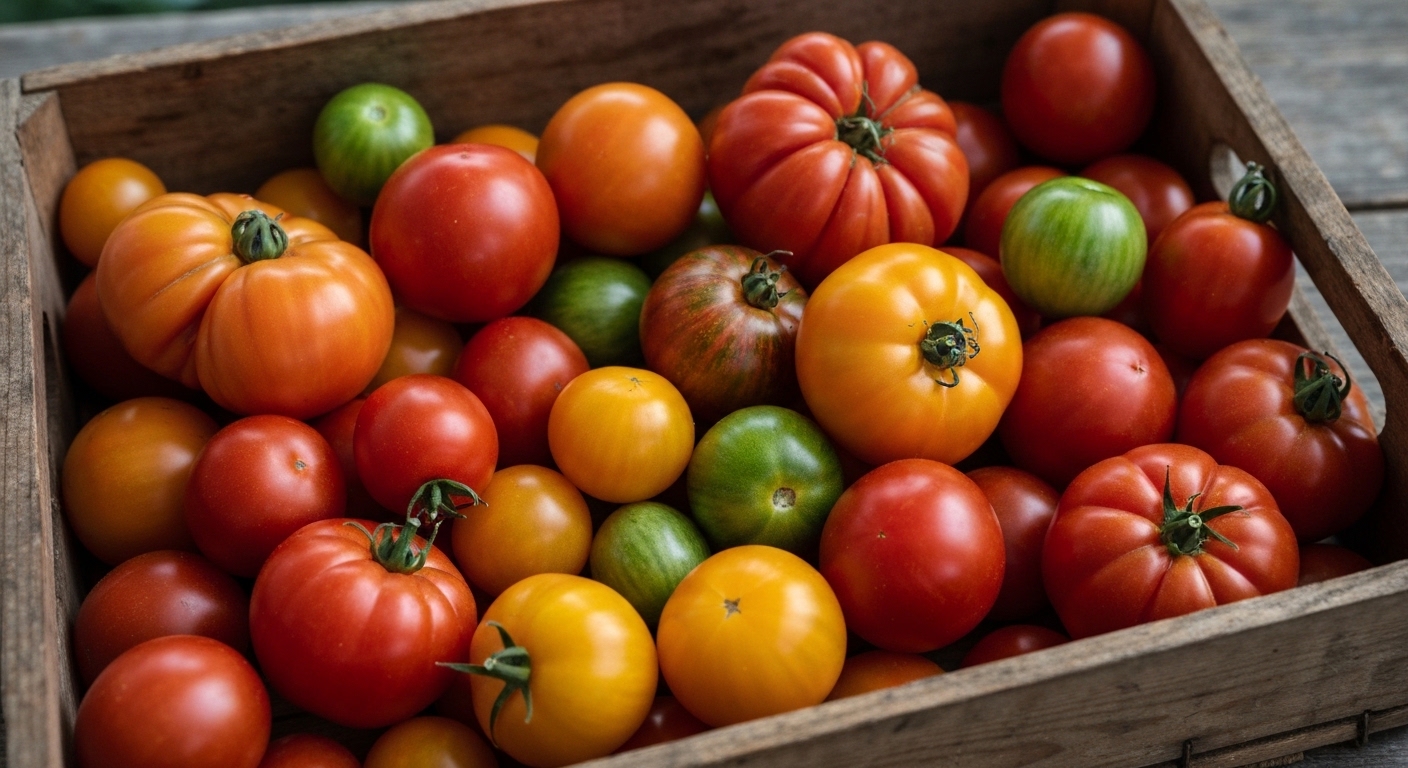
Slicer-type tomatoes are the opposite end of the spectrum. These are the big, juicy varieties you reach for when you want a tomato sandwich or any fresh recipe where the fruit is the star. Both the Barnes Mountain Pink and the Mortgage Lifter fall into this camp, which is part of why they have such devoted followings.
Then there are cherry tomatoes, the small, sweet ones that are perfect for keeping little hands snacking through the garden. Many mountain growers raise all three at once, long rows of paste tomatoes for the canning shelf, slicers for the table, and cherries for the kids and the salad bowl.
The Barnes Mountain Pink Comeback
Christina Gordon of Fun Frolic Farm relocated to Burnsville in 2014, leaving behind the hot, dry conditions of Georgia for a very different growing world along the South Toe River. The mountain microclimate she found was cooler and damper, the kind of place where a Georgia-tested tomato might struggle.
That is when she came across the Barnes Mountain Pink, a slicer variety that did not just survive in those conditions but thrived in them. After a few seasons of falling in love with it, Gordon made a big decision. She switched to growing only that variety, and in the process came to understand just how rare it actually was.
The trouble came in 2020. The farmer she had originally gotten her seeds from stopped farming, and Gordon had not followed her own advice to always save her own seed. When she went online to buy more, the Barnes Mountain Pink was not available anywhere. So she called the farmer directly. They had about 20 seeds left, and she drove down south of Hendersonville to pick them up in person.
Those 20 seeds launched a multi-year rescue. Gordon saved seed and shared plants until she had rebuilt her own reliable supply and could grow enough to produce starts for others.
Bringing It to the Market
Once Gordon had stabilized her seed stock, she did the thing that actually keeps a variety alive long term. She put it in other people's hands.
Starting in 2023, Fun Frolic Farm has brought Barnes Mountain Pink plants to the Asheville Herb Festival every year. What began as a rescue mission has turned into a small tradition, with customers returning each spring specifically to pick up their Barnes Mountain Pink starts. A variety that nearly vanished now has a following.
Gordon does not just hand over a plant and a price. She tells everyone the story, and she tells them to save their own seed. That second part is the real lesson she learned the hard way in 2020. A tomato variety is only as safe as the number of people growing and saving it, and a single farm holding the only seed is a single point of failure.
This is how heirlooms have always survived, long before the word heirloom became a marketing term. They move from gardener to gardener, carried by people who care enough to keep them going. Every customer who walks away from that festival table with a start and a story becomes another insurance policy for the Barnes Mountain Pink.
Mortgage Lifter and the Two Trees Story
Over in Canton, Two Trees Farm tells a similar story with a different tomato. The farm supplies both heirloom tomato starts and fresh fruit to Haywood's Historic Farmers Market, and one of its favorites carries a name that practically demands an explanation.
The Mortgage Lifter is a West Virginia original, which is exactly why co-owner Sara Martin loves it. Martin is from West Virginia herself, and there is something fitting about a grower keeping alive a variety from her home state. The name comes from a piece of farming lore. As the story goes, the farmer who developed it paid off his mortgage with the profits from selling the tomatoes.
Martin describes them as big, beautiful red tomatoes, meaty and flavorful the way a real tomato should be. That phrase captures what people are chasing when they seek out heirlooms in the first place. After enough years of supermarket tomatoes bred to ship well and look uniform, a meaty, flavorful slicer feels like a real find.
What ties Two Trees and Fun Frolic Farm together is not the specific variety but the instinct behind it. Both farms are choosing tomatoes with roots in Appalachia, plants that carry a story and a sense of place. They are also choosing to grow them out in the open at local markets, where the fruit and the history travel together into the community.
Why Mountain-Adapted Varieties Matter
There is a practical reason these particular tomatoes have staying power in Western North Carolina, and it comes back to climate. Our mountains are not Georgia, and they are not the flat, hot tomato country of the Deep South. The cooler temperatures and the damp that settles into the river valleys create growing conditions that a lot of commercial varieties were never built for.
That is the whole point of the Barnes Mountain Pink story. Gordon did not adopt it because it was trendy. She adopted it because it actually performed along the South Toe River when she was learning a brand new microclimate. A variety that does well in cool, damp conditions is valuable to a mountain grower, and that practical edge is exactly what gets lost when a seed line disappears.
Heirloom does not only mean old. In this region it often means locally proven. Generations of mountain growers have spent years keeping these adapted varieties alive precisely because they earn their keep here. When you buy a start from a local farm rather than a generic plant from a big box store, you are buying that accumulated knowledge along with the plant.
For anyone who has thought about putting down roots in these mountains, the lesson scales up. The people who do best here are the ones who learn what already works in this specific place. If the rhythm of growing seasons and small farms in these mountains is the kind of life you keep picturing for yourself, it is worth knowing how deep that tradition runs before you decide where to land.
So this summer, when you pass a market table stacked with pink and red slicers, ask the grower what the variety is called. There is a decent chance the answer comes with a story, and maybe a few seeds worth saving.
Frequently Asked Questions
What is a Barnes Mountain Pink tomato?
Barnes Mountain Pink is a pink slicer-type heirloom tomato adapted to the cooler, damper microclimates of the Western North Carolina mountains. Christina Gordon of Fun Frolic Farm near Burnsville discovered it thrived along the South Toe River after she relocated from the hot, dry conditions of Georgia in 2014. She fell in love with the variety and eventually grew it exclusively. The tomato is rare, and Gordon nearly lost access to seed in 2020 when the original farmer stopped growing. She now sells starts each year at the Asheville Herb Festival, where returning customers have built a small following around it.
Why is the tomato called Mortgage Lifter?
The Mortgage Lifter tomato originated in West Virginia, and the name comes from a story about its profitability. According to the lore, the farmer who developed it paid off his home mortgage using the proceeds from selling the tomatoes and plants. It produces big, meaty, flavorful red fruit, the kind many growers consider how a real tomato should taste. Sara Martin of Two Trees Farm in Canton grows it partly because the variety, like her, comes from West Virginia. You can find both starts and fresh fruit from Two Trees at Haywood's Historic Farmers Market during the season.
What is the difference between paste, slicer, and cherry tomatoes?
The three types serve different kitchen purposes. Paste tomatoes have lower water content, thin skin and thick flesh, which makes them ideal for sauces, salsas and canning because they cook down well without staying watery. Slicer-type tomatoes are the large, juicy varieties you want for tomato sandwiches and fresh recipes, prized for flavor and texture when eaten raw. Cherry tomatoes are small, sweet and snackable, perfect for kids and salads. Many WNC growers raise all three, dedicating long rows to paste tomatoes for putting up jars while reserving slicers and cherries for fresh market sales.
Where can I buy heirloom tomato plants in Western North Carolina?
Local farmers markets and seasonal plant festivals are your best sources for mountain-adapted heirloom tomato starts. The Asheville Herb Festival is where Christina Gordon of Fun Frolic Farm has sold Barnes Mountain Pink starts each spring since 2023. Two Trees Farm in Canton offers heirloom starts and fruit at Haywood's Historic Farmers Market. Buying from local growers means you get varieties already proven in our cooler, damper climate rather than generic commercial types bred for other regions. It also connects you to the seed-saving stories that keep these tomatoes alive, and many growers are happy to share growing tips.
About the Author
Jon Tharp is a licensed NC real estate broker with Keller Williams. He's helped buyers and sellers across Western North Carolina for over 10 years, specializing in mountain homes, land, and short-term rental investments, with offices throughout WNC covering all mountainous areas. If something in this post has you thinking about a move, he's easy to reach — (828) 347-9055 or smokymountainhomes4sale.com or Jon@jontharphomes.com.
Ready to Make Western NC Your Home Base?
Whether you're looking to buy, considering a short-term rental investment, or ready to sell, the Jon Tharp Team brings deep local knowledge and marketing that puts your home in front of 50,000+ buyers in the first 30 days.
Search available homes across Western NC or call Jon directly at (828) 347-9055.
Talk to JonWhat Our Clients Say
43 five-star Google reviews — read them all on Google
"Jon is hands down the most dedicated and knowledgeable realtor that I have ever worked with. His expertise made the entire process of selling my home and finding a new one a smooth process."
Amy Davis · 2025
"Jon & his team are the greatest! Very professional, friendly like your neighbor, and always get back to your texts, phone calls & emails within minutes or same day, not days or weeks."
Cynthia Oelschlager · 2025
"I can’t say enough good things about Jon and his team. I was looking for investment properties and Jon spent time researching where would be a good place for an Airbnb — he found 2 beautiful properties."
Diane Cogswell · 2025
More from the Blog