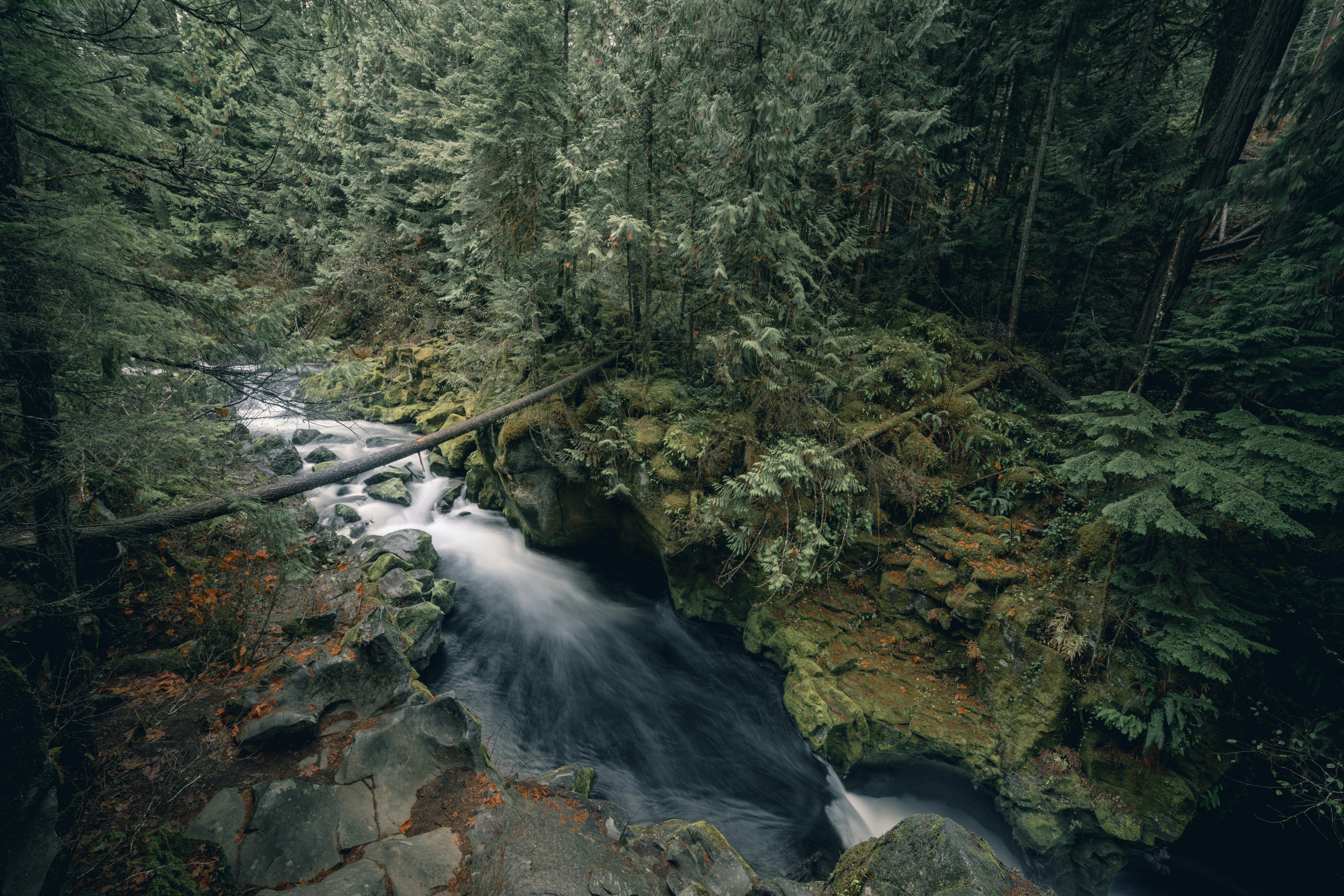
Photo by Jeffrey Hamilton (@pistos) on Unsplash
By Jon Tharp, Broker · May 24, 2026
At a Glance
The Southern Appalachians, particularly the Highlands Plateau in Macon County, contain the highest salamander diversity of any temperate region on Earth. Over 50 species live in these mountains, supported by clean, cold streams and ancient forest ecosystems. The Highlands Chamber hosts educational programs on salamander biology that draw naturalists, researchers, and curious visitors from across the country.
Fifty species of salamanders live in the mountains around Highlands, NC. That number is not a regional talking point. It makes the Southern Appalachian highlands one of the most salamander-diverse temperate ecosystems anywhere on the planet, and it draws biologists here the same way birders chase migrations or anglers follow hatches.
The Highlands Chamber is hosting a program on the biology of Southern Appalachian salamanders, giving locals and visitors a chance to understand what makes these mountains so unusual from a scientific perspective. It is the kind of event that sounds niche until you realize the forest behind your rental cabin or the stream crossing on your morning hike is likely home to a dozen species found almost nowhere else.
The reason for all this diversity comes down to geology and time. The Southern Appalachians were never scraped clean by glaciers during the last ice age. While most of the northern continent was buried under ice, these mountains stayed accessible, and the plants and animals that lived here kept adapting and diverging for millions of years without interruption. Salamanders, which need cool humid conditions and clean water, found something close to ideal here and never left.
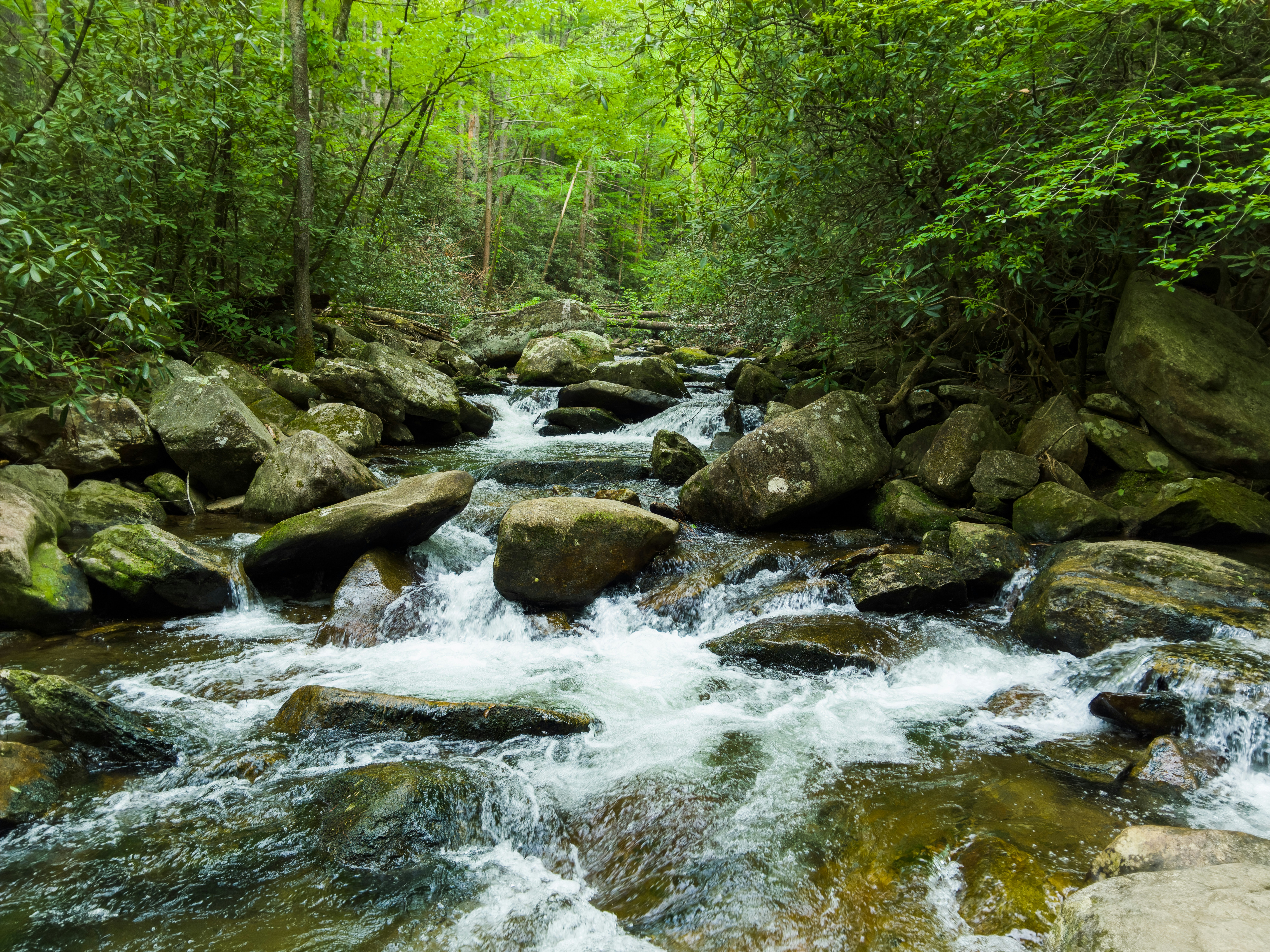
The Highlands Plateau sits at around 4,000 feet, making it one of the highest towns in the eastern United States. It receives more than 80 inches of rain per year, one of the wettest climates outside of the Pacific Northwest. That moisture soaks into old-growth forest floors, feeds cold streams, and creates the specific microhabitat that lungless salamanders, which breathe through their skin, depend on entirely.
Most of what lives in these woods belongs to the family Plethodontidae, the lungless salamanders. Without lungs, they are fully dependent on staying moist, which keeps them tied to shaded stream banks, mossy rocks, and the underside of logs in mature forest. Spot them by flipping rocks in a cold mountain creek, then replacing the rocks carefully. Species like the red-cheeked salamander and the shovel-nosed salamander have scientific names and almost no popular recognition, living in drainages you could step across.
The Highlands Biological Station has been documenting this ecosystem since 1927. Researchers from UNC Chapel Hill and Western Carolina University use it as a field base, and the station runs a nature center that puts this science in front of casual visitors. Events like the Chamber's salamander program build on that infrastructure, connecting people to the research that has been quietly happening here for nearly a century.
There are practical stakes to this beyond the biology. Salamanders are indicator species. When stream quality drops, salamander populations follow. The Eastern hellbender, a fully aquatic giant that can exceed two feet in length, has declined across its Appalachian range as sediment from development clogs the gravel beds where it nests. Protecting salamander habitat means protecting clean water, intact forest buffers, and the stream corridors that define the character of these mountains.
For people who live here or are thinking about it, that character is not abstract. The same watershed conditions that support 50 salamander species also mean cold clear trout streams, reliable well water, and forests that look more or less the way they have for thousands of years. That level of biodiversity reflects a landscape that has not been used up.
The Highlands area draws naturalists, researchers, and visitors who want access to an ecosystem that is rare. It also draws people who simply want to live somewhere with clean water and room to breathe. Those two groups overlap more than you might expect.
If the idea of living surrounded by this kind of landscape is something you have been turning over, Jon Tharp knows this part of Macon County well and is glad to talk through what is available.
Frequently Asked Questions
How many species of salamanders live in the Southern Appalachians?
The Southern Appalachian Mountains are home to more than 50 species of salamanders, making the region the most salamander-diverse temperate zone on the planet. Macon County and the surrounding Highlands Plateau are considered ground zero for this diversity. The high elevation, abundant rainfall, cold clean streams, and ancient unglaciated forest give salamanders conditions they have had millions of years to adapt to. Biologists from around the world study this region specifically because no other temperate landscape comes close to matching it.
What is the Highlands Biological Station and what role does it play in salamander research?
The Highlands Biological Station, affiliated with Western Carolina University and UNC Chapel Hill, has operated in Highlands, NC since 1927. It is one of the oldest field research stations in the Southeast and has been a hub for salamander biology and broader Appalachian ecology research for nearly a century. The station runs public programming, summer courses, and nature center exhibits that make its research accessible to visitors and locals alike. It partners with organizations including the Highlands Chamber on community education events.
What is a lungless salamander and why are so many found in WNC?
Most Appalachian salamanders belong to the family Plethodontidae, known as lungless salamanders because they breathe entirely through their moist skin and the lining of their mouth. This adaptation ties them closely to cool, humid environments like the mossy stream banks and damp forest floors throughout the Blue Ridge. Because the Southern Appalachians were never glaciated during the last ice age, species that evolved here had millions of uninterrupted years to diversify. That stability is the main reason this region hosts so many distinct species in such a compact geographic area.
Where in Macon County can I find salamanders in the wild?
Macon County has abundant salamander habitat throughout its forests and stream corridors. The Cullasaja Gorge along US-64 between Franklin and Highlands is a productive area, with cold cascading water and mossy rock faces that support multiple species. The Nantahala National Forest, which covers large portions of the county, offers miles of stream habitat accessible by trail. The area around Highlands itself, particularly near the Highlands Biological Station and in the Whiteside Mountain corridor, is well documented for species diversity. Turn over rocks carefully along stream edges, and replace them when done.
Are Appalachian salamanders threatened, and what are the biggest risks to them?
Several Appalachian salamander species are considered vulnerable or threatened. The Eastern hellbender, North America's largest salamander, has declined significantly due to sedimentation in streams from land disturbance and development. Chytrid fungus, a global amphibian pathogen, poses a growing threat. Climate change is also a concern because salamanders are so closely tied to cool temperatures and moisture. Clean water protections, intact forest buffers along streams, and low-impact land use in riparian zones are the most direct ways to protect salamander populations at a local level.
Ready to Find Your Mountain Home Near Highlands?
Whether you're looking to buy, considering a short-term rental investment, or ready to sell, the Jon Tharp Team brings deep local knowledge and marketing that puts your home in front of 50,000+ buyers in the first 30 days.
Search available homes across Western NC or call Jon directly at (828) 347-9055.
Talk to JonWhat Our Clients Say
43 five-star Google reviews — read them all on Google
"Jon is hands down the most dedicated and knowledgeable realtor that I have ever worked with. His expertise made the entire process of selling my home and finding a new one a smooth process."
Amy Davis · 2025
"Jon & his team are the greatest! Very professional, friendly like your neighbor, and always get back to your texts, phone calls & emails within minutes or same day, not days or weeks."
Cynthia Oelschlager · 2025
"I can’t say enough good things about Jon and his team. I was looking for investment properties and Jon spent time researching where would be a good place for an Airbnb — he found 2 beautiful properties."
Diane Cogswell · 2025
More from the Blog