By Jon Tharp, Broker · June 21, 2026
At a Glance
Maggie Valley raised its property tax rate by two cents per $100 of valuation for the new fiscal year. The increase stems largely from delayed FEMA reimbursements tied to Tropical Storm Helene recovery, which left the town covering disaster costs up front while waiting on federal money. For a $300,000 home, the change adds about $60 a year.
A Maggie Valley tax bill is going up this year, and the reason traces back to a storm rather than to new spending the town went looking for. The town board approved a budget for the upcoming fiscal year that raises the property tax rate by two cents per $100 of assessed value. Much of that increase comes down to a single reality: the town is still waiting on FEMA.
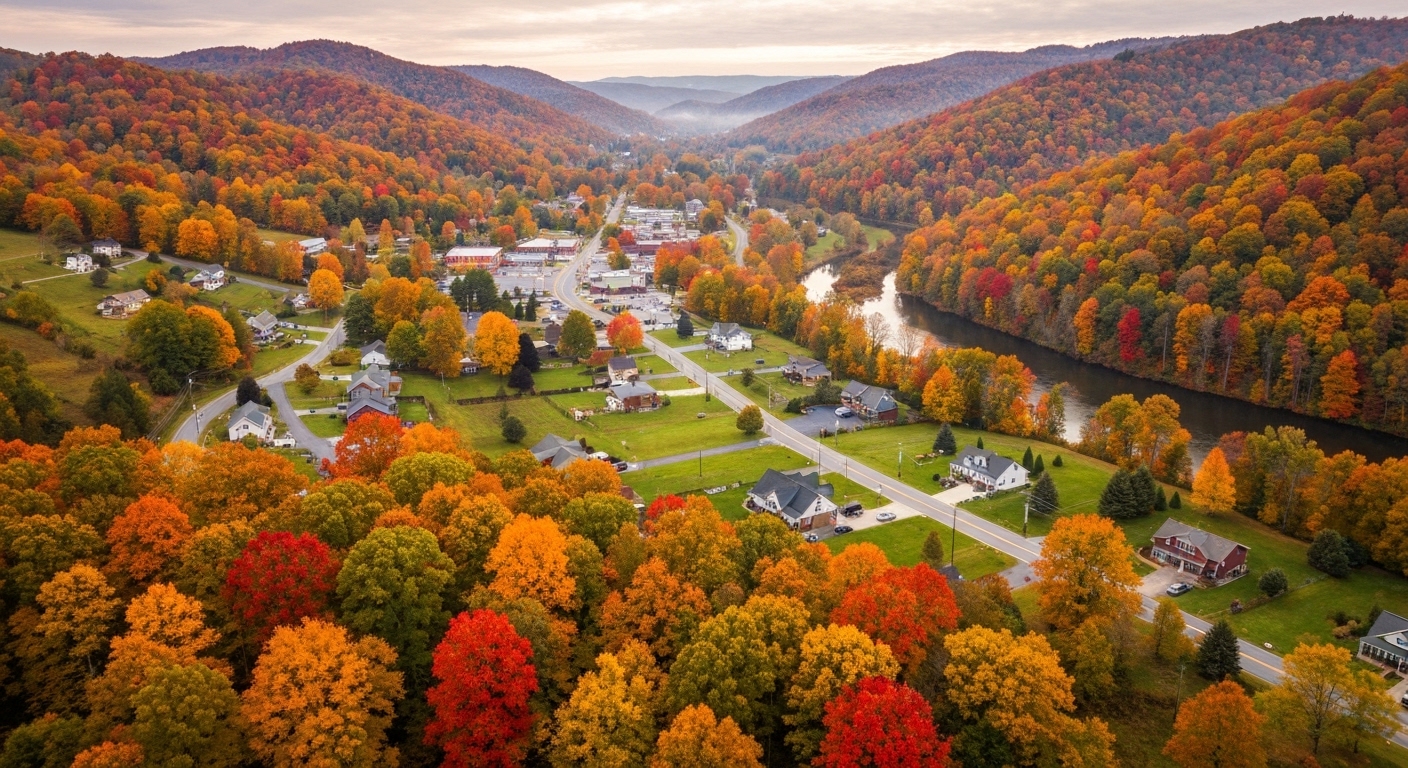
Maggie Valley sits in Haywood County, just off US-19 between Waynesville and Cherokee, about 35 miles and roughly 45 minutes west of Asheville. Like much of Western North Carolina, it took a hard hit from Tropical Storm Helene, and the cleanup did not come cheap.
Why does a federal disaster lead to a local tax increase?
Here is the part that surprises a lot of people. When a disaster like Helene rolls through, FEMA does not show up with a checkbook the next morning. Towns pay for the immediate work first. Debris hauling, damaged roads, failed culverts, public infrastructure repair. They cover it out of their own budgets and reserves, then file the paperwork and wait for the federal government to pay them back.
That wait can stretch for many months. Sometimes longer. For a small mountain town with a modest budget, fronting that kind of money leaves a real hole. The bills are due now. The reimbursement is somewhere down the road.
A two-cent rate increase is how Maggie Valley is bridging that gap. It keeps the town solvent and its reserves from running dry while the FEMA money works its way through the system.
What does the two-cent increase actually cost a homeowner?
Two cents sounds small, and for most homeowners it is manageable. The increase is two cents per $100 of assessed property value. On a home assessed at $300,000, that comes to about $60 more a year, or roughly $5 a month.
A higher-valued home or a second property will see a larger number, since the rate applies to assessed value across the board. Owners of vacation homes and investment properties in the valley will feel it a bit more than someone in a smaller year-round residence.
It is not a dramatic jump. But it is a real one, and for a town that leans heavily on tourism and seasonal residents, every budget decision tends to get noticed.
Is this happening in other Western NC towns too?
Maggie Valley is not alone. Helene's reach across Western North Carolina was enormous, and communities throughout Haywood, Buncombe, and the surrounding counties are all working through the same slow reimbursement process. Some have dipped into reserves or delayed projects, and others are adjusting rates.
The common thread is that recovery costs landed on local governments first, and the federal backfill has been slow to arrive. That timing mismatch is showing up in budgets across the region this year, and Maggie Valley's two cents is one visible example of it.
For residents, the practical takeaway is simple. This increase is tied to a specific recovery situation rather than to runaway local spending. Whether it sticks around depends on how quickly the FEMA money comes through and how the board chooses to handle its reserves in the budgets ahead.
What should current and prospective property owners watch for?
If you own property in Maggie Valley or you are thinking about buying here, the thing to keep an eye on is the annual budget cycle. The board sets the tax rate each year and holds public hearings before adopting the budget for the new fiscal year. That is where the board decides future changes, up or down.
A town willing to protect its reserves and stay financially stable through a major disaster is, in the long run, a town doing its job. Short-term that means a slightly higher bill. Longer term it means Maggie Valley stays on solid footing.
If stories like this one have you curious about what owning a place in the WNC mountains really involves, Jon Tharp is always glad to talk it through.
Frequently Asked Questions
How much did Maggie Valley raise property taxes this year?
The Maggie Valley town board approved a two-cent increase to the property tax rate for the upcoming fiscal year. That means two additional cents per $100 of assessed property value. On a home assessed at $300,000, the increase works out to roughly $60 more per year, or about $5 a month. The exact dollar impact depends on your property's assessed value, so a higher-valued home or second property will see a proportionally larger increase. The new rate takes effect with the new fiscal year budget the board adopted.
Why are FEMA delays causing a tax increase in Maggie Valley?
When a federally declared disaster hits, towns often pay for debris removal, road repair, and infrastructure work up front, then submit those costs to FEMA for reimbursement. Those reimbursements can take many months or longer to arrive. In the meantime, a small town still has to keep its budget balanced and its reserves intact. Maggie Valley, like many WNC communities recovering from Tropical Storm Helene, carried significant recovery expenses while waiting on federal money. Raising the tax rate helps cover that gap and protect the town's cash position until the FEMA funds come through.
Where is Maggie Valley, North Carolina?
Maggie Valley sits in Haywood County in the mountains of Western North Carolina, just off US-19 between Waynesville and the Cherokee area. It is about 35 miles west of Asheville, roughly a 45-minute drive depending on traffic and weather. The town is known for its mountain views, its proximity to the Blue Ridge Parkway and Cataloochee, and a long history as a tourism and second-home destination. Its small year-round population swells seasonally with visitors and part-time residents drawn to the cooler elevation and outdoor recreation.
Will Maggie Valley taxes go back down after FEMA reimburses the town?
Tax rates are set year to year as part of each annual budget, so nothing about this increase is automatically permanent. If FEMA reimbursements arrive and the town's finances stabilize, the board could choose to lower the rate in a future budget cycle. That said, there is no guarantee. Towns sometimes keep a rate in place to rebuild reserves drained during a disaster or to fund other needs. The only way to know is to watch future budget seasons, when the board sets the rate and holds public hearings before adopting it.
About the Author
Jon Tharp is a licensed NC real estate broker with Keller Williams. He's helped buyers and sellers across Western North Carolina for over 10 years, specializing in mountain homes, land, and short-term rental investments, with offices throughout WNC covering all mountainous areas. If something in this post has you thinking about a move, he's easy to reach — (828) 347-9055 or smokymountainhomes4sale.com or Jon@jontharphomes.com.
Ready to Find Your Mountain Home Near Maggie Valley?
Whether you're looking to buy, considering a short-term rental investment, or ready to sell, the Jon Tharp Team brings deep local knowledge and marketing that puts your home in front of 50,000+ buyers in the first 30 days.
Search available homes across Western NC or call Jon directly at (828) 347-9055.
Talk to JonWhat Our Clients Say
43 five-star Google reviews — read them all on Google
"Jon is hands down the most dedicated and knowledgeable realtor that I have ever worked with. His expertise made the entire process of selling my home and finding a new one a smooth process."
Amy Davis · 2025
"Jon & his team are the greatest! Very professional, friendly like your neighbor, and always get back to your texts, phone calls & emails within minutes or same day, not days or weeks."
Cynthia Oelschlager · 2025
"I can’t say enough good things about Jon and his team. I was looking for investment properties and Jon spent time researching where would be a good place for an Airbnb — he found 2 beautiful properties."
Diane Cogswell · 2025
More from the Blog