By Jon Tharp, Broker · July 27, 2026
At a Glance
The Grassy Ridge Mow-Off runs Saturday, August 15 through Sunday, August 16, 2026, in the Roan Highlands. Volunteers with the Southern Appalachian Highlands Conservancy hike 2.5 miles from Carvers Gap to cut back blackberry and woody growth choking the globally rare grassy balds. Day trips and overnight camping are both options. Pre-registration is required at Appalachian.org/events, and carpooling is encouraged. The event has run 32 years.
David Smith has been cutting blackberry on top of Grassy Ridge since 1997. That is 28 seasons of hiking two and a half miles above treeline with a weed-whacker, working a full day in the sun at nearly 6,200 feet, and then sleeping on a mountaintop so he can do a half day more before packing out.
He knows exactly how that sounds to people who have never done it.
"I'm sure certain folks are skeptical that cutting down blackberries once a year is enough to actually make a difference," Smith says. "I've been doing this long enough, I can promise you it does."
The Southern Appalachian Highlands Conservancy's annual Grassy Ridge Mow-Off returns Saturday, August 15, through Sunday, August 16. It is the 32nd year of an event that asks more of volunteers than most weekends in the Southern Appalachians ask, and that people keep coming back to anyway. Volunteers can come for one day or backpack up for the overnight campout. Either way, the job is the same: keep the balds open.
What Exactly Is a Bald, and Why Does It Need Us
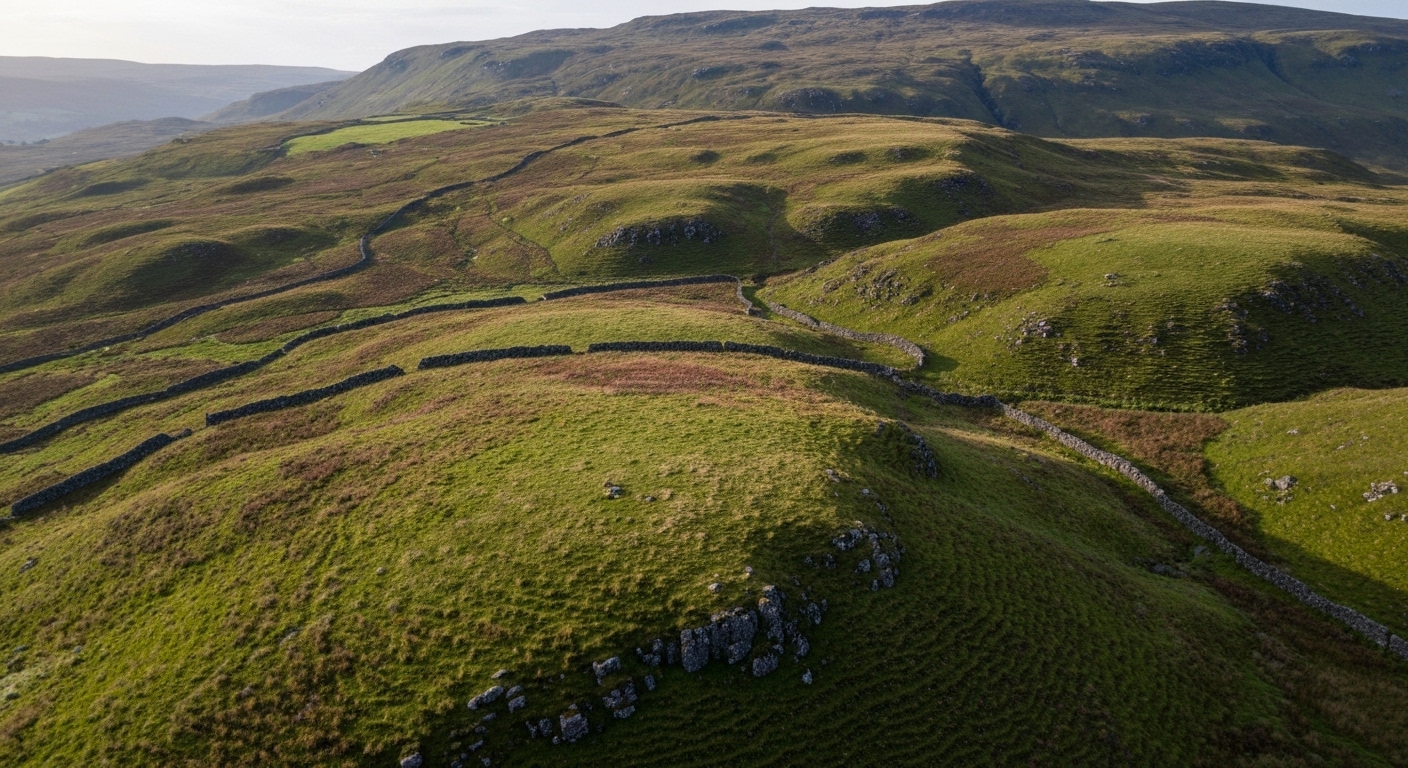
The grassy balds of the Roan Highlands look wrong in the best way. You climb through spruce and fir forest, and then the trees simply stop, and you walk out onto rolling open grassland running along the spine of the ridge with hundred-mile views in every direction. There is no timberline this far south that would explain it. The mountains are not tall enough.
Ecologists call these balds boreal relics, leftovers from a much colder climate that somehow persisted after the ice retreated. What kept them open for thousands of years was grazing. Large animals, woolly mammoths among them in the deep past, and much later domestic cattle and sheep, cropped the vegetation and trampled the seedlings and held the forest at bay.
That grazing is gone now. The mammoths have been gone a very long time, and the livestock came off the high pastures generations ago. What moves in when nothing eats the grass is blackberry, first in patches, then in thickets, then in a solid woody mat that shades out everything beneath it. Behind the blackberry comes the shrub layer, and behind that, eventually, the forest.
The plants at stake are not ordinary ones. The Roan balds support species found in few other places on the planet, adapted to full sun and thin soil and hard mountain weather. Once the shade closes in, they do not come back on their own.
"SAHC and our partners work to mimic natural flash grazing by removing blackberry from different sections of the balds each year," says Marquette Crockett, Roan stewardship director for SAHC. "Volunteers use weed-whackers and hand tools to clear shrubs, maintaining both the rare ecosystems and views from the open mountaintop balds that so many people love."
That is the whole strategy in one sentence. No mammoths available, so a few dozen people with string trimmers take the shift instead, rotating across the balds year after year so no section gets hit too hard or neglected too long.
The Hike In Is Part of the Deal
Nobody drives to this worksite. The clearing happens roughly 2.5 miles from the Appalachian Trail access at Carvers Gap, and getting there means a strenuous hike across several balds with everything you need on your back.
For day volunteers that means tools, water, food, rain gear, and layers. For overnight volunteers it means all of that plus a tent, a sleeping bag, a pad, and dinner. There is no water on the ridge. There is no shelter. The weather at 6,000 feet in August can hand you a warm blue morning and a cold horizontal rain by two in the afternoon, sometimes on the same day, and the exposure is total once you leave the trees.
The route itself is one of the most photographed stretches of the entire Appalachian Trail. From Carvers Gap the path climbs over Round Bald, then Jane Bald, then out along the open shoulder toward Grassy Ridge, and the whole way you are walking through grass and flame azalea with North Carolina falling away on one side and Tennessee on the other. Hikers plan whole summers around this section. Mow-Off volunteers walk it carrying a weed-whacker.
Saturday's work runs from 10 a.m. to 4 p.m. Campers stay on the ridge that night and resume Sunday morning for a shorter session, 7 a.m. to 1 p.m., taking advantage of the cool early hours before the sun gets serious. Then everyone packs out.
Be honest about what this is. It is manual labor at elevation, in the sun, with blackberry canes that fight back. Long pants and real gloves are not optional. People come home scratched. They also come back the next year.
Thirty-Two Years of the Same People Coming Back
The surprising thing about the Mow-Off is not the work. It is the retention.
"People return year after year to stay involved with the Mow-Off because of their connections with both people and the place," Crockett says. "After the work day ends, volunteers gather around the group camp site to experience the natural beauty of the open Appalachian grassy balds, swap stories, learn about each other's lives and enjoy breathtaking views and starry skies from atop Grassy Ridge, weather permitting. They gain a sense of camaraderie from sharing both the hard work and the satisfaction of a job well done on top of a truly incredible mountain."
Thirty-two years means there are volunteers on that ridge who first came as college students and now bring their own kids. It means friendships that exist entirely on one mountaintop, one weekend a year, renewed every August. Smith started in 1997, and he is not the only one measuring his participation in decades.
Ask him why he keeps going and the ecology is only half the answer.
"It's just a great group of people that get together on an annual basis, do a lot of hard work, have a great time fellowshipping with each other and eat delicious food while camping in one of the prettiest places on the planet," Smith says.
That last part gets undersold. Dinner on Grassy Ridge after a six-hour work day, with the light going orange across the Blacks and the Unakas and everything in between, is not a small thing. Neither is the sky. There is very little light pollution up there, and on a clear August night the Milky Way comes out hard enough to stop conversation.
This is the piece that keeps a volunteer stewardship event alive for three decades. Plenty of organizations can recruit people for a one-time trail day. Very few build something people schedule their August around.
What Smith Has Watched Happen Since 1997
Long-term volunteers are the best evidence a stewardship program has, because they are the only ones who can see the timescale the work actually operates on.
A single Mow-Off weekend looks modest. A few dozen people, one section of bald, six hours of cutting on Saturday and six more on Sunday morning. Come back a month later and the blackberry stubs are already pushing new growth. It would be easy to conclude you accomplished nothing.
Smith has the vantage point that resolves it. Since 1997, he has watched habitat improve for native plants and wildlife, watched sections that were closing in reopen, and watched the balds stay balds while, elsewhere in the Southern Appalachians, unmanaged balds have quietly disappeared into forest. That last part is the control group nobody wants. Balds across the region have shrunk dramatically over the last century in places where no one showed up with tools.
The rotational approach matters here. By clearing different sections each year, SAHC and its partners avoid hammering any single area while still keeping pressure on the whole system. It is a deliberate imitation of how grazing animals actually moved across a landscape, hitting one patch hard, moving on, coming back later. Nature was never tidy about it, and the Mow-Off is not either.
There is also a straightforwardly human argument for the work, and Crockett names it directly. People love these views. The open summit of Grassy Ridge is one of the best reasons to hike in Western North Carolina, and it exists in its current form because volunteers maintain it. Every hiker who has stood up there and taken the photo owes something to a weekend in August.
How the Roan Fits Into the Larger WNC Outdoor Year
Summer in the mountains gets busy, and it is easy for a working weekend to lose out to an easier one. Franklin has the Appalachian Trail crowd passing through, Sylva and Cullowhee have the river and the college calendar, Brevard has the waterfalls and a full slate of festivals, Highlands has its own gravity. There is always somewhere pleasant to be.
What sets the Roan apart is scale. The Roan Highlands hold one of the largest concentrations of grassy balds anywhere, and the Appalachian Trail runs straight through the middle of it. Add the Catawba rhododendron bloom in June, which draws people from several states, and you have a landscape that carries a real share of the region's outdoor identity.
That identity does not maintain itself. This is the part visitors rarely see. The trails, the overlooks, the open summits, the wildflower displays people plan trips around, all of it sits on top of conservation easements, land purchases, partner agreements, and an enormous amount of volunteer labor. SAHC has been doing this work in the Roan for decades, and the Mow-Off is the most visible and most physical part of it.
For anyone in Buncombe County, the drive is manageable, roughly two hours northeast to Carvers Gap depending on your starting point and how the Asheville traffic behaves. Carpooling is encouraged, and not only for the environmental reasons. Parking at Carvers Gap is limited and it fills fast on a summer Saturday.
Coming from farther west, from Franklin, Murphy, Andrews, or Waynesville, it is a longer haul, which makes the overnight option more appealing. If you are driving that far, the campout turns a long errand into an actual weekend.
How to Sign Up, and What to Expect
SAHC requires pre-registration, and there is a practical reason for it beyond the usual. The worksite is remote, the group camps together, and organizers need accurate numbers for tools, food, and safety planning. Registration and full details are at Appalachian.org/events.
You do not need experience. You need to be honest with yourself about the hike. Two and a half miles is not far on flat ground, but this is 2.5 miles across balds at elevation with a pack, and the return trip happens after a full day of physical work. People in reasonable hiking shape do it comfortably. People who have not hiked since spring feel it.
Bring sturdy boots, work gloves, long pants, eye protection, sun protection, layers for cold and wet, and more water than you think you need. SAHC handles the cutting equipment. Overnight volunteers add standard backpacking camp gear and should plan for temperatures well below what Asheville is doing that same night.
Carpool if you can. Coordinate with other volunteers if the drive is long. And if you are on the fence about the overnight, ask anyone who has done it. The answer is consistent enough to be a running joke among returning volunteers.
Thirty-two years in, the Mow-Off has outlasted a lot of things. It works because the ecology demands it and because the people who show up have decided this particular mountaintop is worth a hard weekend every August. That is a fairly good description of how conservation actually happens in Western North Carolina: not in one big gesture, but in the same folks coming back.
There is something telling about a place where people volunteer to hike uphill with a weed-whacker, and if that kind of community is what has you looking at the mountains, I am always happy to talk about what living here actually looks like.
Frequently Asked Questions
Where is the Grassy Ridge Mow-Off and how hard is the hike?
The worksite sits about 2.5 miles from the Appalachian Trail access at Carvers Gap, on the North Carolina and Tennessee state line in the Roan Highlands. The hike crosses several balds and is rated strenuous, with real elevation change and long stretches fully exposed to sun and wind. You carry your own tools, water, food, and layers, and overnight volunteers carry camping gear on top of that. There is no water source at the worksite and no shelter from weather. Most people who finish it say the views make up for the climb, but go in knowing it is a genuine backpacking effort, not a roadside cleanup.
Do I need experience or my own equipment to volunteer?
No prior trail work or land management experience is required. The Southern Appalachian Highlands Conservancy provides orientation on site, and returning volunteers, some with decades of Mow-Offs behind them, work alongside newcomers. SAHC supplies the weed-whackers and cutting tools for the work itself. What you bring is personal gear: sturdy boots, work gloves, long pants, eye protection, sun protection, and enough water and food for a long day above treeline. Overnight participants add a tent, sleeping bag, and pad. Pre-registration is required so organizers know how many people to plan tools and logistics for.
What are grassy balds and why do they need mowing?
Grassy balds are open, treeless mountaintops found across the Southern Appalachians, and the ones in the Roan Highlands are considered globally rare. They are boreal relics, remnants of a colder climate, historically kept open by large grazing animals including woolly mammoths and later by domestic livestock. Without that grazing pressure, blackberry thickets and woody shrubs move in and shade out the rare native plants that depend on full sun. SAHC and its partners mimic natural flash grazing by clearing a different section of bald each year. Cutting keeps the ecosystem intact and preserves the open views that draw hikers to Roan Mountain.
Can I do the Grassy Ridge Mow-Off as a day trip instead of camping?
Yes. Volunteers can sign up for a single day or stay for the full weekend. Saturday's work session runs from 10 a.m. to 4 p.m., which allows time to hike in that morning and hike out that evening. Volunteers who camp on the ridge overnight return for a shorter Sunday session from 7 a.m. to 1 p.m., then pack out. The overnight option is the one longtime volunteers talk about most, since the group campsite is where the stories and the star-gazing happen, but the day-trip option is a real one and plenty of people choose it.
How do I register for the Grassy Ridge Mow-Off?
Pre-registration is required and is handled through the Southern Appalachian Highlands Conservancy at Appalachian.org/events. Spots are limited because the worksite is remote and the group camps together on the ridge, so registering early is the safer move, especially for the overnight option. Carpooling is strongly encouraged, since parking at Carvers Gap is limited and fills fast on summer weekends. SAHC sends participants gear lists, meeting times, and worksite details ahead of the event. If you have questions about difficulty or what to pack, contacting SAHC directly before you register is the smart first step.
About the Author
Jon Tharp is a licensed NC real estate broker with Keller Williams. He's helped buyers and sellers across Western North Carolina for over 10 years, specializing in mountain homes, land, and short-term rental investments, with offices throughout WNC covering all mountainous areas. If something in this post has you thinking about a move, he's easy to reach — (828) 347-9055 or smokymountainhomes4sale.com or Jon@jontharphomes.com.
Ready to Make Western NC Your Home Base?
Whether you're looking to buy, considering a short-term rental investment, or ready to sell, the Jon Tharp Team brings deep local knowledge and marketing that puts your home in front of 50,000+ buyers in the first 30 days.
Search available homes across Western NC or call Jon directly at (828) 347-9055.
Talk to JonWhat Our Clients Say
43 five-star Google reviews — read them all on Google
"Jon is hands down the most dedicated and knowledgeable realtor that I have ever worked with. His expertise made the entire process of selling my home and finding a new one a smooth process."
Amy Davis · 2025
"Jon & his team are the greatest! Very professional, friendly like your neighbor, and always get back to your texts, phone calls & emails within minutes or same day, not days or weeks."
Cynthia Oelschlager · 2025
"I can’t say enough good things about Jon and his team. I was looking for investment properties and Jon spent time researching where would be a good place for an Airbnb — he found 2 beautiful properties."
Diane Cogswell · 2025
More from the Blog