 AI-generated image
By Jon Tharp, Broker · June 1, 2026
At a Glance
Buncombe County's 2026 summer arts calendar stretches from Weaverville's Music on Main on June 13 to Art in Bloom and Art by the Tracks in Black Mountain, free Tuesday concerts in Swannanoa, and ongoing programming at Pack Square and the River Arts District. Most events cost nothing to attend. The season carries added meaning as the community continues rebuilding nearly two years after Hurricane Helene's September 2024 flood damage reshaped the landscape of the River Arts District.
Most summers, the Buncombe County arts calendar is impressive. This one feels earned.
Hurricane Helene hit Buncombe County hard in September 2024. The French Broad River flooded portions of the River Arts District, gutted studios, and left organizations rerouting around damage for months. The rebuilding that followed was slow and, for the most part, quiet. There were no dramatic announcements, just the steady work of studios being dried out, assessed, and reopened. The 2026 summer arts season is the first one with real distance from that, and what the county's arts community has assembled under the ArtAVL banner is programming that signals something more than recovery. It signals a return to full confidence.
The organizing theme is "All Arts. All Ways." and the name earns itself. Traditional Appalachian music on a park stage in Weaverville. A juried craft fair with 50 artists under open sky in Black Mountain. Floral installations paired with original paintings inside a gallery. Free Tuesday concerts in Swannanoa. Open studios along the French Broad. Flatfoot dancing at Pack Square. The range is considerable, and most of it costs nothing to attend.
This is a county that has spent nearly a century building a creative identity. This summer, it is working at full capacity again.
Weaverville Leads with Music and a Fourth of July Worth the Drive
Weaverville does not always appear on the shortlist when people talk about Buncombe County's arts events. Asheville takes most of the attention, with Black Mountain a close second. But this summer, downtown Weaverville opens the season with one of the most polished single-night events in the county.
Music on Main returns on Saturday, June 13, now in its eighth year. The event fills Main Street from 4:00 to 9:00 p.m. with five hours of live music alongside food trucks and craft beer. It is free to attend, runs rain or shine, and lawn chairs are the right call. The 2026 lineup moves through Cajun fiddle with the Jackomo Cajun Country Band, then into blues-rooted soul with MAMA, fronted by Melissa McKinney, who won the MerleFest Band Competition in 2025. Holy Roller closes the night with southern rock. It is a varied bill that holds its interest across a long evening, which is harder to pull off than it sounds.
Then on July 4, Weaverville does it again. The town's Independence Day celebration on Main Street is a community fixture: live music, family programming, and the kind of gathering that is harder to find than people realize in a county that has grown as fast as this one. Specific performers and timing for the July 4 event typically appear on the Town of Weaverville's events page closer to the date. Worth checking in June.
For people who tend to default to downtown Asheville for summer programming, Weaverville is 15 minutes north and worth the difference this year.
Black Mountain and Swannanoa: Three Events That Make the East Side Worth Your Time
Black Mountain carries a creative legacy that runs deeper than most towns its size. When Black Mountain College closed in 1956, it left behind a reputation far larger than its enrollment. Alumni included Robert Rauschenberg, Merce Cunningham, Buckminster Fuller, and Josef and Anni Albers, and the experimental, interdisciplinary character of the school left an imprint on the town that is still visible in the kind of programming that happens here. The Black Mountain College Museum and Arts Center in downtown Asheville keeps that history active, and the surrounding community has absorbed the spirit of the place across generations.
This summer, the east side of Buncombe County delivers three distinct events worth planning around.
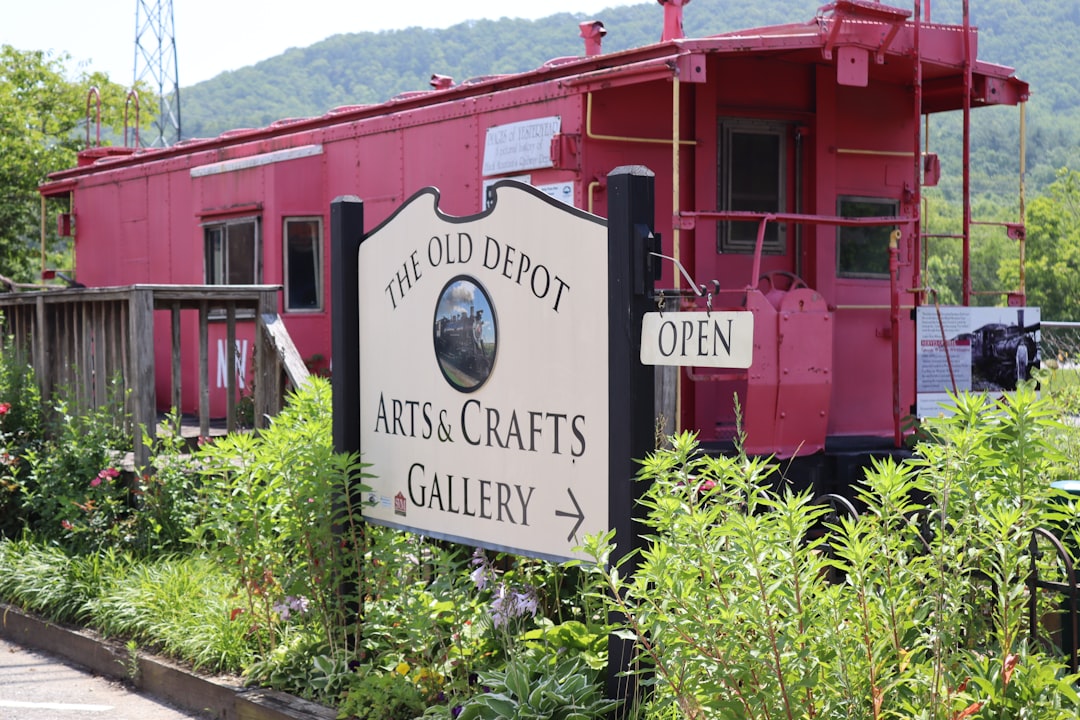
Art by the Tracks takes place on Saturday, June 6, from 10:00 a.m. to 5:00 p.m. along Sutton Avenue at the Old Depot in Black Mountain. The event has been running for nearly 30 years and features more than 50 local and regional artists in a juried setting. Proceeds benefit arts programming in Swannanoa Valley schools. There is live music through the day, and admission is free. This is a good anchor for a Black Mountain morning, especially if you build the rest of the day around time in the shops and galleries along the town's main corridor.
Art in Bloom at the Black Mountain Center for the Arts is a different kind of experience entirely. Now in its 20th anniversary year, the event pairs locally created artwork with original floral arrangements throughout the gallery, creating something that reads as both visual art exhibition and sensory installation. The programming opens with First Bloom, a preview evening on June 18, followed by the main gallery exhibition running through June and July. A self-guided garden tour with plein air artists painting on location is also part of the program. This one is ticketed, and it is worth purchasing ahead for the First Bloom preview if you want that early look.
Groovin' on Grovemont brings free concerts to Grovemont Square in Swannanoa on Tuesday evenings: July 14, July 28, and August 11, each starting at 6:00 p.m. The series benefits the Friends of the Swannanoa Library and the Swannanoa Community Council. A different musical act performs each night, with chef-prepared food available for purchase on site. This is the kind of low-key, neighborhood-scale event that does not get much coverage but repays the drive out to Swannanoa.
The River Arts District: Open, Working, Moving Forward
The River Arts District developed over decades, beginning in the 1980s when artists started moving into the old industrial buildings along the French Broad River on Asheville's west side. By the time Helene arrived in September 2024, the RAD was home to more than 200 working studios and had earned a national reputation as one of the most significant working-artist districts in the Southeast.
The flood hit these blocks directly. The French Broad rose into studio spaces, damaging work and equipment and forcing artists to make difficult decisions about what came next. Some left. Most stayed and started the slow process of repair.
As of summer 2026, the RAD is open. The texture of the neighborhood is still settling in places, but the district functions as a working arts community. Studios along the Haywood Road corridor and surrounding buildings range from painting and pottery to glass, woodworking, and textile work. The range of medium is wide enough that no two visits cover the same ground. The River Arts District Artists (RADA) collective maintains current information on which studios are open and when, and their website is the most reliable resource for planning a visit.
The twice-yearly RAD Studio Stroll draws the biggest crowds, but regular open studio hours give you access without the peak traffic. Walking the RAD on a weekday morning, when artists are mid-project and foot traffic is light, tends to be the better experience. You see the actual work rather than the event version of it. For summer 2026, visiting the RAD is both a cultural experience and an act of participation in the district's continuing story.
Shindig on the Green: Decades of Free Music at Pack Square
Pack Square Park in downtown Asheville hosts one of the county's most enduring summer events on Saturday evenings from late June through late August. Shindig on the Green is organized by the Folk Heritage Committee and has been running for decades. The format never changes: traditional Appalachian music and flatfoot dancing, in a public square, free to anyone who shows up.
No tickets. No reservations. Bring a chair or a blanket, show up around sundown, and stay as long as you want.
The music is not staged nostalgia. It is traditional music played by people who know it and have been playing it for years. The audience is mixed: longtime locals, recent transplants, visitors from out of state, and children learning what flatfoot dancing looks like for the first time. It is a public event in the fullest sense of the term, and that has become harder to find in a city that has grown as fast as Asheville has.
Shindig on the Green has absorbed significant change in the city around it without losing what it is. During the peak of Bele Chere, Asheville's massive free street festival that ran from 1979 to 2013 and drew more than 300,000 visitors annually at its height, Shindig was one event among many. When Bele Chere ended, Shindig kept going. That kind of continuity, spanning the downtown boom, the tourism industry's expansion, the flood, and the recovery, tells you something real about the people who live here.
Specific 2026 dates should be confirmed with the Folk Heritage Committee as June approaches. The general run is late June through August, Saturday evenings.
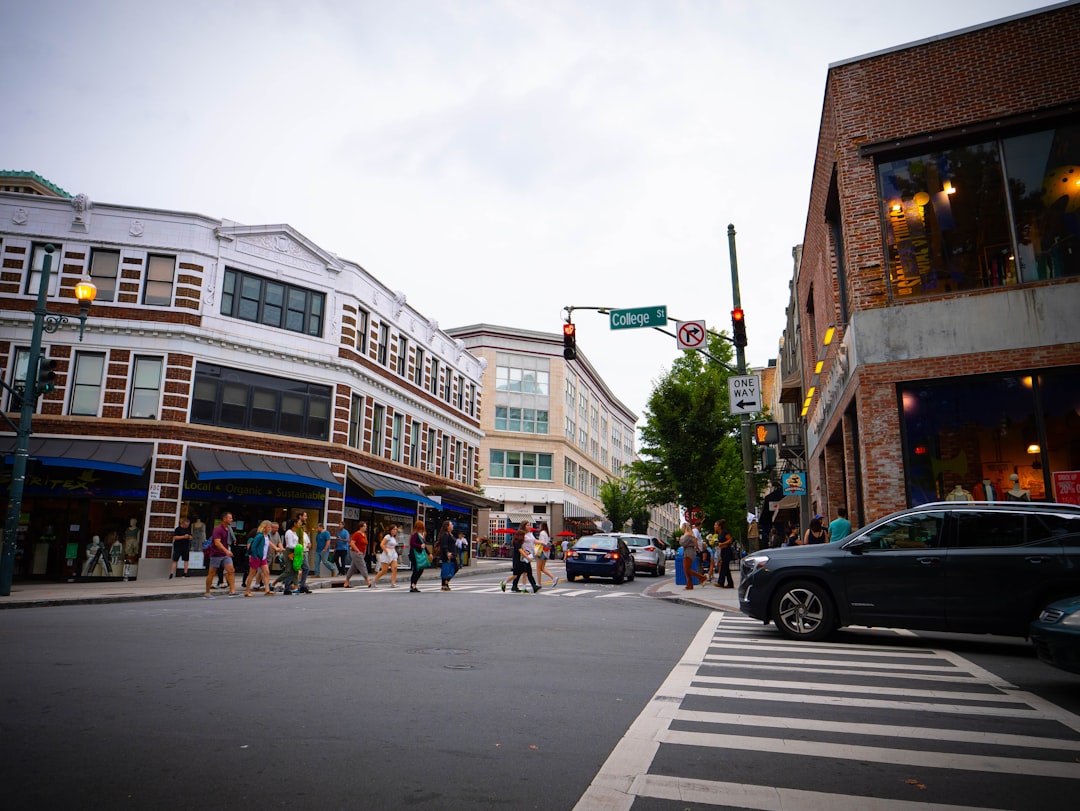
Photo by Jehu Israel on Unsplash
A Century of Building Something Real
The scale of this summer's programming is possible because of infrastructure that took a long time to build.
The Southern Highland Craft Guild was founded in 1930 and helped establish Western North Carolina as a nationally recognized craft region at a time when institutional support of that kind was hard to come by for mountain artisans. Today the Guild has more than 900 member craftspeople across nine states. The Folk Art Center on the Blue Ridge Parkway at Milepost 382, which opened in 1980, provides a permanent home for craft exhibition, demonstration, and retail east of Asheville.
The LEAF Festival, which has taken place at Camp Rockmont in Black Mountain biannually since 1994, draws performers and attendees from across the country for a multiday program of world music, dance, and arts programming. It represents the county's reach well beyond traditional Appalachian forms, which has been part of Buncombe County's creative identity alongside, not instead of, its mountain roots.
ArtAVL, which has been operating under various names since 1970, provides the grant-making, advocacy, and coordination infrastructure that makes events like Music on Main and Art in Bloom possible. The county's arts ecosystem is notably decentralized, which is one of its real strengths. No single organization controls everything, which means no single disruption, including a hundred-year flood, can knock everything down at once.
Asheville's designation as a UNESCO Creative City of Gastronomy in 2017 reinforced what was already true: arts and food culture here are not separate categories. They belong to the same community. The people who run restaurants in the RAD, the people who manage galleries on Lexington Avenue, and the people who perform at Shindig on the Green largely know each other. That is what a real arts ecosystem looks like, and it is what Buncombe County has built.
How to Make the Most of This Calendar
The volume of programming across Buncombe County can make summer feel like something to manage rather than enjoy. A few practical notes help.
Most of the events covered here are free. Music on Main, Art by the Tracks, Groovin' on Grovemont, and Shindig on the Green all cost nothing to attend. The RAD studios are free to walk during regular open hours. Art in Bloom is ticketed, and LEAF Festival events require a pass. Knowing which events require advance planning keeps the calendar from feeling like a list of obligations.
Check ArtAVL's events calendar through the summer. The organization maintains a running list of programming across the county, and events are added as the season moves forward. Smaller gallery openings, outdoor performances, and pop-up markets often appear there before they surface anywhere else.
The county's geography works in your favor. Weaverville is 15 minutes north of downtown Asheville. Black Mountain is 15 minutes east. Swannanoa sits on the road between them. A weekend built around two or three events requires very little driving, and the roads between these towns are not exactly a hardship.
For people still deciding where they want to put down roots in Western North Carolina, spending a summer weekend moving through this county's arts programming is one of the more honest ways to understand what the region actually is. The music, the craft, the conversations that happen at an open studio or a park concert: those details add up into a picture that no neighborhood overview can replicate. The people who move to Buncombe County and stay tend to say it is the community that kept them. This summer's calendar is part of how that community introduces itself.
Frequently Asked Questions
What is Music on Main in Weaverville, NC?
Music on Main is a free annual outdoor concert event held on Main Street in downtown Weaverville, North Carolina. Now in its eighth year, the 2026 event takes place on Saturday, June 13, from 4:00 to 9:00 p.m. and fills the street with five hours of live music alongside food trucks and craft beer vendors. The 2026 lineup includes the Jackomo Cajun Country Band, MAMA fronted by 2025 MerleFest Band Competition winner Melissa McKinney, and Holy Roller closing the night with southern rock. The event is free to attend and runs rain or shine. Lawn chairs are encouraged.
When does Shindig on the Green happen in Asheville in 2026?
Shindig on the Green is a long-running free outdoor event at Pack Square Park in downtown Asheville featuring traditional Appalachian music and flatfoot dancing on Saturday evenings. The event typically runs from late June through late August each year. Specific 2026 dates are announced closer to the start of the season by the Folk Heritage Committee, which has produced the event for decades in partnership with the Southern Appalachian Highlands Conservancy. Admission is always free with no tickets required. Attendees are encouraged to bring blankets or lawn chairs and arrive around sundown.
Is the River Arts District in Asheville open after Hurricane Helene?
Yes, the River Arts District is open. Hurricane Helene caused significant flood damage to portions of the RAD in September 2024, and many studios required months of repair before reopening. As of summer 2026, the district is operating as a working arts community, with studios open to visitors across the Haywood Road corridor and surrounding buildings. The pace of rebuilding has varied by studio and location. The River Arts District Artists (RADA) collective maintains current information on studio hours and open events on their website, which is the most reliable resource for planning a visit.
What is Art in Bloom at the Black Mountain Center for the Arts?
Art in Bloom is an annual ticketed exhibition at the Black Mountain Center for the Arts that pairs locally created artwork with original floral arrangements throughout the gallery, creating an experience that sits at the intersection of visual art and floral design. The 2026 edition marks the event's 20th anniversary. Programming opens with First Bloom, a preview evening on June 18, followed by the main gallery exhibition and a self-guided local garden tour with plein air artists painting on location. Tickets are available through the Black Mountain Center for the Arts website. The exhibition runs through June and July with times that vary by event.
What is the Southern Highland Craft Guild and why does it matter to Western North Carolina?
The Southern Highland Craft Guild was founded in 1930 and is one of the oldest craft organizations in the United States. It played a central role in establishing Western North Carolina as a nationally recognized center for traditional and contemporary craft, providing an institutional framework for mountain artisans when that kind of professional support was rare. Today the Guild has more than 900 member craftspeople across nine states. Its permanent home, the Folk Art Center on the Blue Ridge Parkway at Milepost 382 east of Asheville, opened in 1980 and hosts rotating exhibitions, live demonstrations, and one of the most respected craft retail galleries in the Southeast.
About the Author
Jon Tharp is a licensed NC real estate broker with Keller Williams. He's helped buyers and sellers across Western North Carolina for over 10 years, specializing in mountain homes, land, and short-term rental investments, with offices throughout WNC covering all mountainous areas. If something in this post has you thinking about a move, he's easy to reach — (828) 347-9055 or smokymountainhomes4sale.com or Jon@jontharphomes.com.
Ready to Make Western NC Your Home Base?
Whether you're looking to buy, considering a short-term rental investment, or ready to sell, the Jon Tharp Team brings deep local knowledge and marketing that puts your home in front of 50,000+ buyers in the first 30 days.
Search available homes across Western NC or call Jon directly at (828) 347-9055.
Talk to JonWhat Our Clients Say
43 five-star Google reviews — read them all on Google
"Jon is hands down the most dedicated and knowledgeable realtor that I have ever worked with. His expertise made the entire process of selling my home and finding a new one a smooth process."
Amy Davis · 2025
"Jon & his team are the greatest! Very professional, friendly like your neighbor, and always get back to your texts, phone calls & emails within minutes or same day, not days or weeks."
Cynthia Oelschlager · 2025
"I can’t say enough good things about Jon and his team. I was looking for investment properties and Jon spent time researching where would be a good place for an Airbnb — he found 2 beautiful properties."
Diane Cogswell · 2025
More from the Blog