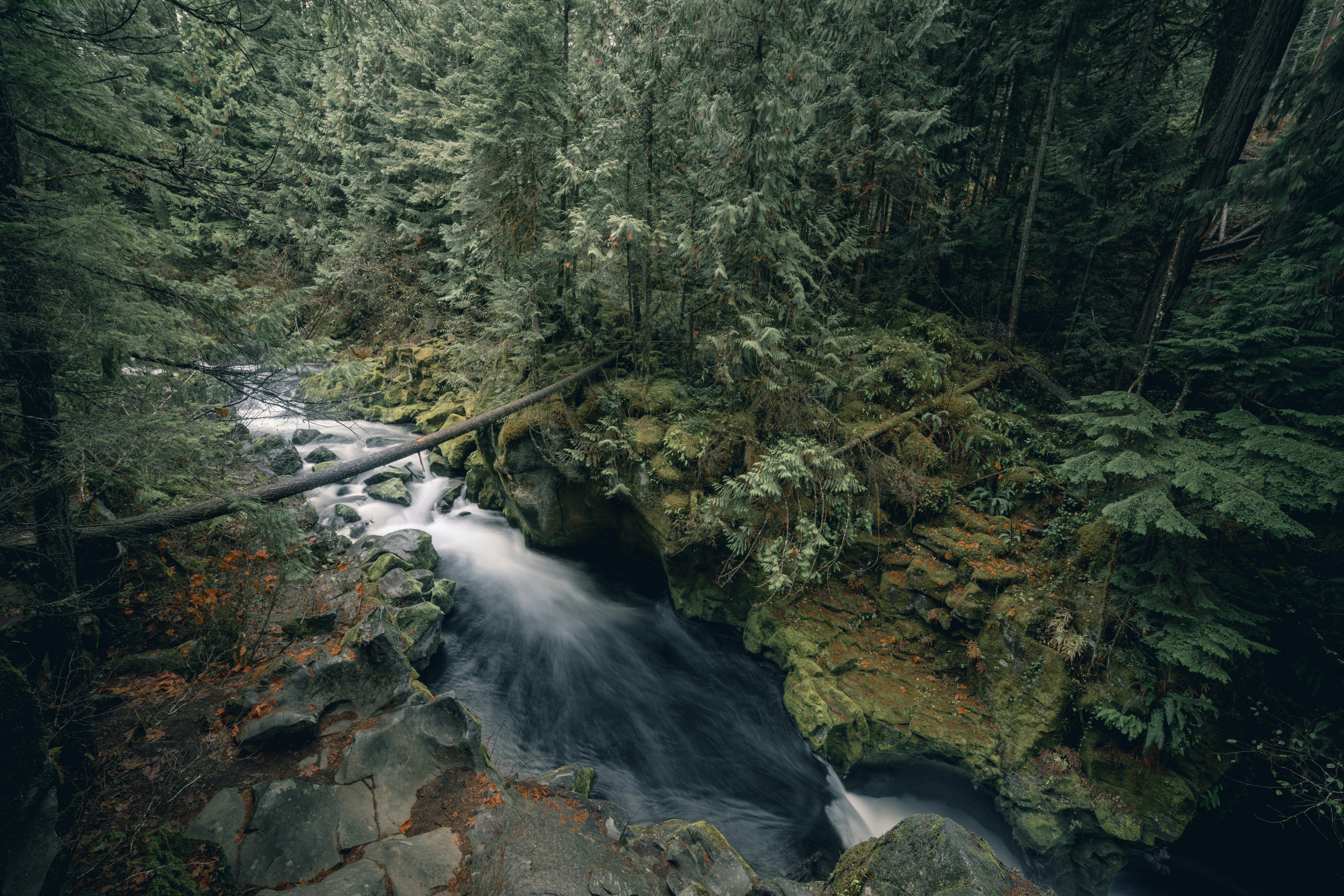
Photo by Wes Hicks (@sickhews) on Unsplash
By Jon Tharp, Broker · May 24, 2026
At a Glance
The Highlands Saturday Market is a seasonal outdoor farmers market in Highlands, NC, a Macon County mountain town sitting at over 4,100 feet elevation. Running from late spring through early fall, it draws locals and visitors with fresh produce, baked goods, honey, plants, and handmade crafts. Set against the Nantahala National Forest and the Blue Ridge, it is one of the most scenically situated and community-rooted markets in Western North Carolina.
A Saturday Morning at 4,100 Feet
At just over 4,100 feet above sea level, a Saturday morning in Highlands, NC feels different from anywhere else in the mountains. The air runs cool even in July. Mist lingers on the ridgelines above town while vendors are still setting up their canopy tents, and by the time the first shoppers arrive, there is already the smell of bread and cut flowers drifting down the block.
This is what Saturday looks like in Highlands during market season. For a town of roughly 1,000 permanent residents, the energy on a market morning can surprise first-time visitors. People arrive early. Regulars know exactly which vendor sells out first. The vendors themselves have been up before sunrise, loading coolers and crates for the drive into the downtown core.
The Highlands Saturday Market is one of those community institutions that fits a place the way a well-worn trail fits the mountain it runs across. It belongs here. It reflects the character of the town: small in scale, high in quality, and surrounded by scenery that makes even a routine errand feel like a small occasion.
If you have not made the drive up to Highlands on a market Saturday, you are missing one of the better mornings the Southern Appalachians offer. The combination of place and purpose is the kind of thing that resists easy description but makes complete sense once you are standing in it.
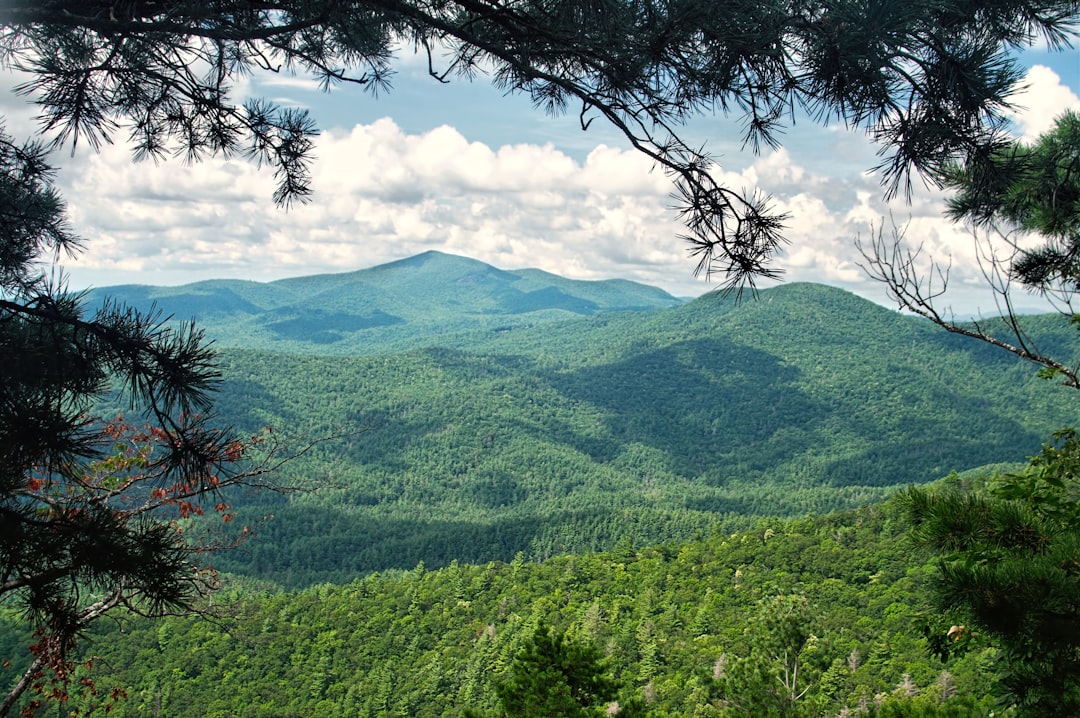
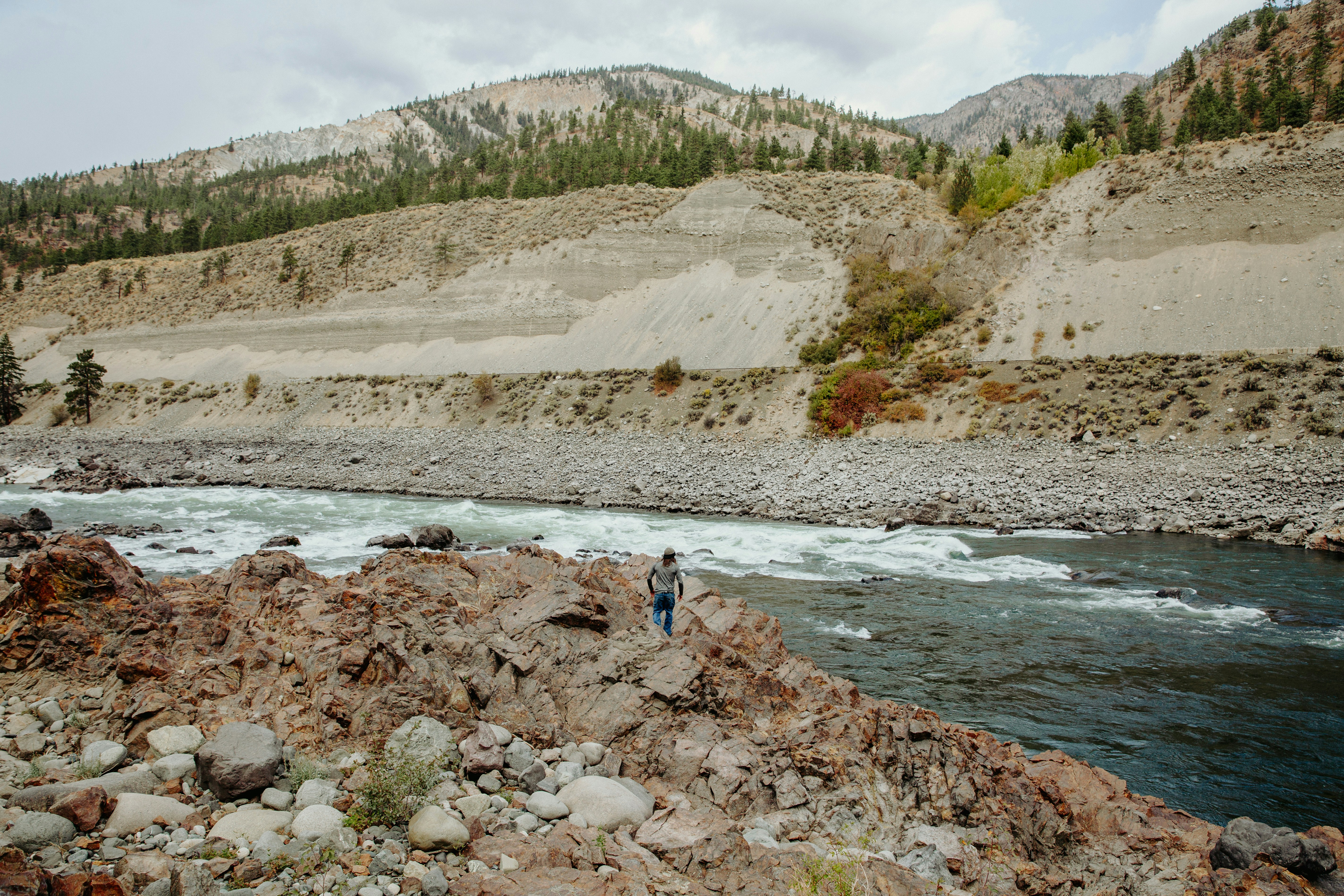
Photo by James Morden on Unsplash
The Town Behind the Market
Highlands was founded in 1875 by two land speculators, Samuel Kelsey and Columbus Hutchinson, who drew lines on a map and placed their bet on the mountain air. Their instinct proved right almost immediately. The town became a summer retreat within a generation, drawing families from the Carolina lowlands and the Georgia Piedmont who wanted relief from the heat and humidity of the flatlands below.
That pattern has held for 150 years. Highlands still draws people looking for exactly what Kelsey and Hutchinson were selling: cooler temperatures, clean air, and a certain remove from wherever they came from. The permanent population is small, but the town fills considerably in summer. Boutiques, fine restaurants, art galleries, and bed-and-breakfasts line the main corridor along NC Highway 64. The walkable downtown is unlike what you find in most mountain towns of this size.
The market fits into that tradition naturally. It is not just a place for residents to buy local food, though it is certainly that. It is also a place where the seasonal visitor culture and the working-farm culture of the surrounding mountains meet. A vacationer from Atlanta browsing for heirloom tomatoes might find herself in a real conversation with the family that grew them on a patch of Macon County mountain land that has been in the family for a long time.
That intersection, casual and unhurried, is part of what makes a Saturday market in Highlands different from a market in a larger city. There is less performance to it. The scale is right. You can actually talk to the people who made the things you are buying, and they have time to talk back.
What You Will Find at the Market
The Highlands Saturday Market runs the mix of goods that defines the best farmers markets in WNC: fresh seasonal produce, baked goods, locally harvested honey, native and ornamental plants, jams and preserves, handmade soaps, and artisan crafts. At elevation, the growing calendar runs slightly later than in the valleys below, which means tomato season, berry season, and summer squash all shift a few weeks from what you would expect at lower-altitude markets.
That altitude effect shapes the selection in interesting ways. Vendors growing at 3,000 to 4,000 feet work with a shorter season and a narrower window for heat-tolerant crops. What they do grow, they tend to grow well. Cool-season greens thrive here longer than they do in the valleys. Root vegetables develop more slowly and often taste better for it. The herbs are particularly good in the mountain climate.
The artisan side of the market adds considerable depth. WNC has a strong tradition of craft, running from the Cherokee artistic traditions of the far western end of the region through the pottery, woodworking, and fiber arts communities that have made places like Brasstown, Sylva, and Asheville centers of handmade goods. Highlands sits comfortably in that lineage, and the market reflects it.
Baked goods deserve their own mention. Mountain markets across WNC tend to attract serious bakers, and Highlands is no exception. The bread and pastry tables turn over fast. If you arrive after 10 a.m. and the best loaves are already gone, that is the market working exactly as intended. Arrive early.
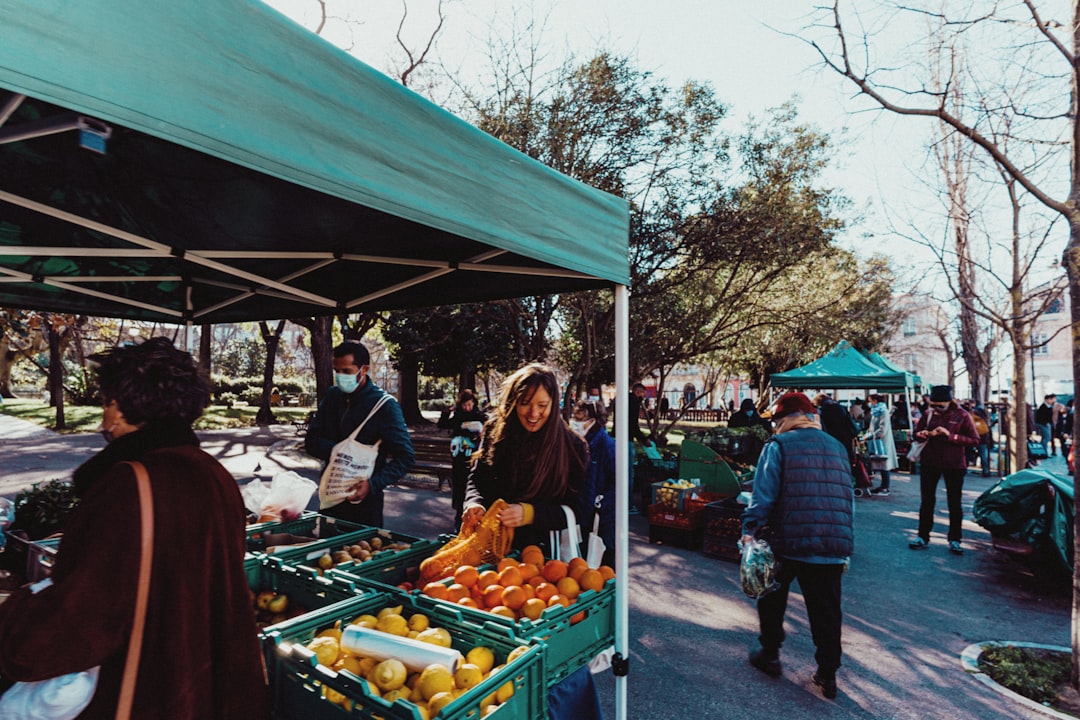
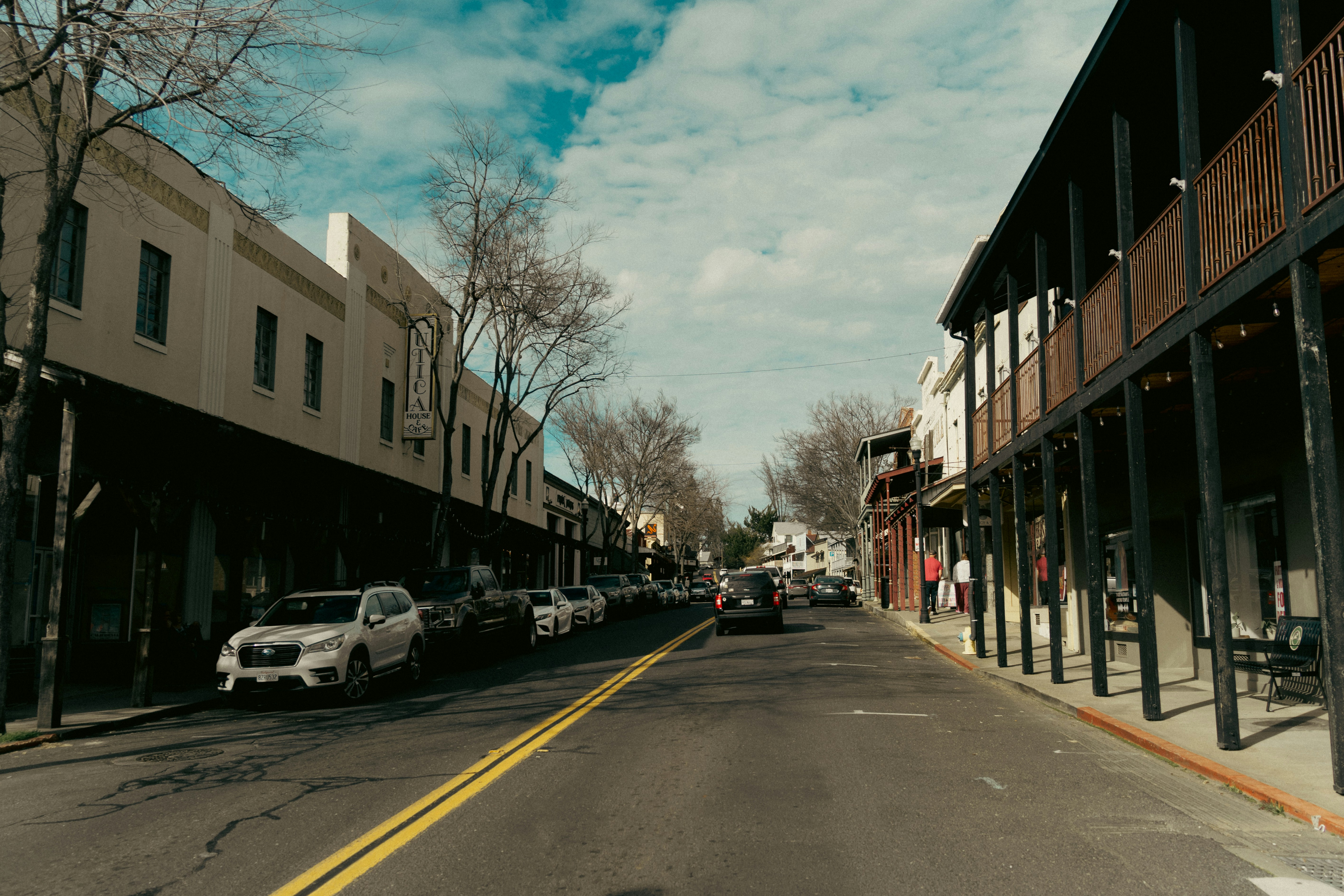
Photo by Remy Gieling on Unsplash
The Elevation Advantage
Highlands holds a particular distinction in WNC: it is among the highest-elevation towns east of the Rockies. The plateau on which it sits tops out above 4,100 feet, and the surrounding terrain rises higher still. The Nantahala National Forest wraps the area, and the Cullasaja Gorge cuts a dramatic path toward Franklin to the northeast.
This geography does more than create spectacular views. It creates a distinctly different climate. While the rest of the Carolinas and Georgia move through July and August with temperatures in the 90s, Highlands averages highs in the low-to-mid 70s. The nights are cool enough for a light jacket throughout the summer. Afternoon thunderstorms roll through predictably, but the mornings are almost always clear and comfortable.
For market-going, that climate is a significant part of the appeal. Shopping outdoors for a few hours on a warm Carolina day sounds pleasant and becomes exhausting once the temperature climbs past 85. In Highlands, that concern simply does not exist. The market feels like something you can linger at. You do not feel the need to rush through before the heat sets in, because the heat never comes.
That comfort changes the experience in ways that are hard to measure but easy to notice. People stay longer, talk more, and make decisions more deliberately. Vendors do not have to watch their produce wilt before noon. The rhythm of the whole morning is different when the thermometer reads 68 degrees and there is a breeze coming off the ridgeline.
For visitors coming from Charlotte, Atlanta, or anywhere in the lowland Southeast, that temperature difference alone is sometimes the deciding factor in making the drive.
The Community It Serves
Highlands is a layered town in the way that most resort communities are. The permanent population is small and has deep roots. The seasonal population is larger, has different expectations, and arrives with different needs. Managing the relationship between those two groups is one of the ongoing challenges of a place built to serve both.
The Saturday Market sits, perhaps more comfortably than any other institution in town, at the center of that relationship. It is useful to the permanent resident who needs eggs and greens and a familiar face after a long work week. It is interesting to the seasonal visitor who wants to feel connected to the place they have chosen for their summer. And it is economically important to the vendors, many of whom are farming or crafting as a primary livelihood in an area where supplemental income options are limited.
Macon County as a whole carries a working-land culture that often gets overshadowed by the resort character of Highlands specifically. The farms in the hollows and coves below town are not primarily supplying restaurants or vacation rentals. They are family operations running on tight margins, and the farmers market channel matters to them. A strong market season can represent a meaningful share of a small farm's annual revenue.
When you hand over cash at a market table in Highlands, you are not just buying a jar of wildflower honey or a flat of strawberries. You are part of what keeps Macon County farmland in agricultural use rather than shifting into the development pipeline. That is a choice with real consequences for what this part of the mountains looks like five and ten years from now.
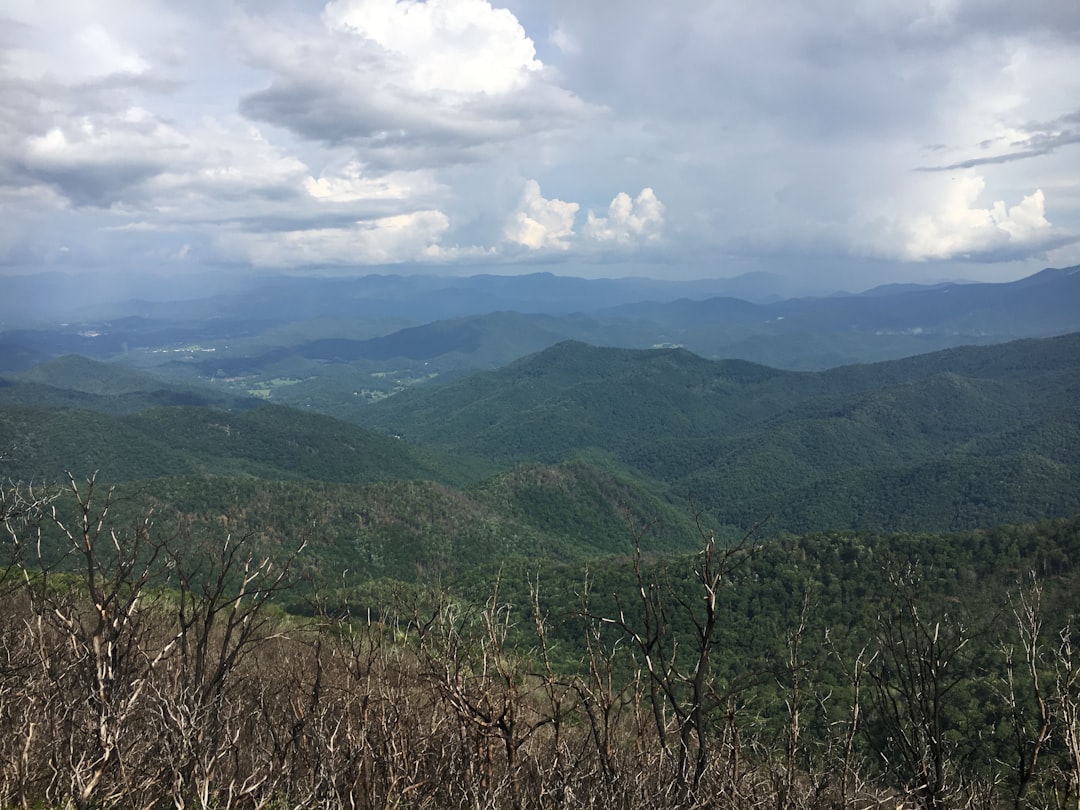
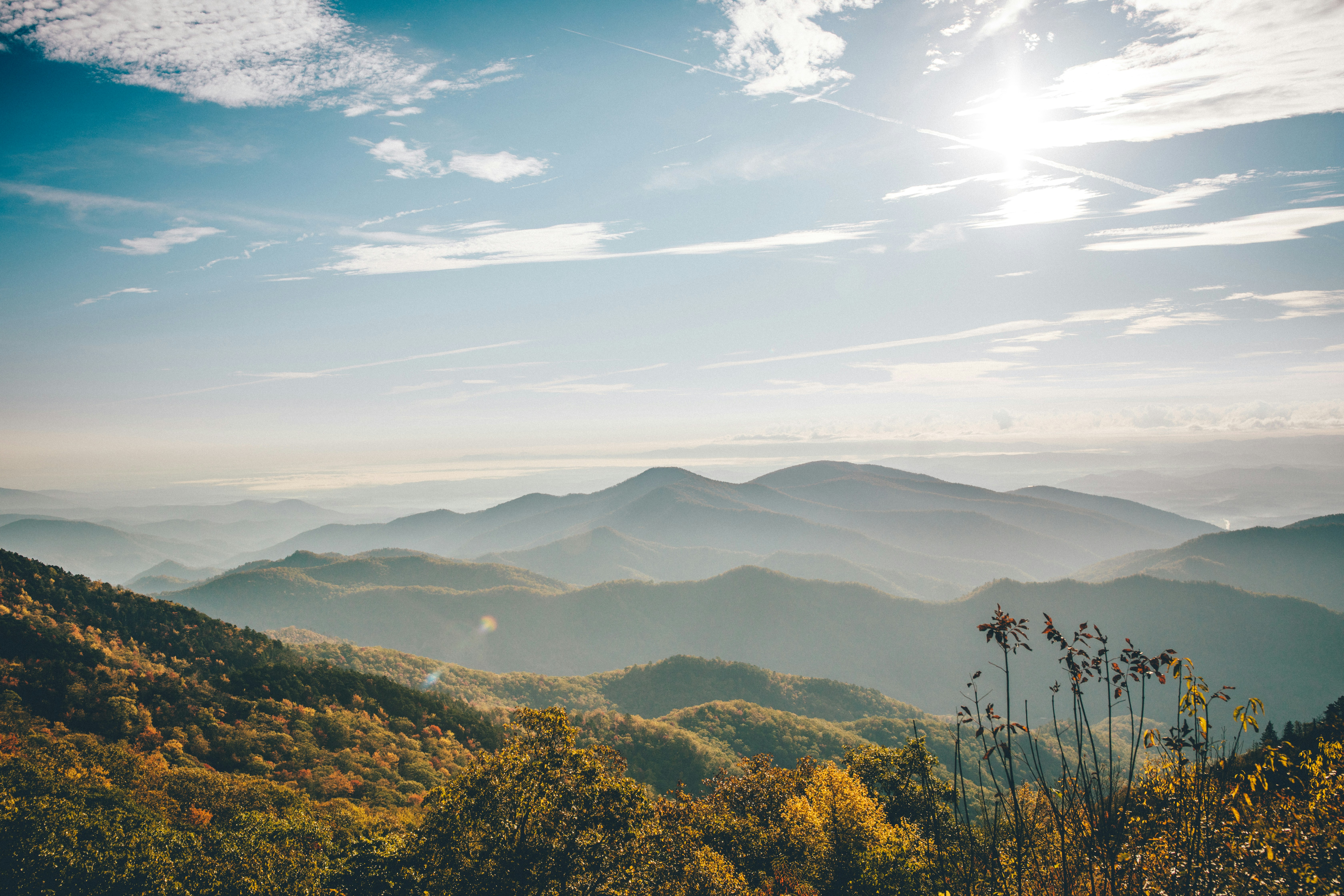
Photo by Noah Chestnutt on Unsplash
A Tradition Rooted in a Larger Movement
North Carolina has invested in its farmers market network more deliberately than most states. The NC Department of Agriculture has supported local markets for decades, and statewide campaigns promoting locally grown products have helped create a recognizable identity that benefits even the smallest market vendors in the most remote corners of the state.
The broader local food movement in WNC gained significant momentum in the 2000s and accelerated after the 2008 recession, when buying local shifted from a values preference to a practical economic strategy for many households. Mountain communities like Highlands, Waynesville, Brevard, and Franklin were not insulated from that economic pressure, and their markets grew in response to it.
Post-COVID, the trend has continued moving in the same direction. Outdoor, local, and small-batch are not niche preferences anymore. They are mainstream. Farmers markets across WNC reported increased attendance and vendor participation in the years following 2020, and tourism-adjacent markets like Highlands benefited particularly. Visitors who had been summering in mountain towns for years came back with a sharper interest in supporting local farmers, local makers, and local institutions.
The Highlands Saturday Market is part of that larger story. It is a small market in a small town, but it is connected to a regional shift that has changed how WNC communities think about food, commerce, and what a Saturday morning is worth.
Planning Your Visit
The Highlands Saturday Market runs seasonally, typically from late spring through early fall. The general window aligns with both the mountain growing season and Highlands' tourism calendar, running roughly from May through October, though exact dates and hours can shift from year to year. Before making the drive, it is worth checking directly with the Highlands Chamber of Commerce or the Town of Highlands for the current season schedule, market hours, and the exact location within downtown.
Getting to Highlands from Franklin takes roughly 30 to 40 minutes via US-64 East. The drive through Cullasaja Gorge earns its own attention, with waterfalls and sheer rock walls lining the road for several miles before the terrain opens up onto the plateau. From Waynesville, the approach from the north on NC-107 through Cashiers offers a different but equally worthwhile route.
Parking in downtown Highlands on a busy summer Saturday requires patience. The town fills during peak weeks, and market days add to the traffic. Arriving early, around 8 or 9 a.m., solves most of the problem. It also means first pick of whatever the best vendors brought that morning, and the bread tables will still be full.
Dress in layers. Even in late June, a morning at 4,100 feet can start with temperatures in the upper 50s. By mid-morning the sun fills in and the temperature climbs to something comfortable, but the shift is noticeable. This is part of the experience and part of the reason people keep coming back.
Give yourself enough time to walk the market unhurried, have a conversation with a vendor, and then spend some time on Main Street before heading back down the mountain. The galleries and restaurants in downtown Highlands are worth the extra hour.
What It Means to the Mountains
There is no shortage of farmers markets in Western North Carolina. Asheville alone has several worth visiting. Waynesville, Franklin, Brevard, Sylva, Murphy, Hayesville, and dozens of other communities run markets of various sizes throughout the growing season. The market infrastructure here is one of the better-developed in the state, and the quality across the region has risen steadily over the past two decades.
What distinguishes the Highlands Saturday Market is its context. The town is unusual. The setting is unusual. The combination of resort-town character, mountain climate, and agricultural hinterland creates a market experience that does not replicate anywhere else in the region.
That combination also tells you something clearer than most things about what makes WNC distinctive as a place to live. The outdoor life here is not a weekend option for people who work somewhere else. It is the background of every day. The local food culture is not a trend borrowed from larger cities to the east. It is a working tradition with roots in the farming families who have been on this land for generations. The community institutions, the churches, the festivals, the Saturday markets, are not entertainment products. They are the actual connective tissue of small mountain towns.
A morning at the Highlands market, followed by a slow walk down Main Street with coffee and something from the bakery table, gives you a more honest picture of life in these mountains than any brochure could.
The kind of community that builds and sustains something like this tends to be the kind of community that people put down roots in.
Ready to Find Your Mountain Home Near Highlands?
Whether you're looking to buy, considering a short-term rental investment, or ready to sell, the Jon Tharp Team brings deep local knowledge and marketing that puts your home in front of 50,000+ buyers in the first 30 days.
Search available homes across Western NC or call Jon directly at (828) 347-9055.
Talk to JonWhat Our Clients Say
43 five-star Google reviews — read them all on Google
"Jon is hands down the most dedicated and knowledgeable realtor that I have ever worked with. His expertise made the entire process of selling my home and finding a new one a smooth process."
Amy Davis · 2025
"Jon & his team are the greatest! Very professional, friendly like your neighbor, and always get back to your texts, phone calls & emails within minutes or same day, not days or weeks."
Cynthia Oelschlager · 2025
"I can’t say enough good things about Jon and his team. I was looking for investment properties and Jon spent time researching where would be a good place for an Airbnb — he found 2 beautiful properties."
Diane Cogswell · 2025
More from the Blog