By Jon Tharp, Broker · June 29, 2026
At a Glance
Matt Canter, a Western Carolina University parks and recreation graduate, owns Brookings Anglers in Cashiers. He started guiding while still in school, took over a struggling shop after the 2008 crisis, and grew it from four guides to 26. Today the business runs a flagship store on Lake Cashiers, the Blue Line Bar, worldwide destination trips, and an online shop, anchoring fly fishing as a year-round economic driver on the plateau.
Matt Canter told his dad when he was eleven that he wanted to be a fishing guide. Most parents file that under childhood dreams. Canter actually did it, and along the way he built one of the busiest fly shops in Western North Carolina into something close to a year-round economic driver for Cashiers.
Brookings Anglers now employs 26 full-time guides. When Canter started there as a kid working his way through college, the shop had four. That growth did not happen because trout suddenly multiplied. It happened because one Western Carolina University graduate decided to stake his career on the water around him and treat a small mountain fly shop like a real business worth building.
The story runs through Cullowhee, the Tuckaseegee River, a near-failure during the 2008 crash, and a flagship store on the shore of Cashiers Lake. It is a good reminder that economic growth in the mountains does not always arrive in a press release. Sometimes it shows up one fly rod at a time.
A Kid From High Point Who Chose Whee for the Water
Canter grew up in High Point, North Carolina, far from any trout stream. He caught his first wild brown trout at age eleven near Boone, and that fish more or less set the course of his life. By the time he was choosing a college, he was not weighing rankings or majors so much as proximity to good fishing.
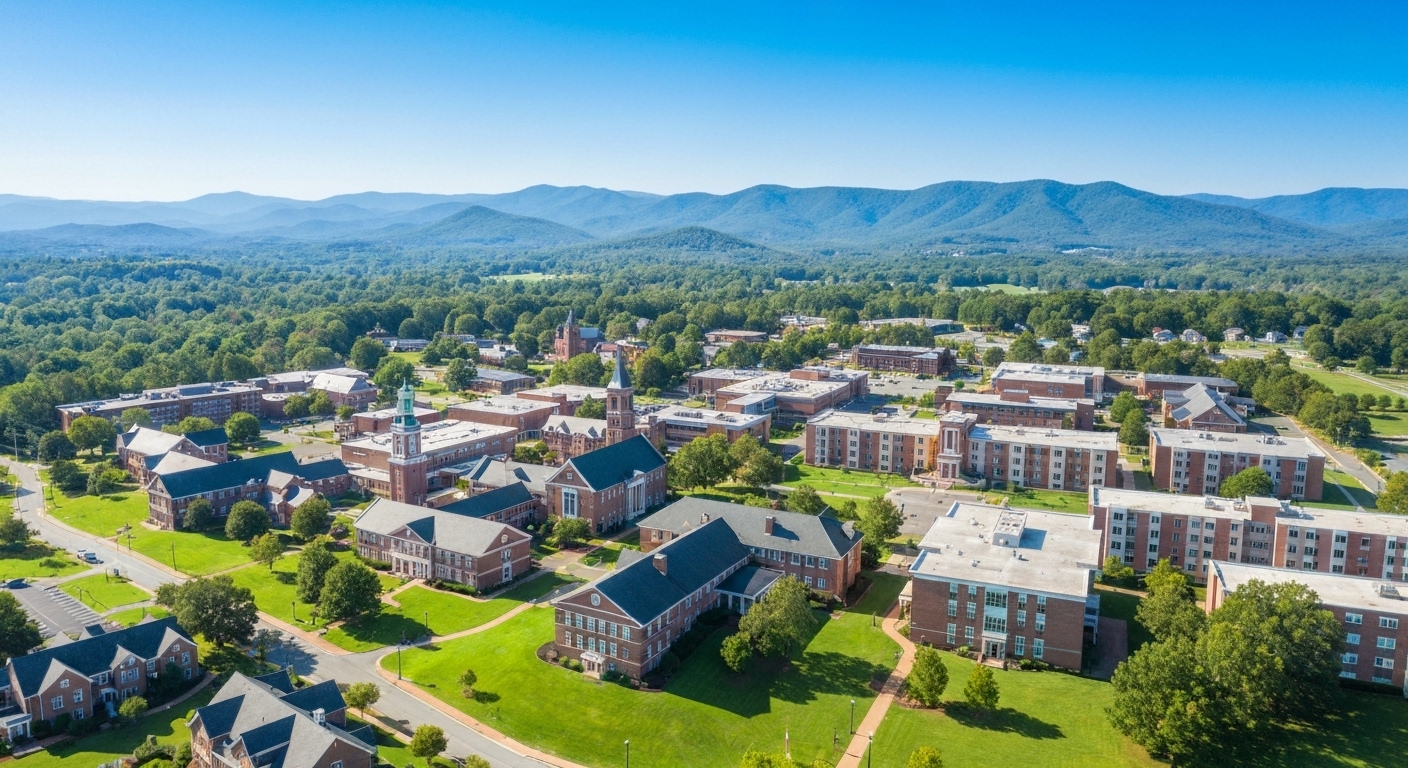
He picked Western Carolina University in 2002, and the deciding factor was literally the Tuckaseegee River running near campus. Canter has said he chose Whee while fly fishing the Tuck. That is the kind of decision that sounds romantic until you realize it actually worked out, both for him and for the local economy he would later help anchor.
At WCU he studied parks and recreation management, a degree that fit a young man who wanted to spend his life outdoors rather than behind a desk. He also met his wife, Natalie, on campus. So Cullowhee gave him a career path and a family, which is more than most people get out of four years of college.
The detail that matters most for what came later is this. Canter did not just attend class and fish on weekends. He started guiding while he was still a student, leading long canoe trips with Boy Scouts in Minnesota and Canada and picking up guiding work closer to home. The business he runs today began as a habit he formed before he graduated.
Turning a Capstone Project Into a Career Plan
There is a moment in this story that any WCU professor would love to claim. As a senior, Canter built early business plans for a fly shop as a capstone project under professor Deborah Singleton. What for most students is a grade became, for Canter, a working blueprint.
That is the part worth pausing on. A lot of college projects end up in a drawer. Canter's ended up employing two dozen people. He took the academic exercise of writing a business plan and carried it directly into the real economy of Jackson County, where it now generates guide wages, retail sales, and tourism dollars every season.
After graduating, he guided for a company based in Cherokee before joining Brookings as a lead guide. The shop at that point was more of a lifestyle store than a serious fly fishing operation. It sold the look of the outdoors more than the experience of it.
Canter saw the difference, and he saw an opportunity. He understood the water around Cashiers and Highlands better than almost anyone, and he understood that the plateau had a customer base willing to pay for expertise. What the shop lacked was someone who could connect those two things and run it like a business rather than a hobby. He set out to become that person.
Saved by a Customer, Then Rebuilt From the Ground Up
The timing could not have been worse. The 2008 financial crisis hit, and Brookings, like a lot of small outdoor businesses, faced the real possibility of closing. The plateau economy leans heavily on second-home owners and seasonal visitors, exactly the people who pull back hardest when markets fall apart.
What saved the shop was a relationship. A customer who had come to know and trust Canter stepped in as a partner to rescue the struggling business. That is a small-town story in the best sense. The shop survived not because of a bailout or a buyer from out of state, but because someone who fished there believed in the guide who ran it.
Canter eventually became majority owner. Over the next five years he transformed Brookings from a lifestyle store into a full-service fly shop, the kind of place that guides, sells gear, and sends anglers around the world. He has been with the company roughly 20 years now, working up from college kid to owner and general manager.
His hiring philosophy says a lot about how he built it. Canter has said he can teach somebody to fish, but he cannot teach personality. So he hires for character first and skill second, which is why his guides tend to stick and why clients come back. In a business built on repeat visitors and word of mouth, that instinct is worth more than any marketing budget.
Four Businesses Under One Roof
Today Brookings Anglers is really four businesses working together, and that structure is the key to its stability. The first is the retail fly shop, fully stocked with gear from Orvis, Simms, and Patagonia for both locals and visitors.
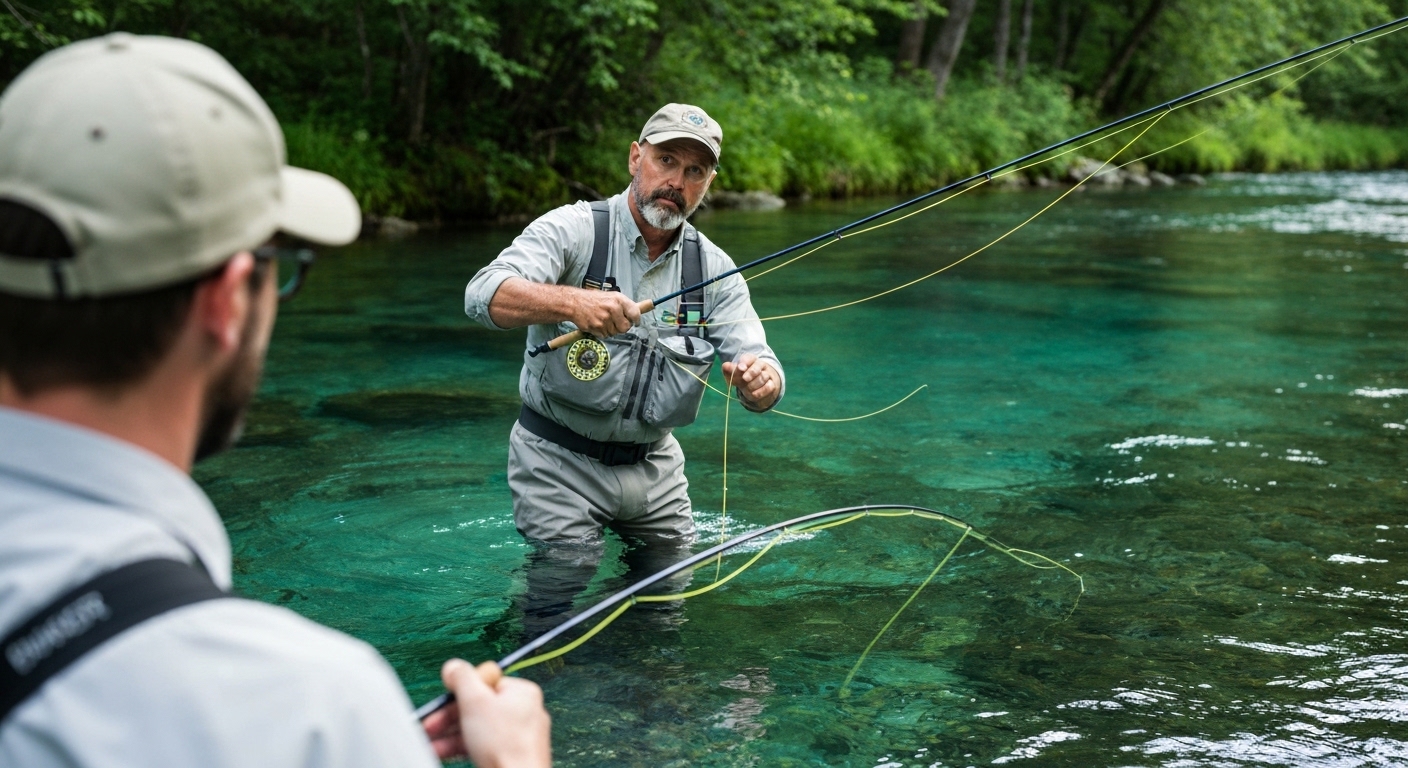
The second is the guided trip business, which is the heart of the operation. Brookings runs trips to 30 different fisheries, all within 30 minutes of the Cashiers store. That density of quality water is rare, and Canter leans on it hard. As he puts it, the local knowledge is unmatched and they take the guesswork out for the angler. You are paying for someone who knows which stream is fishing well that morning.
The third leg is destination travel. Brookings now leads trips to Cuba, Brazil, Argentina, Alaska, the Bahamas, British Columbia, and Montana, running around 15 a year. This part of the business shows just how far the brand has come. Canter has said that early on it was hard to fill a single trip, and now the company does not even advertise them because there is a waiting list.
The fourth is the online store, launched to solve a problem unique to a resort economy. As Canter notes, the customer base is only on the plateau three to four months out of the year. The website keeps revenue moving in the off-season, when Cashiers quiets down and the seasonal homes sit empty. It is a smart answer to the seasonality that limits a lot of mountain businesses.
A Store Built to Be a Destination
Last spring Brookings opened a new flagship store on the shores of Cashiers Lake, replacing the old downtown location. The move was deliberate. Canter wanted the new store to be a destination in its own right, a place worth driving to rather than just a place to buy tippet.
Inside is the Blue Line Bar, a beer and wine spot with a screened porch and patio overlooking the lake. The idea is simple and very mountain. Anglers come off the water, gather on the porch, and swap stories about the day. Canter built it on the belief that when people who love fishing get to know one another locally, everyone benefits, the shop included.
That instinct toward community is part of why the business works on the plateau. Cashiers and Highlands draw a lot of second-home owners who spend only part of the year here, and a gathering spot gives those seasonal residents a reason to feel rooted. A bar with a view of the lake turns a transaction into a place people belong.
The economic ripple is real, even if it is hard to put a single number on it. Twenty-six full-time guide jobs in a community the size of Cashiers is substantial. Add the retail sales, the visitors who book lodging and eat at local restaurants while they fish, and the travelers who first discover the area on a guided trip and later buy property here. Jackson County was ranked second in the nation among micropolitan areas to start a new business, and Brookings is a clear example of why.
Why This Matters Beyond the Riverbank
What makes Canter's story worth telling is not just one successful shop. It is what the shop represents about how the mountains actually grow. The plateau did not need a factory or a corporate campus to build wealth. It needed someone who understood the natural asset already here, the trout water, and knew how to turn it into jobs and a year-round draw.
That is the WNC model at its best. The rivers, the cool high-elevation streams, the long fishing season, and the small-town character that makes people want to linger over a beer on a screened porch. Canter took those things, the same things the rest of us love about living here, and built an economy around them. He now lives in Brevard with Natalie and their two children, still close to the water that started it all.
There is a lesson in there for anyone weighing a move to this part of the state. The mountains reward people who are willing to build something around the landscape rather than in spite of it. The outdoor economy here is not a side attraction. For towns like Cashiers, Highlands, and Cullowhee, it is increasingly the main event.
If you have ever stood in a cold mountain stream and thought you could happily wake up to this every day, you would not be the first person to start quietly looking at what it takes to call these mountains home.
Frequently Asked Questions
Where is Brookings Anglers located and what do they offer?
Brookings Anglers operates its flagship store on the shores of Cashiers Lake in Cashiers, North Carolina, with roots on the Highlands-Cashiers plateau going back more than 35 years. The business runs four connected operations: a full retail fly shop stocked with brands like Orvis, Simms, and Patagonia, a guided trip service reaching 30 fisheries within 30 minutes of the store, a worldwide destination travel business running about 15 trips a year, and an online store. There is also the Blue Line Bar, a beer and wine spot with a screened porch overlooking the lake where anglers gather after a day on the water.
Do you need experience to book a guided fly fishing trip near Cashiers?
No. Brookings guides regularly take out first-timers alongside experienced anglers, and beginners are a normal part of the business. The company employs 26 full-time guides who know the local water intimately, which removes most of the guesswork that makes fly fishing intimidating for newcomers. They can teach casting, reading water, and fly selection during a half-day or full-day trip on public rivers or private access water. The plateau around Cashiers and Highlands holds a high concentration of trout streams within a short drive, so trips are accessible without long travel. Booking ahead is wise during the busy summer months when demand often exceeds available guides.
When is the best time to fly fish around Highlands and Cashiers?
Trout fishing on the Highlands-Cashiers plateau runs essentially year-round, but the heaviest visitor season falls in the warmer months when the seasonal community is in town, roughly late spring through early fall. Spring brings strong hatches and active fish as water warms. Summer offers cooler high-elevation streams that hold trout when lower waters get warm. Fall delivers crisp days and aggressive feeding before winter. Even winter fishing produces on milder days. Because the area's economy leans on a three to four month peak season, Brookings built an online store and destination trips specifically to keep revenue flowing through the quieter months.
How does fly fishing contribute to the local Jackson County economy?
Fly fishing has become a meaningful economic driver in Jackson County and across the plateau, supporting guide jobs, retail sales, lodging, dining, and repeat tourism. A single outfitter like Brookings Anglers employs 26 full-time guides year-round, which is significant in a small mountain community. Beyond direct payroll, anglers who come to fish also book rooms, eat at local restaurants, and often return as second-home buyers. Jackson County was ranked second in the nation among micropolitan areas to start a new business, reflecting the kind of small-firm growth that outdoor recreation businesses represent. Outdoor recreation gives the region an economic identity that does not depend on a single industry.
About the Author
Jon Tharp is a licensed NC real estate broker with Keller Williams. He's helped buyers and sellers across Western North Carolina for over 10 years, specializing in mountain homes, land, and short-term rental investments, with offices throughout WNC covering all mountainous areas. If something in this post has you thinking about a move, he's easy to reach — (828) 347-9055 or smokymountainhomes4sale.com or Jon@jontharphomes.com.
Ready to Find Your Mountain Home Near Cashiers?
Whether you're looking to buy, considering a short-term rental investment, or ready to sell, the Jon Tharp Team brings deep local knowledge and marketing that puts your home in front of 50,000+ buyers in the first 30 days.
Search available homes across Western NC or call Jon directly at (828) 347-9055.
Talk to JonWhat Our Clients Say
43 five-star Google reviews — read them all on Google
"Jon is hands down the most dedicated and knowledgeable realtor that I have ever worked with. His expertise made the entire process of selling my home and finding a new one a smooth process."
Amy Davis · 2025
"Jon & his team are the greatest! Very professional, friendly like your neighbor, and always get back to your texts, phone calls & emails within minutes or same day, not days or weeks."
Cynthia Oelschlager · 2025
"I can’t say enough good things about Jon and his team. I was looking for investment properties and Jon spent time researching where would be a good place for an Airbnb — he found 2 beautiful properties."
Diane Cogswell · 2025
More from the Blog