By Jon Tharp, Broker · June 3, 2026
At a Glance
The Vegan Chef Challenge is coming to Asheville, bringing a competitive plant-based culinary event to one of the American South's most celebrated food cities. Local chefs and restaurants will compete with inventive vegan dishes judged by the public and/or a critic panel. The event spotlights Asheville's long-established plant-based dining culture, supports the independent restaurants at the heart of the city's food identity, and draws food tourism that benefits the broader WNC economy.
Asheville Has Always Known How to Eat
A city that puts this much energy into its restaurant scene does not stumble into a Vegan Chef Challenge. It earns one.
Asheville has spent the better part of two decades building a food reputation that most cities its size never approach. National magazine rankings, James Beard nominations, food and wine festivals that pull visitors from across the country. The accolades have become almost routine at this point. But what keeps the reputation alive isn't the recognition. It's the independent kitchens, the chefs who chose this city specifically because they could do interesting work here, and a dining public that actually responds when someone takes a risk on a menu.
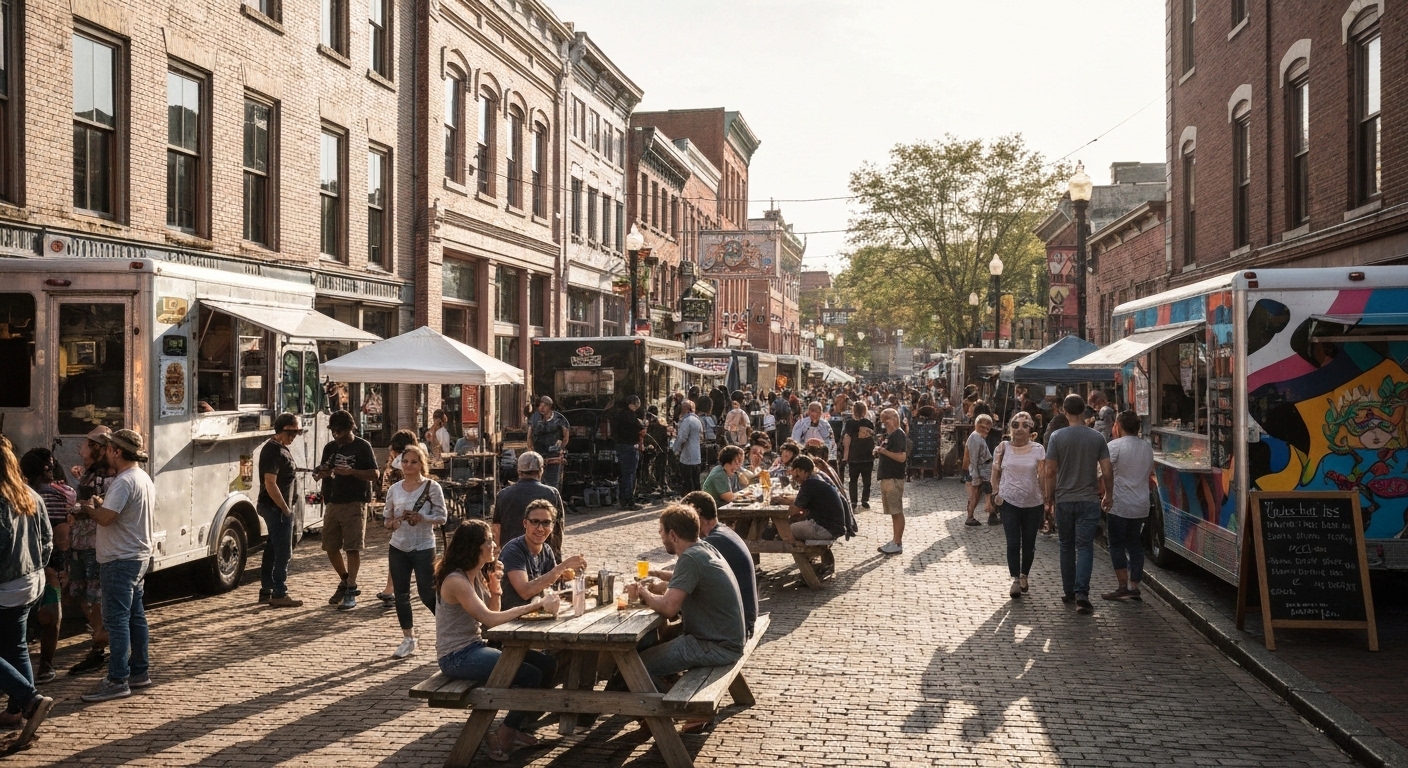
The Vegan Chef Challenge taps directly into that energy. It's a competitive culinary event that brings local restaurants together around plant-based cooking, gives chefs a creative constraint to work within, and invites diners to engage with the results through voting, tasting, and the kind of genuine food conversation that Asheville has been good at generating for a long time. The city is a natural fit.
What the Vegan Chef Challenge Actually Is
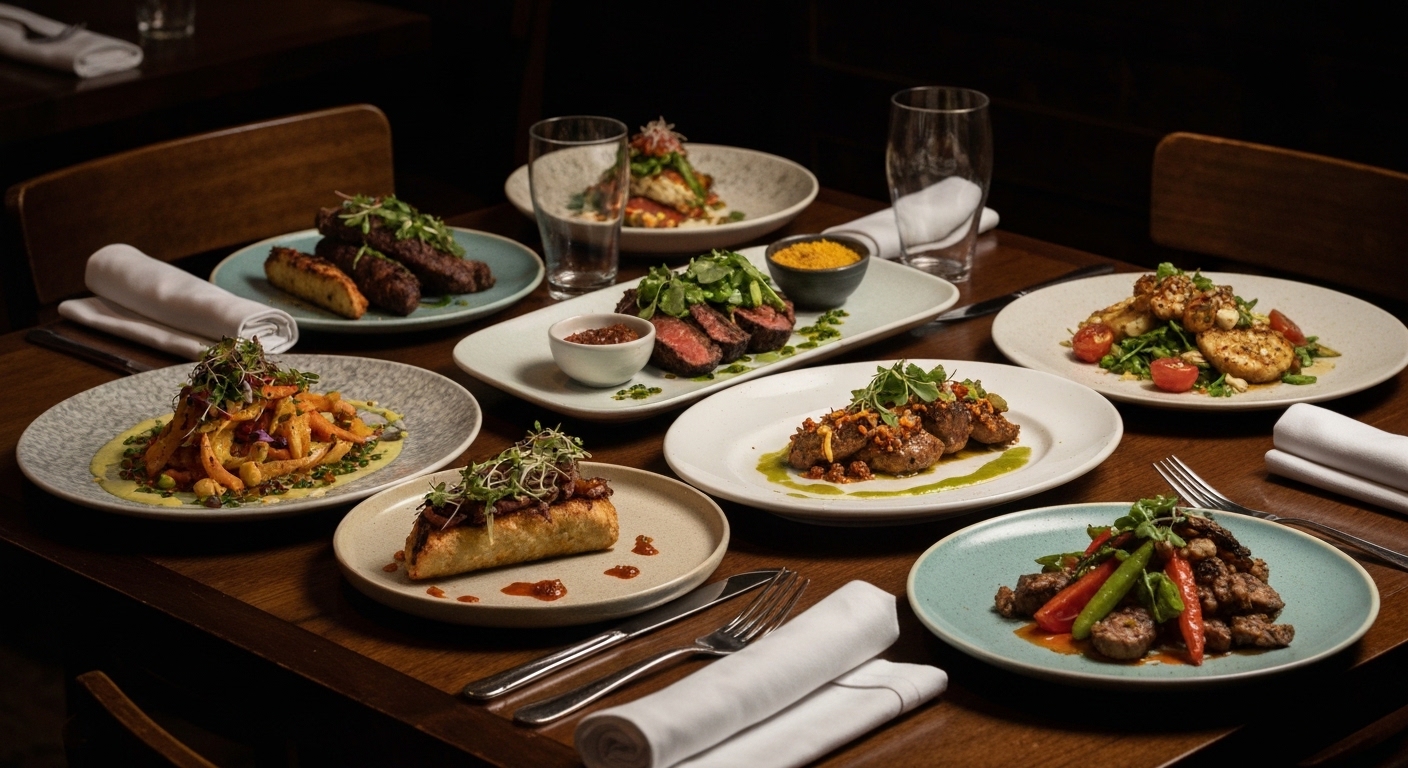
The Vegan Chef Challenge format has traveled to cities across the country as both a competition and a showcase for what plant-based cooking can accomplish when serious chefs take it seriously. The structure typically runs across a defined window of time, from a week to a month depending on the organizer, with participating restaurants offering specially developed vegan dishes alongside their regular menus. Judging varies by event but often combines public voting with a critic panel, making participation from diners a central part of the experience rather than a formality.
The creative premise is straightforward on its surface: cook without any animal products. In practice, that constraint is more demanding than it sounds, and that's what makes it interesting. Removing eggs, dairy, meat, and seafood from the toolkit forces a kitchen to solve flavor, richness, and textural satisfaction through other means. The results tend to be more technically ambitious than everyday menu items, and that ambition is usually visible on the plate.
For diners, the appeal extends well beyond veganism. The whole architecture of these events centers on bringing in people who would not normally seek out a vegan meal and giving them something worth talking about. Participating restaurants regularly report that challenge dishes become some of their most-discussed offerings, generating word of mouth and return visits long after the formal competition wraps. For a city where independent restaurants depend on community engagement and reputation, that kind of visibility matters.
For chefs, it's a chance to work differently than a normal service week allows. The competition creates an incentive to develop something genuinely new, and the dishes that come out of these events tend to reflect that investment in a way that's recognizable when you eat them.
Asheville's Plant-Based Culture Goes Back Further Than the Trend
Long before plant-based eating became a national conversation, Asheville had restaurants built around it. Rosetta's Kitchen fed generations of Ashevillians on vegetarian and vegan-friendly cooking at a time when that still counted as a fringe proposition in the American South. Plant, which operated for years as one of the most celebrated vegan fine-dining restaurants in the country, drew food travelers to Asheville specifically because of what it represented: serious culinary technique applied to an entirely plant-based framework.
Those pioneering spots created something that outlasted their own individual runs. They established an expectation among Asheville diners that vegan and vegetarian options would reflect real kitchen effort rather than serve as an afterthought for the one person at the table who didn't eat meat. Walk into almost any independent restaurant in the city today and you'll find plant-based dishes that carry the same creative investment as everything else on the menu. That is not the norm in most American cities, and it didn't happen by accident.
It grew out of a community that has long treated food as a cultural expression rather than just sustenance, and a dining public willing to reward kitchens that reflect that attitude. Asheville has also attracted, over many years, a significant population of people with health-conscious, environmentally focused, and sustainability-oriented values. Those diners exist in every city, but in Asheville they are present in large enough numbers to support and encourage plant-based cooking in a meaningful way.
The Vegan Chef Challenge arrives in a city that already has the vocabulary for this conversation and doesn't need to be convinced that it's worth having.
The Neighborhoods That Make Asheville Worth Walking
Asheville's restaurant scene spreads across several distinct neighborhoods, each with its own character and its own relationship to the city's food culture. That geography matters for an event like the Vegan Chef Challenge, which typically involves multiple participating venues spread across the city rather than a single location.
Downtown, running through the blocks around Pack Square, carries the highest concentration of restaurants and the most visible foot traffic. It's where you find everything from white-tablecloth cooking to casual lunch spots, and it's the easiest entry point for visitors who are new to the city.
West Asheville, centered on Haywood Road, has a different energy. More eclectic, more neighborhood-scaled, with independent spots that tend to build deep local followings before they ever show up on a travel website. Some of the city's most interesting cooking happens in West Asheville, quietly, without much fanfare. It rewards the visitor who looks past the obvious options.
The River Arts District has expanded steadily from its origins as a studio and gallery space into a genuine dining destination in its own right. The South Slope, long associated primarily with craft brewing, has developed into a serious restaurant corridor as well. The taprooms and the restaurants have become genuinely complementary rather than competing for the same dollar.
What makes this geography work for a multi-venue culinary event is that Asheville is compact. You can move between neighborhoods without it becoming a logistical exercise. The city is walkable in a way that many comparably sized Southern cities are not, and that walkability is part of what makes it function as a food destination. People will try more things, visit more places, and stay longer when moving around doesn't require a car for every block.
Why This Matters Beyond the Menu
Events like the Vegan Chef Challenge carry economic significance that runs considerably deeper than restaurant revenue. Food tourism is one of Buncombe County's most consistent economic drivers, pulling visitors who spend across lodging, retail, and experiences throughout the region. A well-executed culinary event creates a reason to visit that doesn't depend on a season, a festival window, or whether the leaves are turning. It extends the calendar in a way that destination communities actively need.
The plant-based angle also speaks to a specific category of traveler that Asheville is well-positioned to attract. There is a growing segment of food-conscious visitors who seek destinations that align with their values around health, sustainability, and community character. Asheville already draws that audience through its arts scene, its farmers markets, its outdoor access, and its general reputation as a city that takes quality of life seriously. A competitive vegan culinary event fits that profile without requiring any additional selling.
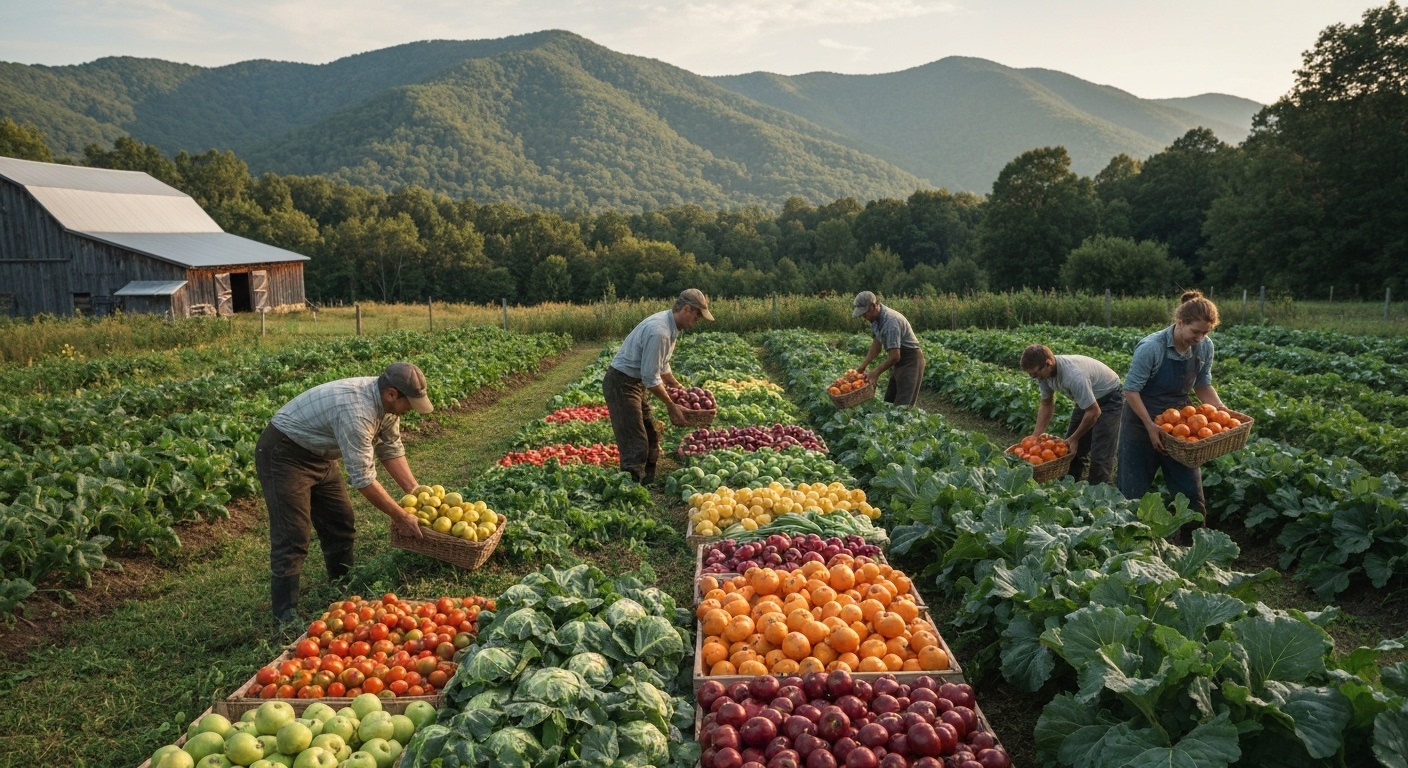
There is also the agricultural dimension, which is easy to overlook but worth naming. Western North Carolina's farming community spans Buncombe, Henderson, Madison, and Haywood counties and supplies a steady stream of produce, herbs, mushrooms, and specialty crops to Asheville's restaurant scene year-round. Plant-based cooking that prioritizes fresh, local ingredients creates direct and meaningful demand for what those farms are already growing. When a chef builds a competition dish around a specific local variety of winter squash or a specialty herb from a farm in Madison County, it creates visibility and demand that benefits the supplier alongside the restaurant. Events that spotlight plant-based cuisine strengthen the connection between Asheville's kitchens and the broader WNC agricultural economy in a way that extends well beyond the event itself.
Independent restaurants are the backbone of what makes Asheville's food scene worth traveling for. They operate on thin margins and depend on community engagement. An event that draws new diners through the door and generates genuine conversation about what a particular kitchen can do is real value for those businesses.
How to Actually Make the Most of It
The practical appeal of a chef challenge event is that it asks something of you as a diner. You're not just ordering from a menu and moving on. You're tasting, forming opinions, comparing notes, and participating in something larger than a single meal. That participation is part of what makes these events worth attending rather than just reading about.
The best approach is to treat it as a curated food tour spread over two or three days rather than a single restaurant visit. Moving between participating venues gives you a genuine basis for comparison and lets you engage with the competition on its own terms. It also gives you a much fuller picture of Asheville's independent restaurant scene than you'd get from any single neighborhood or category of dining.
Bring someone who insists they'd never enjoy a vegan meal. That's precisely the kind of test these events are built for, and they tend to pass it. The dishes that make it into competition entries are not everyday menu items. They represent what a kitchen is willing to put forward when the stakes are visible.
Checking official event listings for participating restaurants and specific dish offerings before you go is the right first step. Reservations at popular spots during these events fill up, particularly on weekends. Local food media and the Visit Asheville platform typically maintain reliable updated information on culinary events happening across Buncombe County. A little advance planning separates a good trip from a great one.
If you're building a full itinerary around the event, two to three days is enough to eat well, walk the neighborhoods, and still make time for a trail or a stop at a South Slope taproom. Asheville rewards the unhurried visit in a way that rushing through it never quite captures.
The Bigger Shift Happening Across the Mountains
What the Vegan Chef Challenge reflects, at a scale larger than any single event, is a genuine evolution in how Western North Carolina thinks about food. This has always been a region with deep agricultural roots and a strong connection to the land. Traditional Appalachian foodways are part of the cultural fabric, and that tradition deserves its own documentation and respect. But food cultures are never static, and WNC's has been changing in ways that are worth paying attention to.
The sustained influx of people who have moved to the mountains over the past fifteen years, drawn by the landscape, the quality of life, and the cost of living relative to larger metros, has brought new culinary sensibilities into communities across the region. Asheville has been the most visible expression of that shift, but the influence moves outward. Plant-based options, farm-to-table sourcing, and chef-driven independent restaurants have spread into smaller communities throughout the mountains. Waynesville, Sylva, Brevard, and Franklin have all seen their own versions of this evolution, with new restaurant openings and farmers markets that reflect the same changing sensibility.
This isn't a story about Asheville becoming something foreign to its roots. It's a story about a region with a strong food culture expanding what that means and who it serves. The Vegan Chef Challenge is one more data point in a trajectory that has been building for years, and it reinforces something that people who follow the WNC food scene have been watching for a while: this region is becoming one of the more interesting places to eat in the country, and the best parts of that story are still being written.
People who already live here know this. People who are still deciding whether WNC could be the right place for them should probably eat their way through a few of these events before making up their minds. The food alone is a decent argument for the mountains, and it just keeps getting better. If you've been watching what's happening here from a distance and wondering what it might feel like to actually be part of it, the answer is that it tastes pretty good.
Frequently Asked Questions
What is the Vegan Chef Challenge and how does it work?
The Vegan Chef Challenge is a competitive culinary event format that brings together local restaurants and chefs to create and serve specially crafted vegan dishes over a set period, typically a week to a full month. Participants compete for recognition through public voting, a critic panel, or both, depending on the organizing body. The goal is to push chefs to work creatively within the constraints of entirely plant-based cooking while inviting a broad audience, including diners who would not normally seek out vegan food, to try the results. Dishes created for the competition often become some of the most talked-about offerings on a restaurant's menu long after the event ends.
Why is Asheville a good city for a vegan food competition?
Asheville has one of the strongest plant-based dining cultures in the American South, built over decades through pioneering restaurants that made vegan and vegetarian cooking a serious culinary proposition rather than a niche offering. The city's independent restaurant scene is dense, talented, and deeply engaged with local sourcing, which aligns naturally with the philosophy behind plant-based cooking. Asheville also draws a large and food-literate visitor base that actively seeks out culinary events. The combination of skilled chefs, an adventurous dining public, and a tourism infrastructure built around food experiences makes it one of the more logical settings for this kind of event in the Southeast.
Which Asheville neighborhoods have the best restaurant scenes to explore?
Downtown Asheville, anchored by Pack Square and the surrounding blocks, has the highest concentration of restaurants and is the most walkable dining district in the city. West Asheville along Haywood Road offers a more neighborhood-scale, eclectic mix of independent spots with loyal local followings. The River Arts District has grown into a genuine dining destination alongside its gallery and studio presence. The South Slope is the craft brewery corridor but has developed into a serious restaurant hub as well. Each neighborhood has a distinct personality, and a multi-day visit that covers more than one of them gives a much fuller picture of where Asheville's food culture actually lives.
Is Asheville's vegan and plant-based food scene worth visiting for non-vegans?
It is, and that is largely the point. Asheville's better plant-based restaurants have spent years cooking for omnivores as much as committed vegans, which means the food is built to satisfy rather than persuade. Competitive events like the Vegan Chef Challenge are specifically designed to put the most technically ambitious and creative plant-based dishes in front of skeptical diners. The constraint of working without animal products pushes chefs toward more inventive approaches to texture, flavor, and presentation. Many diners who attend these events without any particular investment in veganism end up with a different relationship to plant-based food by the time they leave.
How does the Vegan Chef Challenge benefit local farms and WNC's agricultural economy?
Western North Carolina has a substantial farming community spread across Buncombe, Henderson, Madison, and Haywood counties, with farms supplying produce, herbs, mushrooms, and specialty crops to Asheville restaurants year-round. Plant-based cooking that emphasizes fresh, local ingredients creates direct demand for what those farms are already growing. Culinary events that spotlight vegetable-forward and plant-based cuisine effectively function as marketing for local agriculture by creating visibility and demand for ingredients that might otherwise go unnoticed on a conventional menu. When a chef builds a competition dish around a specific local variety of a vegetable or a specialty herb, it draws attention to the supplier and strengthens the connection between Asheville's restaurant community and the farms that feed it.
About the Author
Jon Tharp is a licensed NC real estate broker with Keller Williams. He's helped buyers and sellers across Western North Carolina for over 10 years, specializing in mountain homes, land, and short-term rental investments, with offices throughout WNC covering all mountainous areas. If something in this post has you thinking about a move, he's easy to reach — (828) 347-9055 or smokymountainhomes4sale.com or Jon@jontharphomes.com.
Ready to Find Your Mountain Home Near Asheville?
Whether you're looking to buy, considering a short-term rental investment, or ready to sell, the Jon Tharp Team brings deep local knowledge and marketing that puts your home in front of 50,000+ buyers in the first 30 days.
Search available homes across Western NC or call Jon directly at (828) 347-9055.
Talk to JonWhat Our Clients Say
43 five-star Google reviews — read them all on Google
"Jon is hands down the most dedicated and knowledgeable realtor that I have ever worked with. His expertise made the entire process of selling my home and finding a new one a smooth process."
Amy Davis · 2025
"Jon & his team are the greatest! Very professional, friendly like your neighbor, and always get back to your texts, phone calls & emails within minutes or same day, not days or weeks."
Cynthia Oelschlager · 2025
"I can’t say enough good things about Jon and his team. I was looking for investment properties and Jon spent time researching where would be a good place for an Airbnb — he found 2 beautiful properties."
Diane Cogswell · 2025
More from the Blog