By Jon Tharp, Broker · July 6, 2026
At a Glance
River cane, a native Appalachian bamboo, resisted Helene's floodwaters by laying flat and springing back while its dense roots held the soil. RiverLink is restoring it across the French Broad watershed through Creek Week, July 6-11, with a volunteer planting event at Azalea Park in Asheville on July 11 from 10 a.m. to noon.
The plant that held Asheville's riverbanks together during Helene was not a seawall or an engineered barrier. It was river cane, a native Appalachian bamboo that bends flat under floodwater and then stands right back up, and a local nonprofit now wants a lot more of it along our rivers.
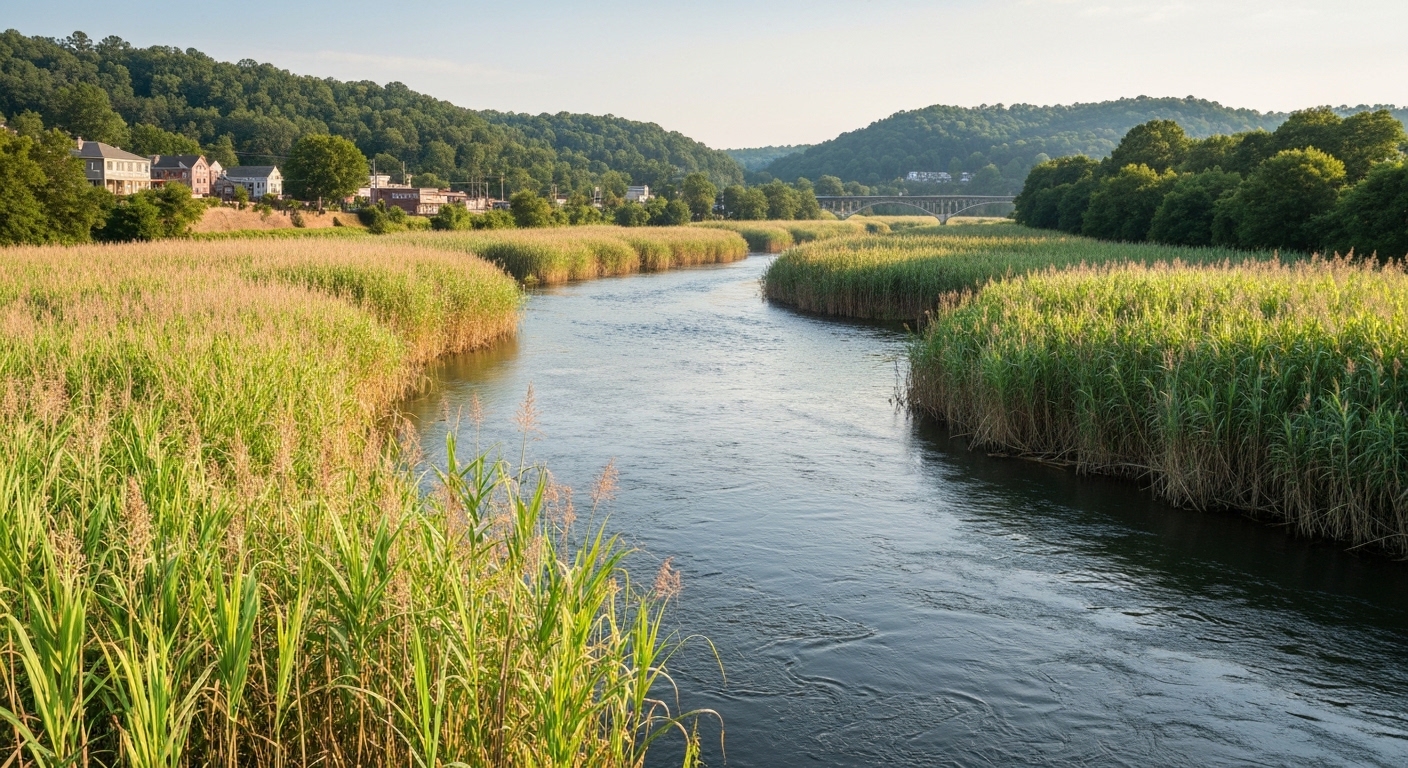
RiverLink, the Buncombe County group that has worked on French Broad River health for decades, is rallying volunteers around restoring river cane after watching how well it survived the storm. Azalea Park, where the first big volunteer push happens, sits along the Swannanoa River just off I-240 in east Asheville, a few minutes from downtown and an easy drive from Black Mountain or Weaverville.
"Since Helene, people have really noticed how well it did," said Hannah Coats, RiverLink's land resources manager. "It just kind of lays over in the floodwater, stands right back up and holds everything together."
What makes river cane so good at fighting floods?
The answer is underground. River cane grows in dense stands with thick, interlocking root systems that grip soil and hold streambanks in place. When water rises, the land stays put and the flood passes over it instead of carving it away.
RiverLink said the difference showed up clearly after Helene. Spots where river cane was growing tended to hold, while some places without it saw serious erosion and damage. In a region where so many homes, roads, and businesses sit close to the water, that kind of natural armor is worth paying attention to.
"It would have really helped hold everything together and would've allowed the floodwaters to just kind of wash over the land as opposed to wash it away," Coats said.
Why is there so little river cane left?
More than 95% of the historic river cane habitat across the Southeast is gone. The old canebrakes that once lined Appalachian rivers were cleared for farming, development, and grazing over the past two centuries, and invasive plants have crowded out much of what remained.
That loss is bigger than one species. River cane is one of the most culturally important plants to the Eastern Band of Cherokee Indians, used for generations in basket weaving, blowguns, mats, and building. Cherokee basket makers still search hard for healthy stands today. Restoring river cane along the French Broad brings back both a flood buffer and a piece of the region's heritage.
What is Creek Week and how can locals get involved?
Creek Week is RiverLink's first week-long celebration of local waterways, running July 6 through 11. It folds conservation, advocacy, and stewardship into a lineup built to get people outside and hands-on, not just informed.
The schedule includes creek and river cleanups, live music, educational hikes, paddle trips exploring local ecology, a children's field day by the lake, and an artist-led river cane art and conservation event. More than 10 community partners are taking part, including environmental groups, local governments, and educational organizations across the French Broad watershed.
"It's also about getting people back outside, getting people engaged and letting people actually do hands-on work themselves and make that connection to the environment and to Appalachia," said Chloe Green, RiverLink's watershed coordinator.
The river cane project itself happens Saturday, July 11 from 10 a.m. to noon at Azalea Park, where volunteers will pull the invasive plants choking out young cane along the Swannanoa. No experience needed, just a willingness to get your hands dirty for a couple of hours.
What does this mean for people who live near the water?
If Helene taught Western North Carolina anything, it is that the land near our rivers behaves differently than we sometimes assume. A vegetated, stable bank is not a small detail. It is part of what keeps a property, a road, or a whole neighborhood intact when the water comes up.
That is why restoration work like this matters beyond one Saturday morning. Building back more native buffers along the French Broad and Swannanoa is a slow, community-scale project, and it pays off for years.
If Helene has you thinking harder about how land near the water holds up here, and what that means for buying or owning in the mountains, Jon Tharp is always glad to talk it through.
Frequently Asked Questions
What is river cane and why does it matter in Western North Carolina?
River cane is a native bamboo species that once formed dense stands, called canebrakes, along rivers and streams across the Southeast. In Western North Carolina, it grows along the French Broad and Swannanoa watersheds and plays a real role in flood resilience. Its thick, interlocking root systems bind soil and stabilize banks, so floodwater passes over the land rather than washing it away. More than 95% of historic river cane habitat has disappeared regionally. It also carries deep cultural weight for the Eastern Band of Cherokee Indians, who have used it for basketry, weapons, and construction for generations.
How did river cane perform during Hurricane Helene's flooding?
RiverLink staff observed that areas where river cane was growing tended to fare better during Helene's flooding, while some locations without it saw more severe erosion and damage. Land resources manager Hannah Coats described how the plant lays over in floodwater, stands back up, and holds everything together. The dense roots stabilize streambanks and let floodwater wash over the landscape instead of stripping it away. That resilience is why RiverLink is now organizing volunteers to restore more of it across the French Broad River watershed as part of a longer-term flood strategy.
How can I volunteer for RiverLink's Creek Week river cane project?
RiverLink's river cane volunteer event runs Saturday, July 11 from 10 a.m. to noon at Azalea Park in Asheville, along the Swannanoa River. Volunteers will remove invasive plants that compete with young river cane and keep it from thriving. It is part of Creek Week, RiverLink's first week-long celebration of local waterways running July 6-11, which also includes creek cleanups, live music, educational hikes, paddle trips, a children's field day, and a river cane art event. More than 10 community partners are taking part across the watershed.
Does flood resilience affect riverfront property values in the Asheville area?
After Helene, buyers and current owners are paying closer attention to how land behaves in a flood, and that includes what grows along the water's edge. Riverfront and creekside parcels remain among the most desirable in Western North Carolina, but stable, vegetated banks with native plants like river cane can matter for both safety and long-term value. Restoration work across the French Broad watershed may help protect these properties over time. Anyone considering land near water should look at bank condition, flood history, and vegetation as part of due diligence.
About the Author
Jon Tharp is a licensed NC real estate broker with Keller Williams. He's helped buyers and sellers across Western North Carolina for over 10 years, specializing in mountain homes, land, and short-term rental investments, with offices throughout WNC covering all mountainous areas. If something in this post has you thinking about a move, he's easy to reach — (828) 347-9055 or smokymountainhomes4sale.com or Jon@jontharphomes.com.
Ready to Make Western NC Your Home Base?
Whether you're looking to buy, considering a short-term rental investment, or ready to sell, the Jon Tharp Team brings deep local knowledge and marketing that puts your home in front of 50,000+ buyers in the first 30 days.
Search available homes across Western NC or call Jon directly at (828) 347-9055.
Talk to JonWhat Our Clients Say
43 five-star Google reviews — read them all on Google
"Jon is hands down the most dedicated and knowledgeable realtor that I have ever worked with. His expertise made the entire process of selling my home and finding a new one a smooth process."
Amy Davis · 2025
"Jon & his team are the greatest! Very professional, friendly like your neighbor, and always get back to your texts, phone calls & emails within minutes or same day, not days or weeks."
Cynthia Oelschlager · 2025
"I can’t say enough good things about Jon and his team. I was looking for investment properties and Jon spent time researching where would be a good place for an Airbnb — he found 2 beautiful properties."
Diane Cogswell · 2025
More from the Blog