Photo by Audri Van Gores (@audrivangores) on Unsplash
By Jon Tharp, Broker · May 24, 2026
At a Glance
Rivercane (Arundinaria gigantea), the only bamboo native to North America, once lined nearly every river and creek bottom in Western North Carolina before agriculture and development cleared most of it away. Restoration efforts led by the Eastern Band of Cherokee Indians and conservation groups are reestablishing canebrakes across the region for erosion control, carbon sequestration, water filtration, and the revival of centuries-old Cherokee basket-weaving traditions.
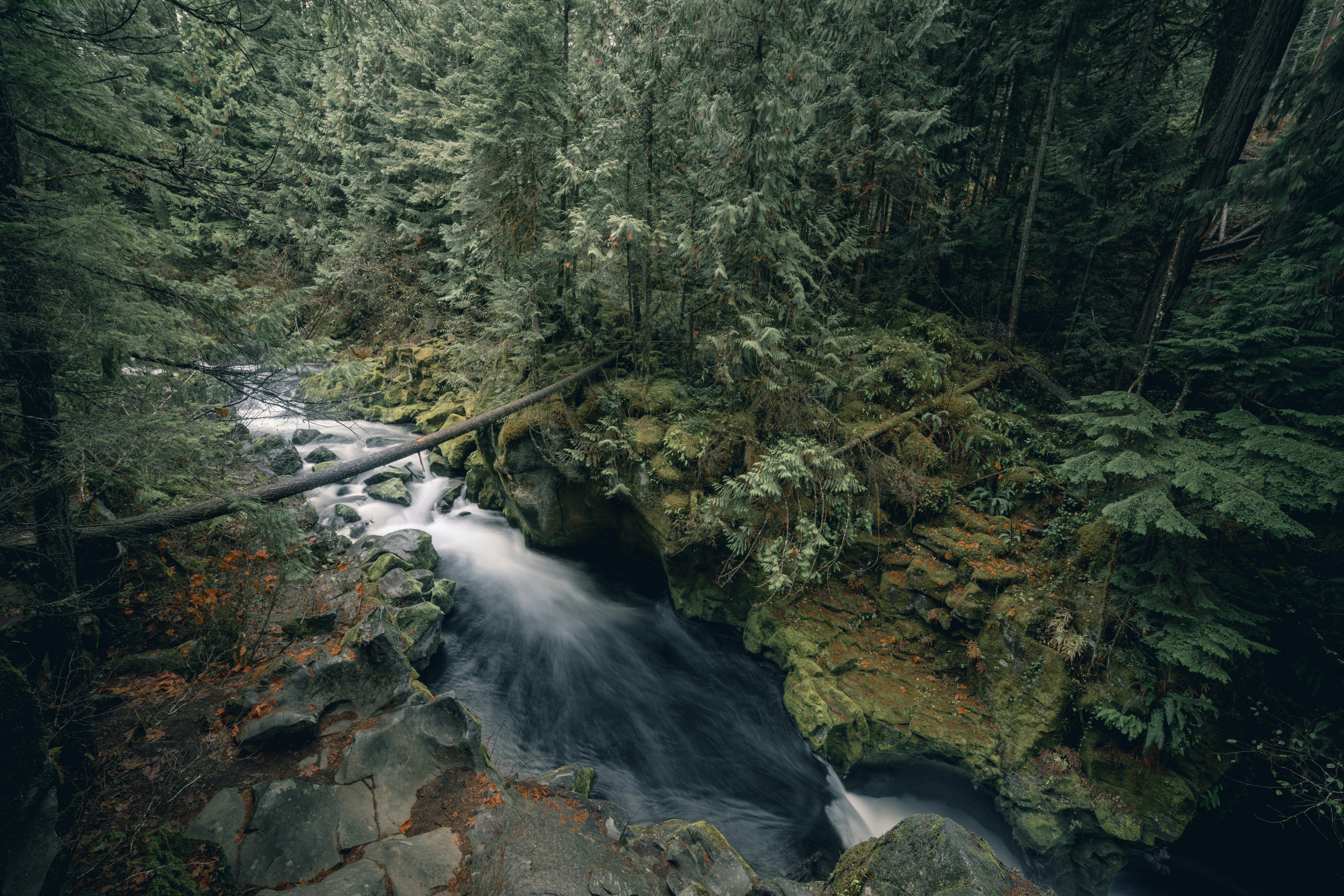
Something that grew along these river valleys for thousands of years before any road or farmhouse existed in these mountains is starting to come back. Rivercane, a native bamboo-like grass that once lined the banks of the Tuckasegee, the Little Tennessee, the Nantahala, and nearly every creek threading through Western North Carolina, is being deliberately restored across the region as a climate buffer, a flood-resilience tool, and a living resource for the Eastern Band of Cherokee Indians.
It is one of the quieter restoration stories in WNC right now. It is also one of the more meaningful ones.
At its height, rivercane (Arundinaria gigantea) formed dense stands called canebrakes across millions of acres of the eastern United States. In WNC, those stands were central to Cherokee life. The plant provided raw material for baskets, fish traps, blowguns, tools, and housing. The canebrakes offered cover for game, cooled and filtered the streams running through them, and held the soft alluvial banks of mountain rivers that would otherwise cut and migrate with every heavy flood. The landscape that settlers encountered here was not a landscape without rivercane. It was defined by it.
Agriculture, livestock grazing, logging, and development changed that over roughly two centuries. Cane requires periodic disturbance, including fire, to spread effectively, and decades of fire suppression through the 20th century accelerated the loss. Estimates put the reduction in original canebrake coverage across the Southeast at around 98 percent by the late 20th century. What had been continuous green corridors along WNC waterways became pasture, gravel bars, or bare eroding banks.
Restoration work underway in WNC is starting to reverse that loss, slowly. The Rivercane Restoration Alliance and the Eastern Band of Cherokee Indians have established new plantings in Swain, Jackson, and Cherokee counties, working with landowners, agencies, and tribal lands to get cane back in the ground from locally sourced material. Invasive species are cleared first. Prescribed fire is used in some areas to prepare the ground. The cane spreads from there through rhizomes, building root mass and canopy over years, not months.
For EBCI basket weavers, the restoration is not primarily about carbon or climate data. It is about a material tradition that has survived for centuries under serious pressure, and that requires healthy, locally grown cane to continue. Decades of scarcity made that harder. New canebrake stands close to Cherokee communities make that easier for a craft that is among the most distinctive art forms in Appalachian history.
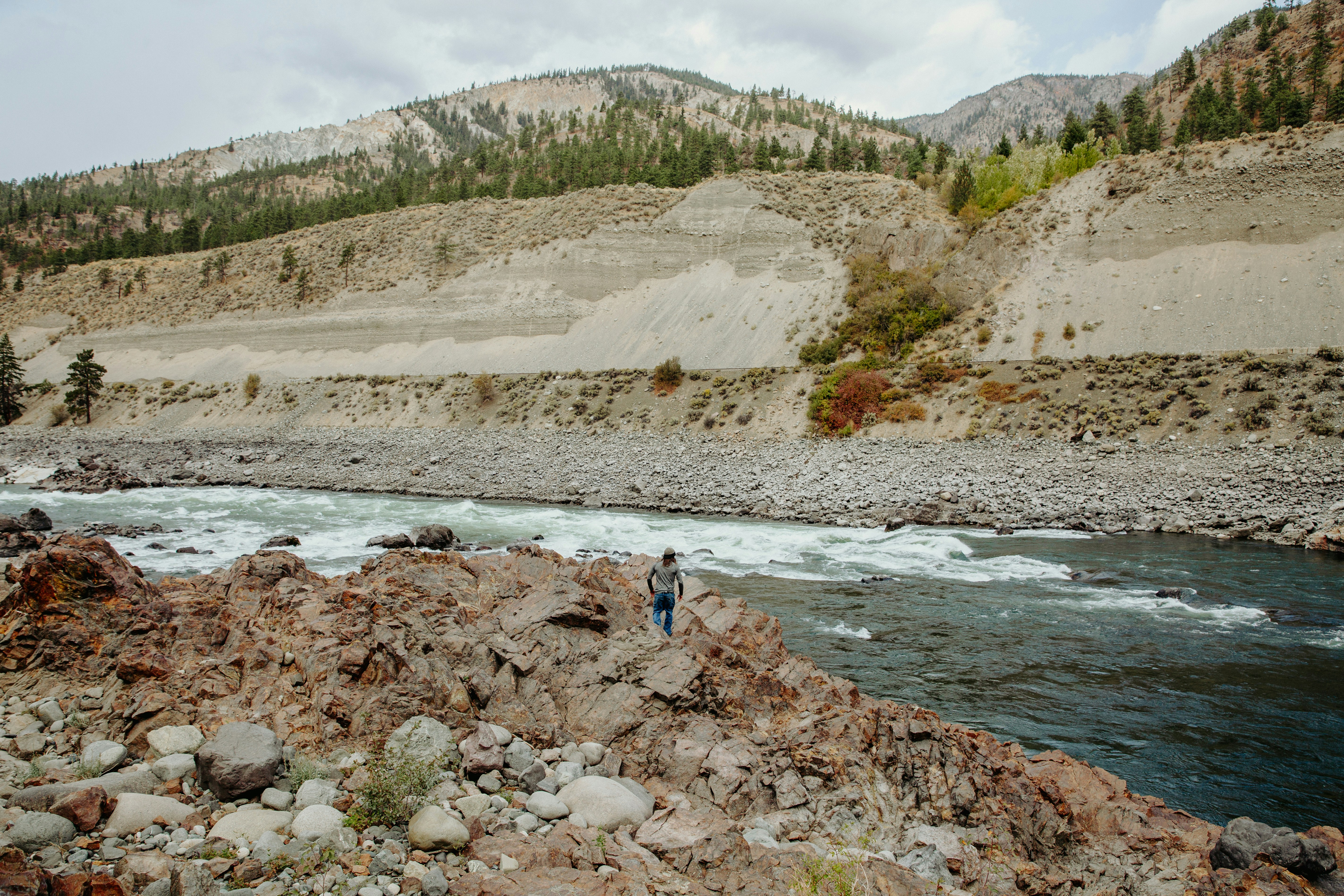
The climate case has gotten sharper since Hurricane Helene moved through WNC in September 2024. The flooding that tore through Buncombe, Haywood, Swain, and dozens of other communities made visible what erosion and bank instability look like at scale. Rivercane's deep rhizome structure holds streambank soil during high water with the kind of grip that bare or grassed banks cannot match. Dense canebrake canopy slows surface runoff, intercepts sediment, and filters the water moving toward streams. Ecologists who study nature-based climate adaptation have pointed to rivercane as one of the most practical tools available in the Southern Appalachians, precisely because it evolved here and does this work without maintenance once it is established.
None of it is fast. Meaningful canebrake restoration at landscape scale will take generations. But plants are in the ground in more places than they have been in a long time, and the interest from landowners, tribal partners, and conservation groups is growing.
For people who own land along WNC's rivers and creeks, or who are thinking about buying some, this kind of story is worth paying attention to. If that sounds like where you want to be, Jon Tharp is happy to talk about what's available and what life along these rivers and ridges actually looks like.
Frequently Asked Questions
What is rivercane and why is it significant in Western North Carolina?
Rivercane (Arundinaria gigantea) is the only bamboo species native to North America and was once the dominant plant along river and creek corridors throughout the Southeast, including WNC. Dense stands called canebrakes covered millions of acres before European settlement. The plant is deeply tied to Cherokee culture, where it has been used for centuries to make baskets, tools, fishing implements, and building materials. Ecologically, it filters runoff, provides dense wildlife cover, sequesters carbon in its root mass, and stabilizes the eroding banks of mountain streams.
Why did rivercane disappear from WNC rivers and streams?
Rivercane was cleared from WNC's river bottoms through a combination of agricultural conversion, livestock grazing, logging, and development over roughly two centuries. It also requires periodic disturbance, including fire, to spread and thrive, and decades of fire suppression across the 20th century further limited natural regeneration. By the late 20th century, original canebrake coverage across the Southeast had been reduced by an estimated 98 percent. What had been continuous stands along WNC waterways were largely replaced by pasture, row crops, gravel bars, or bare eroding banks.
How is rivercane being restored in Western North Carolina?
Restoration work in WNC involves replanting from locally sourced cane, removal of competing invasive species, and in some cases prescribed fire to open the conditions where rivercane spreads best. The Eastern Band of Cherokee Indians has been a central partner in these efforts, both for ecological goals and to rebuild a living cane supply for traditional Cherokee basket weavers who struggled for decades to find quality local material. Organizations including the Rivercane Restoration Alliance have worked with landowners and agencies to establish new plantings along creek and river corridors throughout Swain, Jackson, and Cherokee counties.
What role does rivercane play in flood resilience after Hurricane Helene?
After Hurricane Helene caused catastrophic flooding across WNC in September 2024, the relationship between land cover and flood damage became impossible to ignore. Rivercane's deep rhizome root system holds streambank soil in place during high water, reducing the bank collapse and sediment loading that worsened flood destruction in many communities. Dense canebrake canopy also intercepts and slows surface runoff before it reaches waterways. Researchers studying nature-based climate solutions have identified rivercane restoration as one of the most practical and locally adapted erosion-control tools available in the Southern Appalachians.
Can private landowners in WNC plant or restore rivercane on their property?
Yes. Rivercane is well-suited to riparian areas on private land, including parcels bordering creeks, rivers, and drainage corridors. Landowners interested in establishing canebrakes can often access technical assistance through the USDA Natural Resources Conservation Service or local soil and water conservation districts. The Eastern Band of Cherokee Indians and several conservation nonprofits also work with willing private landowners on restoration planting. Once established, rivercane spreads through rhizomes and can form meaningful stands within a few years under the right site conditions, making it a low-maintenance long-term investment in bank stability.
Ready to Make Western NC Your Home Base?
Whether you're looking to buy, considering a short-term rental investment, or ready to sell, the Jon Tharp Team brings deep local knowledge and marketing that puts your home in front of 50,000+ buyers in the first 30 days.
Search available homes across Western NC or call Jon directly at (828) 347-9055.
Talk to JonWhat Our Clients Say
43 five-star Google reviews — read them all on Google
"Jon is hands down the most dedicated and knowledgeable realtor that I have ever worked with. His expertise made the entire process of selling my home and finding a new one a smooth process."
Amy Davis · 2025
"Jon & his team are the greatest! Very professional, friendly like your neighbor, and always get back to your texts, phone calls & emails within minutes or same day, not days or weeks."
Cynthia Oelschlager · 2025
"I can’t say enough good things about Jon and his team. I was looking for investment properties and Jon spent time researching where would be a good place for an Airbnb — he found 2 beautiful properties."
Diane Cogswell · 2025
More from the Blog